Pilot Episode - A Sitcom Horror Game
How Does Popular Media Shape Our Memory of the Past?

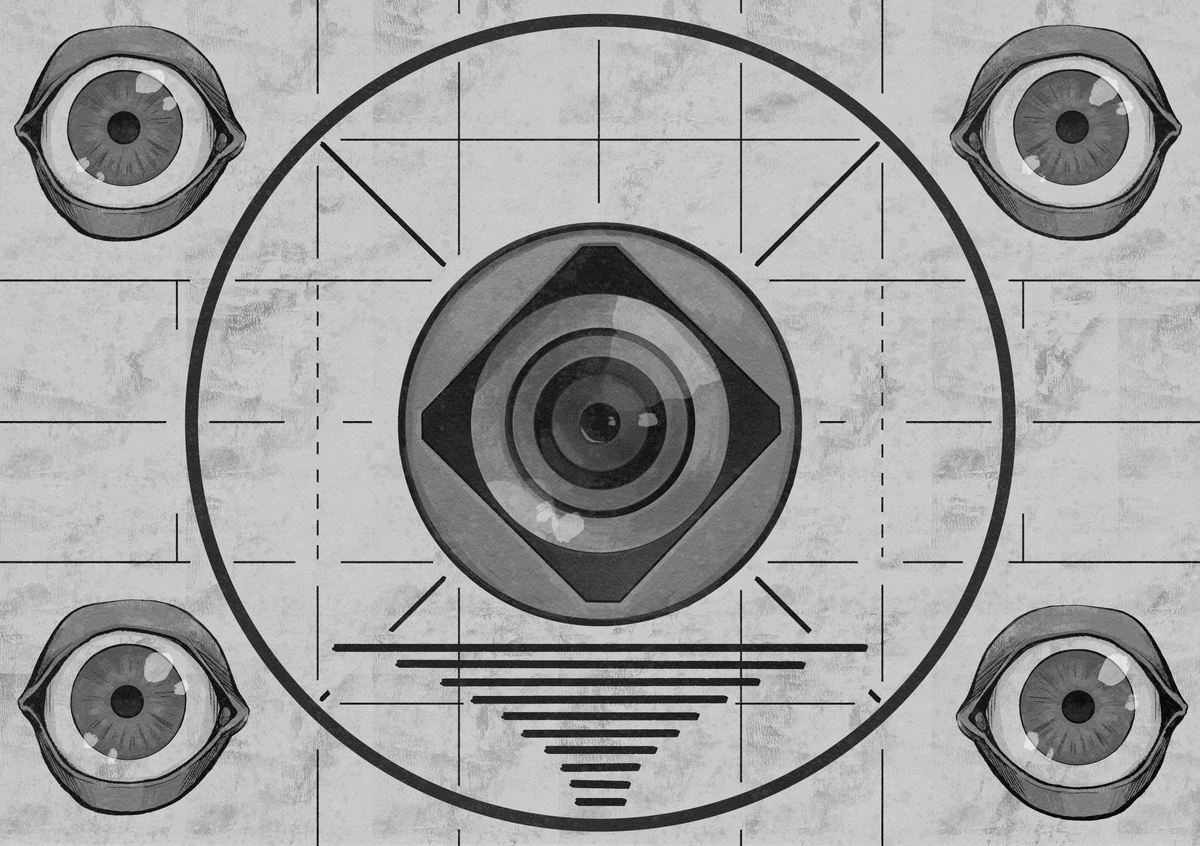
There's a decent chance you grew up watching sitcoms. From I Love Lucy, Friends to the long-running Simpsons, they've served as cultural touchstones since the advent of television. This is partially due to how suited they were to early television, where the picture quality was so low the audience often had to rely on sound cues (such as a laugh track) in order to understand what was happening.
Like all media sitcoms are, made for audiences of their time. Thus, they often rely upon social norms and societal rules to be understood, both in terms of plot points and humor. Part of this is due to how sitcoms often rely on shorthand and stereotype to convey characters such as how women are very often typecast as housewives no matter what period the sitcom takes place in. Unfortunately, these texts don't just stay in the past. Instead, they exist both as a form of nostalgia and a way to generate a time that never existed. I'm sure most people have seen memes that use imagery from sitcom to evoke a "better time". This, of course, erases the actual history of these periods and even the lives of the actors themselves.
Nowhere does this contradiction exist more than in sitcoms from the 1950s, the default setting for Pilot Episode. Most famous of these sitcoms is I Love Lucy, a text that presents a loving, everyday couple. This textual presentation is contradicted in several ways by reality most notably in the fact that the real Lucille and Desi had a tumultuous marriage that later ended in divorce. However, there are also smaller hints that this presentation is a fabrication: for example, rather than dressing like the everyday housewife, Lucille's costumes were designed by an Oscar-winning costume designer. Pilot Episode, a new horror game about a sitcom cast finding themselves trapped in the sitcom world, directly explores this.
Within the game, you play actors in a new sitcom, just looking to pay the bills. Rather than an easy shoot, you find yourself trapped in the world of the sitcom, forced to act as your sitcom alternative. The more you play, the more similarities between your real, less-than-idyllic life, begin to seep into this perfect, bland world. Worse, the thing that has trapped you here wants to be entertained and will stop at nothing to get a laugh out...
Within Pilot Episode, the mechanics are geared towards that friction between reality and fiction. You make your actor first, with their flaws and past that makes them unable to fit into the idealized 1950s world the sitcom constructs. Then you build the character they play and add the one detail that overlaps between the two. As the game progresses, you'll be forced to confront both aspects all while trying to entertain the Live Studio Audience and stay alive.
Another aspect of Lucille Ball that didn't fit the sitcom image were her previous ties to the communist party. In 1936, when she registered to vote she listed her affiliation as a communist. This later lead to the FBI investigating her in the 1950s during the Red Scare. While Ball insisted that she was not a communist and had only registered as one due to her grandfather's insistence, the investigation had such an effect that Desi was forced to address it to the live studio audience during the filming of the 68th episode of their show. This incident was one of the inspirations for Pilot Episode, as the premise of the sitcom actor having to address their real life to their show's audience highlights how the sitcom's image contradicted with reality.
Nevertheless, when we look back to historical periods, it's common for people to look to popular media. We weren't there and before the ability to record anything at any time was put into everyone's pocket, the camera only tended to be turned on for certain occasions. Still, when we look at this media and the people behind it, it's important to ask ourselves what their lives were really like when the camera was off. How many of them suffered discrimination? How many of them couldn't live openly for fear of violence? How many of them wanted live differently than what the idealized life the sitcom offered?
It was these questions I was asking myself as I wrote the game, and I hope you'll ask them too.