Printing Popularity
Crackin' turtles and ripping ponies.

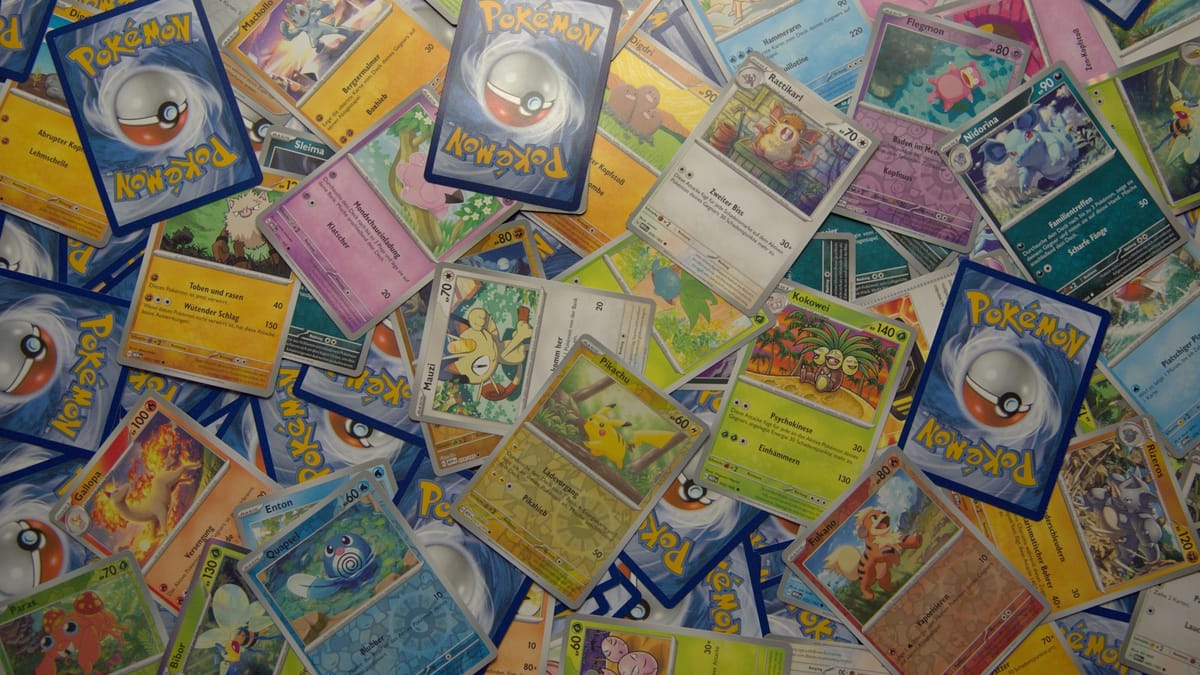
Despite what Chase says in the intro, this is the 32nd episode of the Rascal Radio Hour. He and Thomas welcome Joe Parlock, editor-in-chief at new Trading card game website Booster Pack, to talk about tabletop's most vibrant and financially dubious product category. TCGs can foment friendly competition and a shared thrill amongst hobbyist collectors, but it also harbors the worst impulses of speculative markets, betting, and corporate rock-squeezing in search of blood.
Joe helps Rascal explore all of these vectors in a conversation that doesn't ever veer too hard into cynicism — even if we do get our potshots in at Universes Beyond. And because we're all grown Millennials, there's a fair dose of nostalgia in the mix.
Later, the crew discuss alleged unfair labor practice against members of Kickstarter's union following a strike action in late 2025. There's also a comprehensive look at how Dungeons & Dragons will be releasing books and supporting the RPG in 2026, along with a perplexing half-admission that the 2024 books are a half-new edition. We round things out with a chat about what's hit our table lately, and venture briefly into The Question Dungeon.
Here's an excerpt:
Joe: Magic [: the Gathering] made the genre. You wouldn't have TCGs without Magic. But on the whole I would say probably Pokemon [TCG] has more of an impact on the other games than Magic does. One Piece [Card Game], specifically, is the third of the big three. I'd say it's supplanted Yu-Gi-Oh!
Chase: You wouldn't have booster packs without Magic.
Joe: Yeah! But One Piece does a lot of similar things to Pokemon in regards to collectability. It does a lot of box products and does a lot of art treatments and the collectability is a big deal in it. But it isn't, other than a few basic rule things like Don, its resource system, it has rules that are quite similar to Magic. Other than that, I don't think there's too much of a sense of we have to be Magic anymore. If you look back 20 years ago, every card game was trying to be Magic and they would all fail.
Whereas now I think games are more willing to be their own thing. And I'd say probably the game that comes closest to Magic is Lorcana. Like Lorcana does a lot of similar things. But even then that does its own stuff to be more beginner friendly. So yeah, I don't think Magic has the warping effect it did even if it is making more money than God.
Chase: I hadn't thought about the fact that it was the Pokemon TCG that brought alternate art treatments into popularity amongst trading card games.
Thomas: The Pokemon card game, when I was in school, actually made its way to teenagers in India, and it very quickly became... It was like, you know, you hear about like the tulip bubble in like Holland. The craze, right? Kids went so crazy for it for a few years where the thing that happens, happened. Most people couldn't afford them. So, very quickly, people just started making fake cards and flooding the market. I could go to my grocery store and there would be rice and sugar and then next to the chocolates, there'd be these fake Pokemon cards sitting there. You'd buy them super cheap, and you'd go back and brag to other kids about the sheer number of cards you had. You know what mean? You didn't know what the cards you were, just I have more than you. It was a it was a cool moment that very quickly disappeared.
Joe: Yeah, I remember in first school I got very popular for about two weeks because I worked out I could print off Pokemon cards and give them away. Until my dad had a go at me because I'd used up all the printer ink, and then I went back to not being very popular.
Thomas: I'm on your dad's side. Coloring is really, really expensive. Outrageous.
Joe: I didn't know then! I was six!
Thomas: One of the things that I found recently, which I didn't realize was as big as it was, is that all of these streams on YouTube and Twitch of people just selling Pokemon cards, and they just point the phone at them and stream the whole time they're at the table. Have you guys seen this?
Joe: Yeah, rip and ships.
Thomas: Yeah, there's hundreds of thousands of people watching this, and, on one hand, there's lots of weird stuff in every hobby, but that's kind of fun, kind of nice, actually. They're people just watching this guy sell cards. Like he talks to them, he gives free cards away to kids. Like, it's nice.
Joe Parlock: That's blown up in the last few years. I think that's very much a post-pandemic Pokemon boom thing in rip-and-ships. Like everything, there's the ones who are really wholesome where you just get to watch them open cards and maybe you can win a few or whatever. And then you get the ones where they obviously don't actually care about the game. They're just doing it to sell the cards. For me, I'll happily just sit and watch someone open a booster box and live vicariously through it.