Forge bonds through pit stops and awkward road trip conversations in Runeway
A comforting, nostalgic jaunt underpinned by an anti-fascist vision.

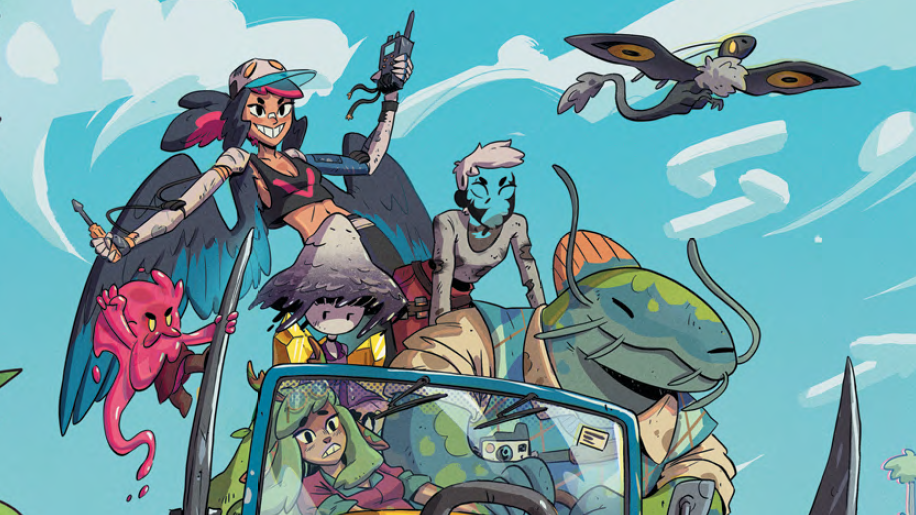
The road trip feels like such a millennial-coded activity. In a time before modern tech, you pump your ears with music from a cassette player, chase eclectic pit stops without the dopamine of push notifications, and speed down winding, dusty roads in a beat up car. And if you aren’t travelling alone, it’s also about making authentic, offline connections with your driver or fellow passengers — offline being the operative word. After all, no amount of digital distractions can overcome the drudgery of being stuck on a road trip with a family member or a hitchhiker whose company you can barely tolerate. Free from the shackles and distractions of always-on technology, the road trip becomes an embodiment of nostalgia, discovery, and growth; just look at the empowered duo in Thelma & Louise (driving off the Grand Canyon is entirely optional).
Runeway is a road trip RPG built around such themes. As Runedrifters, players band and travel together across the ever-evolving world of Weyrd, which is home to strange denizens like fish people, winged demons, and magical golems. They are wanderers of this realm, seeking out companions to accomplish a common goal together. “But the real focus is on how their characters change along the way,” said Chiara Vertuani, the designer of Runeway, in an email to Rascal. “We wanted to create a role-playing experience where growth doesn’t come from power or combat, but from relationships, vulnerability, and transformation. The ‘road trip’ structure felt like the most natural way to support that: a sequence of encounters, places, and moments that slowly shape who you are.” She referred to Runeway as a “self-discovery RPG”, in that the destination matters less than who you ultimately become after your journey is over.