Sword World may no longer be revolutionary, but Japan’s dominant fantasy RPG is still more than a historical curiosity
Down the tabbit hole.

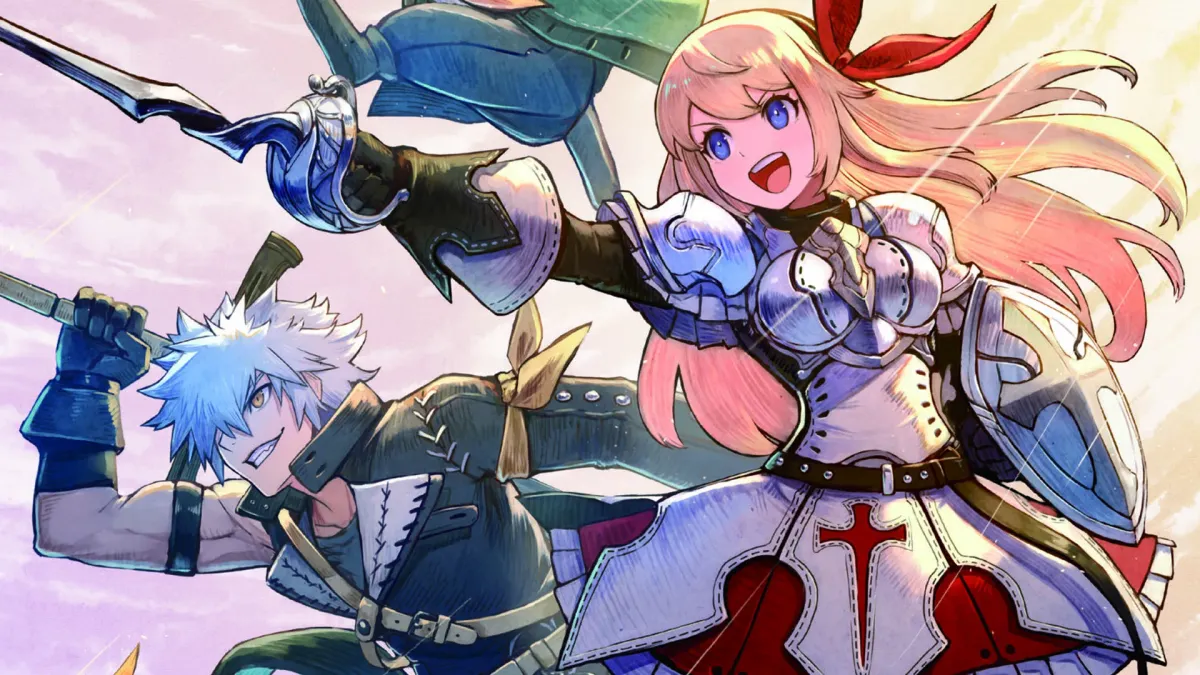
Sword World is one of the most influential RPGs you’ve probably never heard of, only being on your radar if you’re interested in RPG history, a massive fucking weeb or, like me, both. Released in 1989, Sword World soon eclipsed Dungeons & Dragons to become the most popular fantasy RPG in Japan. Later this year, Mugen Games will be running a campaign to crowdfund the first official English translation of Sword World, starting with the current Sword World 2.5 core rules, with plans to support the game with additional expansions and adventures in the future.
Mugen has released an English quickstart for Sword World, which piqued my interest due to its containing a solo adventure. While I do look at plenty of them for work, I don’t particularly enjoy quickstarts — they rarely get to the meat of what makes a game interesting. I make no secret of my love of solo tutorials as a way to learn a game that’s fun and engaging for prospective GMs, rather than feeling a bit like homework. So, I grabbed a pair of d6 (the only dice you’ll need for Sword World) and set off for the port city of Harves!
The adventure wasn’t long, involved or particularly thrilling, but it did do an excellent job of conveying not only Sword World’s basic rules, but what a session of the game is supposed to feel like and how it should proceed. There’s a guild that doles out jobs and provides support to professional adventurers. Newbies register at the guild, form parties, and set off on missions, largely to pay the bills and make it to the next job. The vibe is instantly familiar to anyone with even a passing interest in fantasy anime and manga. However, unlike Fabula Ultima, Sword World isn’t emulating these well-worn tropes — it’s largely responsible for creating them.