Swords Without Master enters a whole new phase
The beloved sword and sorcery game feels as original as the day it released.

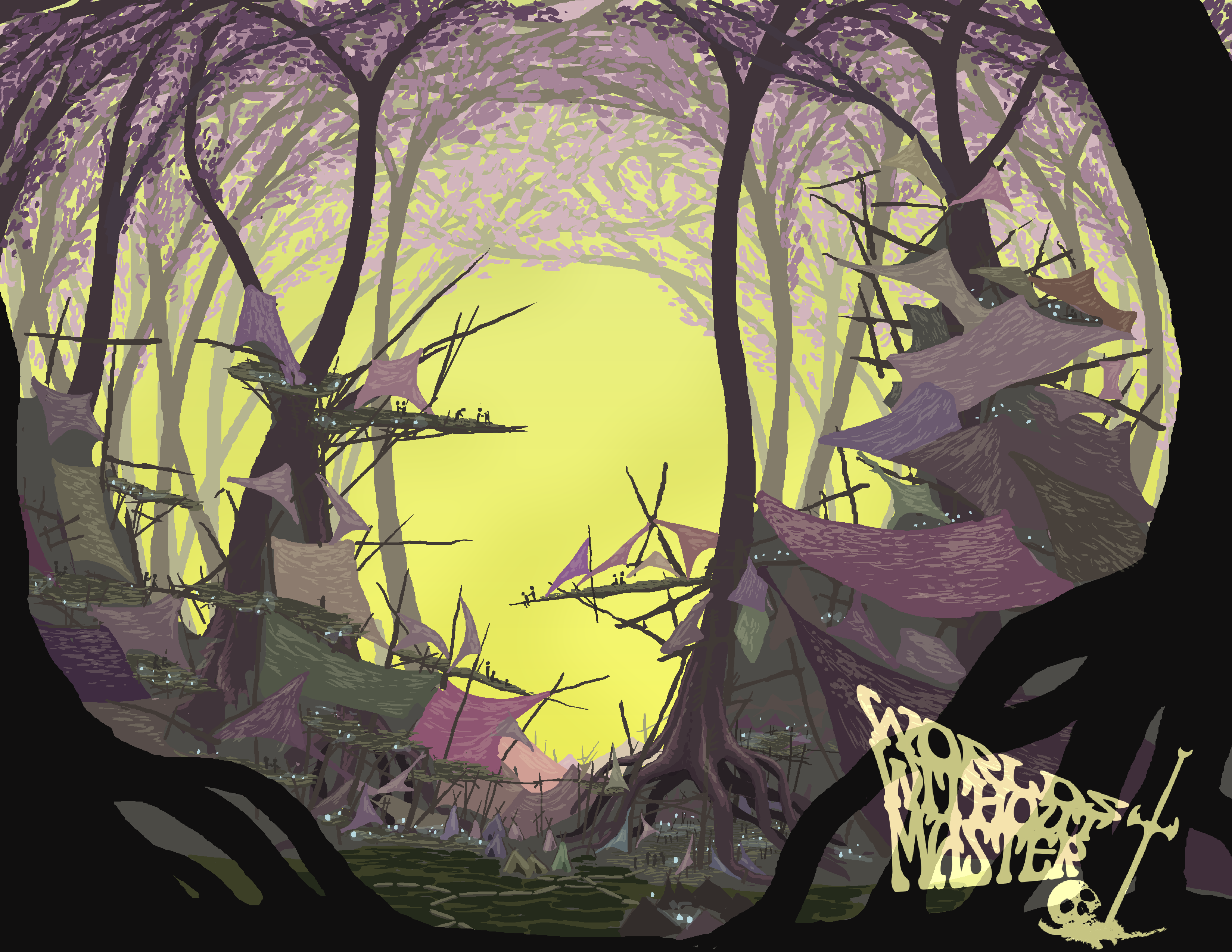
It was June 2009, and Epidiah Ravachol, the designer of teetering horror game Dread, was watching Max Max Beyond Thunderdome with some friends. According to him, somebody in the group said out loud, "This movie cannot decide if it's zany or grim. It's like they're rolling two six-sided dice. And whichever one's higher is the one that they're gonna do.” One week later, the same group, which included Emily Care Boss, Jason Keeley, John Stavropoulos, and Jim Sullivan, had finished playstorming (i.e., designed through play) a game called Monkeydome, which did just that. The dice set the tone of play.
Almost immediately, Ravachol knew this game could become the base for something he’d been chasing for a while: a sword and sorcery game. Dungeons & Dragons obviously existed, but that wasn’t what he wanted. Or rather, he saw in the art and color of D&D a promise of a kind of roleplaying experience that the rules didn’t deliver. In the first Conan story ever published, creator Robert E Howard described him as a man of “gigantic melancholies and gigantic mirth”. These stories were often gritty and grounded, but were equally often gonzo and over the top.
Despite having Monkeydome as the base, Swords Without Master would take five years, until 2014, to come out. Ravachol remembers spending half that time on finding the voice of the game. “One of the things I loved about the sword and sorcery fiction that I read was the florid prose,” he told Rascal in an interview. He wanted the entire text to embody that voice. To reach this goal, he began publishing a magazine of sword and sorcery, fiction and games, that would show what Swords Without Master was interested in. He called it Worlds without Master, a reference to the game that it was leading up to.
Or, should’ve been leading up to.
When publishing the third issue, Ravachol found himself lacking content, so he decided to finalize the text for Swords and include it in the magazine. “There was not a whole lot of plan there,” he admitted. At this point, this was a game that many people were looking forward to. They had played it at conventions, even running it themselves. Without any fanfare, it dropped into their inboxes on April 1st — like a joke. Some of them had the third issue of Worlds without Master for days before they knew it contained the game.
Almost immediately, people pointed out that Swords Without Master needed a standalone release. Ten years later, they’re getting one.