Mythopoetic mecha game Dragon Reactor gives me everything I want and I want more
I am experiencing the kind of greed they warn about in the Bible

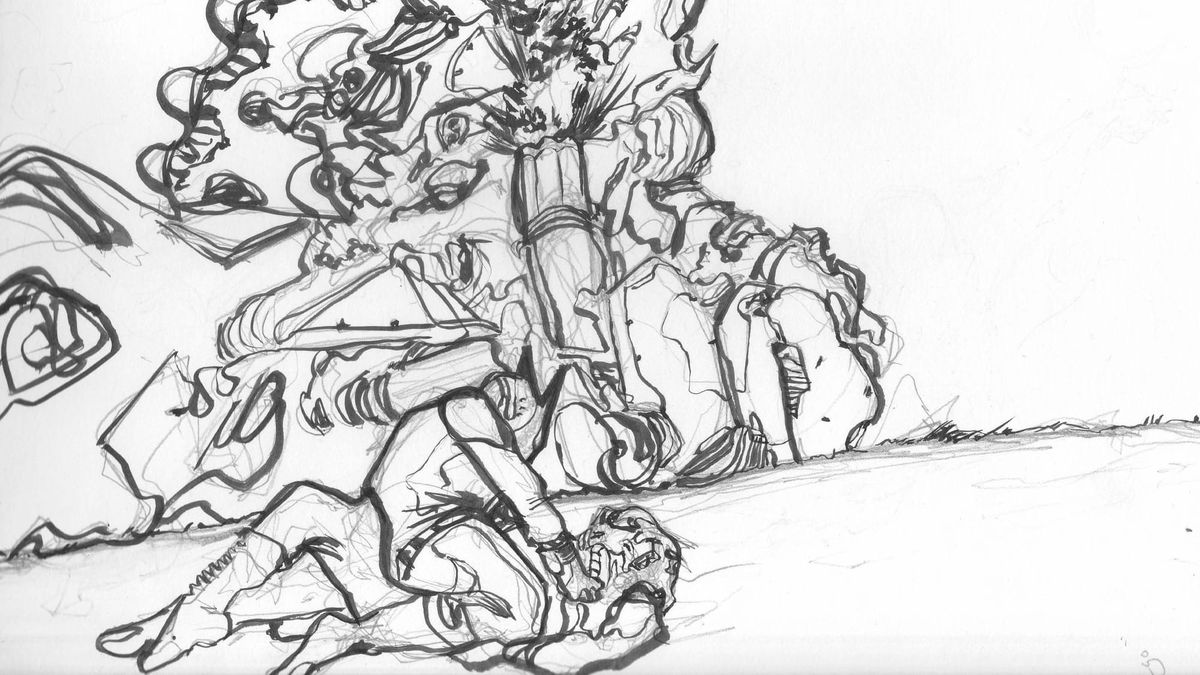
I had already read through the digital version of Dragon Reactor three times when I realized that my physical copy was in my mailbox. I eagerly cut open the envelope and the slim, 60-page, black-and-white zine fell into my hot little hand. I pawed through it, rereading it again, and came away just as delighted as I had been the first time I read it.
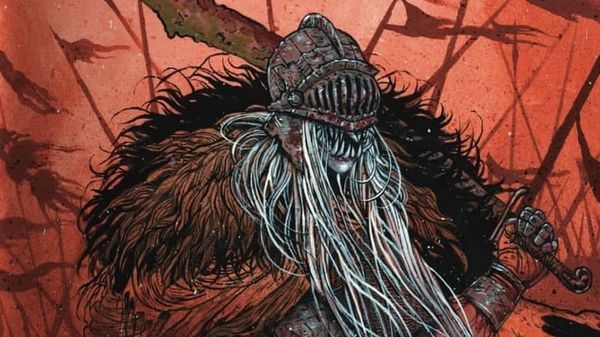
Dragon Reactor is a short, narrative-forward tabletop roleplaying game with a game master, called The Poet, who leads an elite squad of Pilots through a cruel and endless war. Each Pilot is paired with a god-mechs, called Dragons, that are weapons containing powers that are not fully understood until the sky breaks on their war-cries.
The game was written by Nevyn Holmes and S. Quinn Morris. (Holmes is one half of Dinoberry Press; Julie-Anne “Jam” Muñoz, the other half of the press, worked on demo layout and additional assets). Gameplay takes place over a 2-3 hour session, which has three discrete phases: Conflict, Aftermath, and Countdown. It’s intended for longer campaign play but is well formatted for a single one-shot session, with short playbooks called “Archetypes.” It feels mechanically similar to the Best Left Buried system used in a lot of Soulmuppet game design (Orbital Blues is the one I’m most familiar with), and works with a series of D6 dice pools that vary depending on what stage of the Conflict you’re in. Most importantly, however, Dragon Reactor utilizes Apocalypse World-inspired clocks throughout the game, both as personal countdowns and for the larger, over-arching Doom clock.
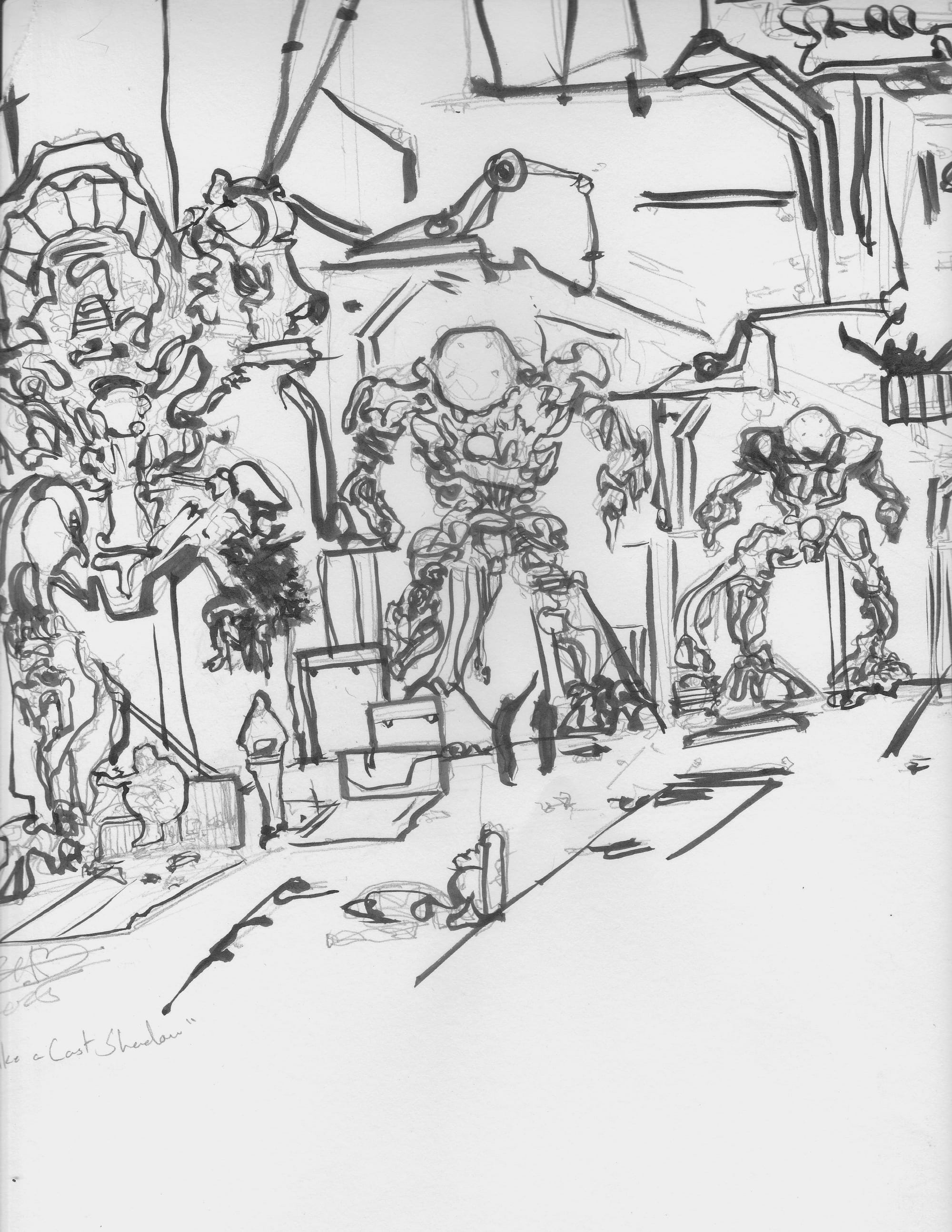
More than its design inspirations, Dragon Reactor wears its narrative and genre inspirations on its sleeve and never once apologizes for it. It doesn’t back down; it doesn’t give you a chance to insert another narrative. This is war and you are a killer. It doesn’t matter what you want or what you dreamed of, you are in a never-ending conflict and you have a gun-shaped machine that wants you to use it, that’s begging you, that’s screaming at you to pull the trigger, please. The Dragon is romanticized in the kind of apotheotic language used for machines we idealize and don’t fully understand, but despite that, war is always treated as something uniquely horrifying, and the discordance emulates the feelings of shame, inner turmoil, and emotional dissonance that characters feel as they stomp through the game.