Null Signal Games is keeping corporations fictional
The volunteer nonprofit behind Netrunner is growing, and growing up, on its own terms.

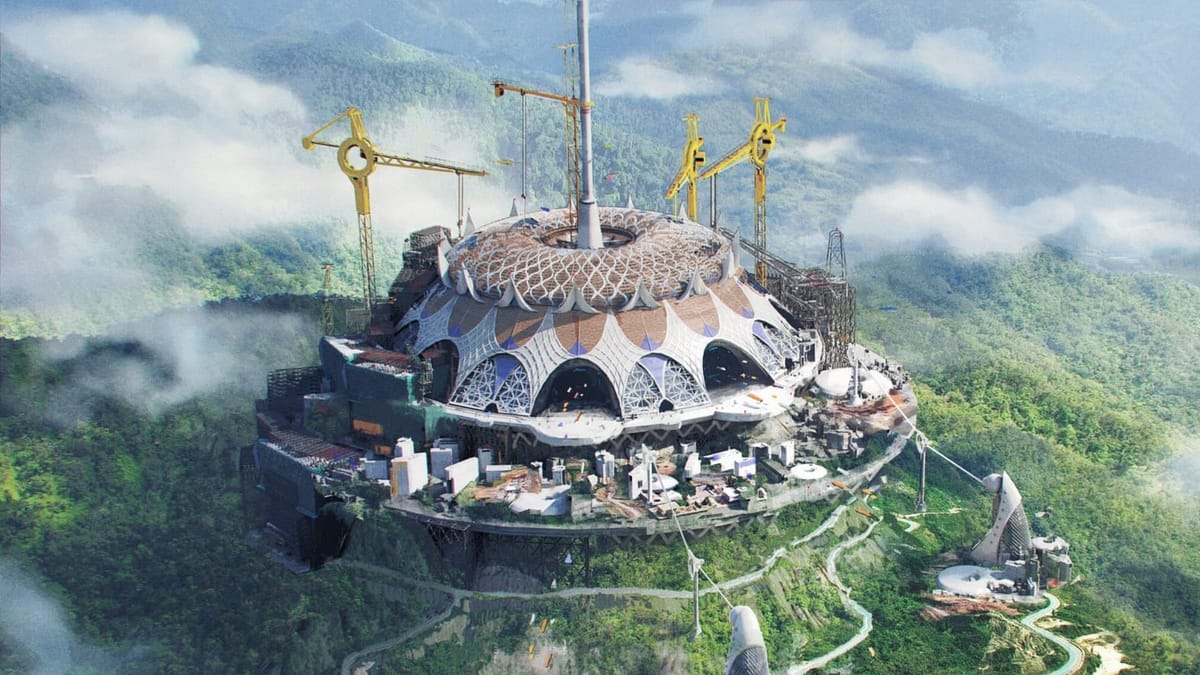
Null Signal Games (NSG) is an oddity among makers of big, competitive card games. The producer and steward of asymmetrical battler Netrunner is a nonprofit company run almost completely by unpaid volunteers. This runs counter to the traditional business model — Wizards of the Coast, The Pokémon Company, and Konami are all massive (and mostly international) companies with advertising appendages to match. In terms of personnel, money, and attention, Netrunner is outclassed.
And yet, NSG’s star has been on a constant rise for five straight years. Talking to Rascal in October 2025, three lead members of the organization said their success can be attributed to a combination of community investment and NSG’s staying agnostic to profit motives. Netrunner’s playerbase is larger than ever; it is poised for another considerable expansion when Vantage Point drops in March, and its 2025 World Championship showcased talent new and old battling amidst a very healthy competitive environment. Such success feels like an anomaly, a dream rapidly approaching sunrise.
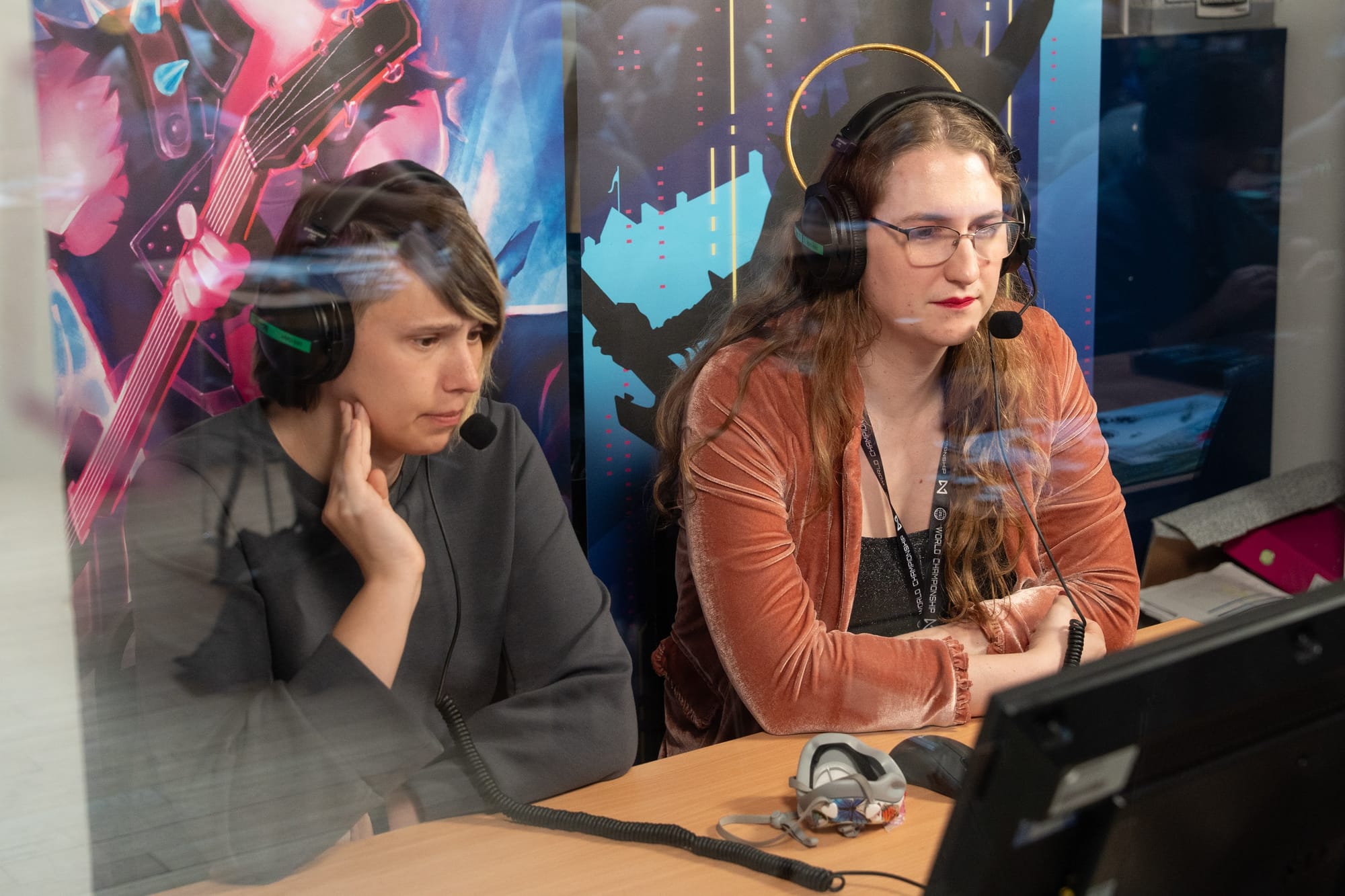
In reality, the people behind the scenes talk constantly about NSG’s growing pains. Community manager and steering committee president Izzy Miller joined narrative director Patrick Sklar and lead developer Ben “Safer” Jones to give Rascal a fly-on-the-wall perspective into those conversations. Sustainability must always precede success, and the organization is cognizant of the disaster that accompanies rushing after runaway growth.
“The more professional we appear, the more people hold us to a higher standard, which is great,” Miller said. “We're meeting these higher standards, but it's a ratchet where you go up a level, and then you're stuck at that level. It's hard to go back down the ratchet, so when we take these steps, we take them really cognizantly.”
NSG’s nonprofit model is what allows Netrunner to be so inviting: all cards can be freely printed and used in any competition, from casual FLGS games up to world championship bouts. The organization pays artists and distribution labor (packing and shipping) with revenue from officially printed copies of its starter sets and expansions. This arrangement has worked since NSG rescued the collectible card game’s license from Fantasy Flight Games in 2019.
But now success is straining the limits of their capacity and forcing maturation of both leadership and logistics. A new board of directors will rethink internal processes, while other parts of the organization future-proof their logistics so that the design team can plan three to five years into the future — the same roadmap that Disney and Ravensburger offered for Lorcana at launch. The biggest example of this change? NSG is switching printers from the print-on-demand (POD) Make Playing Cards to Boda Games Manufacturing’s factories in Wenzhou, China. “Which is huge,” Jones said.