The Dark Art of Dragonbane Trudvang
A brief history of some beautiful images.
Known for his dark and whimsical fairy tale illustrations, John Bauer is one of Sweden’s most recognizable artists. This is in spite of dying in 1918 at the young age of 36 when the steamer he was on capsized on the way to Stockholm, killing everyone on board. Part of what makes him such an icon is that many Swedes come across his work when they’re children, because of the illustrations he did for an annual anthology of stories called Among Gnomes and Trolls (Bland Tomtar Och Troll).
Started in 1907, this anthology of fairy tales is still ongoing, published every Christmas season. Bauer illustrated eight out of the first nine issues, and his style was an instant hit. While he could, and would, paint in many colors, printing restrictions meant that the early images for the anthology were limited to black and yellow — if not generally muted. Combined with the somber and mysterious mood he imbued into his images, the result was a flavor of fantasy that spoke to people and, over the century, has become part of the cultural imagination of the nation. This included the children who loved roleplaying games.


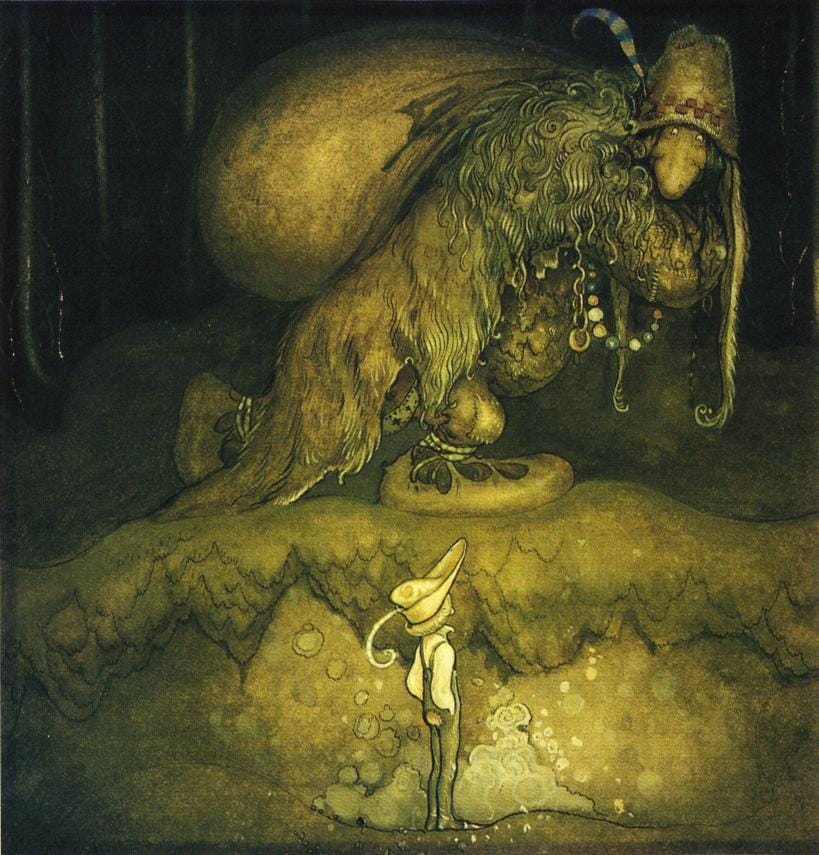
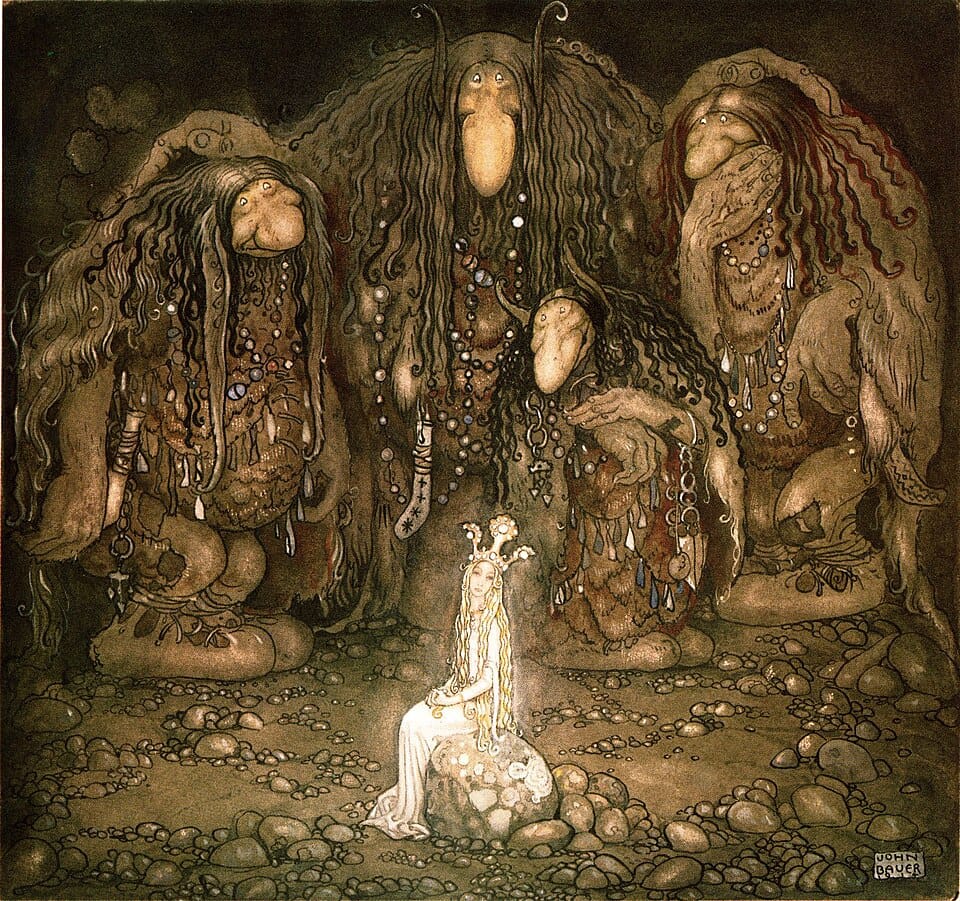
The art of John Bauer in Bland Tomtar Och Troll
Through the ‘80s and ‘90s, the most influential publisher of roleplaying games in Sweden was Target Games. They released the fantasy mainstay Drakar och Demoner, the post-apocalyptic Mutant, and the sometimes controversial Kult. But by 1999, Target was in the process of being restructured (into Paradox Interactive, among other entities) and the license for Drakar och Demoner fell to a new company called RiotMinds.
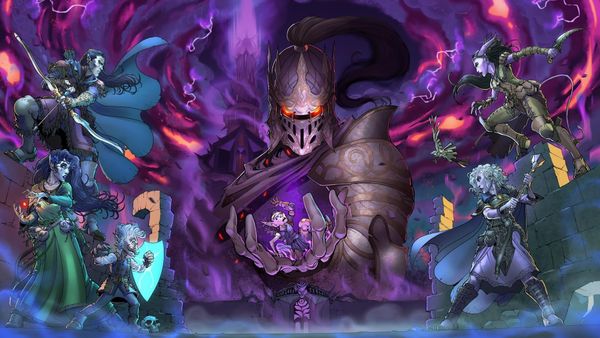
As they developed their new version of Drakar och Demoner, the designers at RiotMinds, Theodore Bergkvist and Magnus Malmberg (among others), began to push the game towards a concrete setting, inspired by local folklore. They imagined dark forests, trolls, blood, and whimsy. In other words, they imagined the work of John Bauer and wanted something that evoked the same feelings. This new setting came to be known as Trudvang, a world of dense forests and ghostly fog built on the bones of dragons and giants.
Over the course of the 2000s and 2010s, Trudvang grew, leveraging a league of talented artists including Alvaro Tapia, Johann Egerkrans, and Paul Bonner, to name just a few. Artists have always been at the forefront of the setting. In Outside the Box, a history of Swedish RPGs, Bergkvist laid out how central Tapia’s art was to the entire project: “To me no one has had such a great influence on Trudvang as he has. He gave us illustrations that we would write text to, instead of the other way around.”
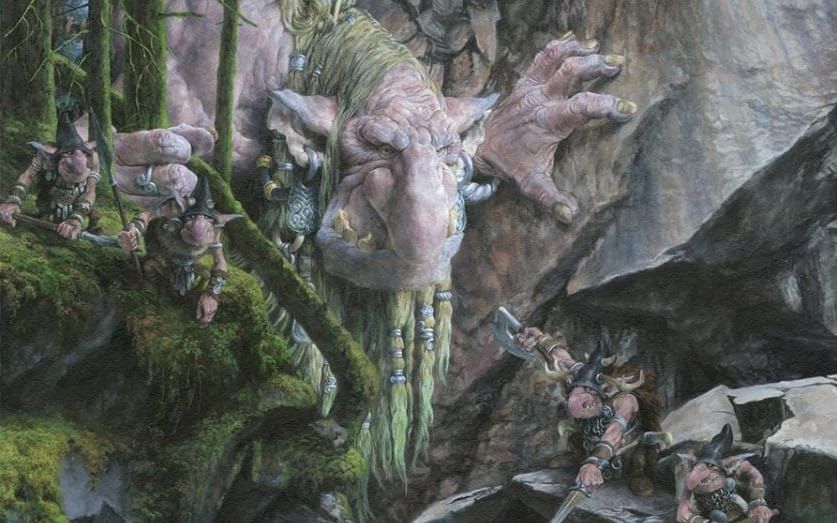
Egerkrans was a relatively new artist when he worked on the game, but he would become a sensation through his art book that would eventually inspire the Vaesen roleplaying game. Bonner is an icon in his own right, known in game circles for early Warhammer illustrations, Lone Wolf, and the infamous D&D adventure Die Vecna Die! As the cover artist for the Trudvang books, he explicitly channels John Bauer but with a new color palette and density that set both the game and its world apart, making it fall in that sweet spot of being both familiar and unique at the same time.
From there, Trudvang’s life became a bit twisty: in 2016, RiotMinds brought their setting to English audiences through a game called Trudvang Chronicles, which was standalone and not attached to the Drakar och Demoner brand. It was successful and found an audience, who were drawn by the art and promise of a unique world. But in 2021, they sold Drakar och Demoner to Free League, who released an English edition under the name Dragonbane. And one year later, they also sold Trudvang to CMON, who were using it as a setting for board games. With an eye on where to take the Dragonbane line, Free League are reuniting the separated halves in 2026 under license from CMON and crowdfunding the result as a standalone but completely compatible game called Dragonbane Trudvang.
This new version is not a reimagining of the original game as much as a refresh, bringing it in line with Free League’s standards for the products they release. It also offers a different flavor of fantasy, more serious (no ducks) and more mythic. It’s both tonally and production-wise a similar move to what Necrotic Gnome did with Dolmenwood, as a standalone setting and game separate from Old School Essentials.
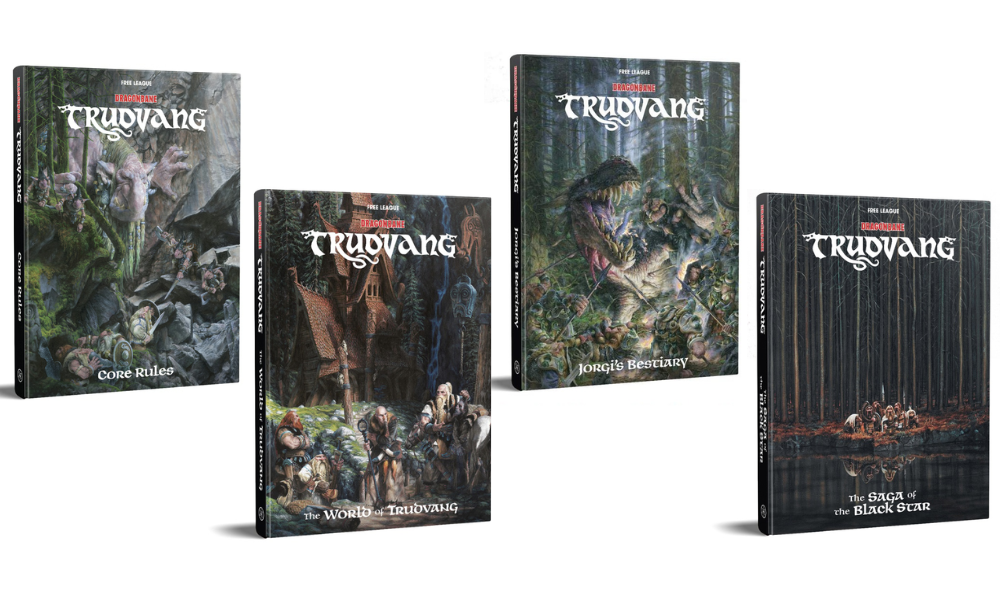
The market of fantasy games is as big and as competitive as ever, but for a not insignificant number of people, Dragonbane has won the war. While they will undoubtedly gobble up Trudvang, many also saw the new books as an opportunity to collect some beautiful art. Tomas Härenstam, CEO of Free League, is aware of this. In an interview on YouTube, he talked about the joy of “drawing on 25 years of fantastic Trudvang art”, including some work that may not have actually been published before. He said, “We basically have access to everything and that's a real treasure.”
Free League have created projects around the work of specific artists before: the aforementioned Vaesen but also their trilogy of games on the work of Simon Stålenhag. Dragonbane Trudvang isn’t the same as those but it’s also not that different.
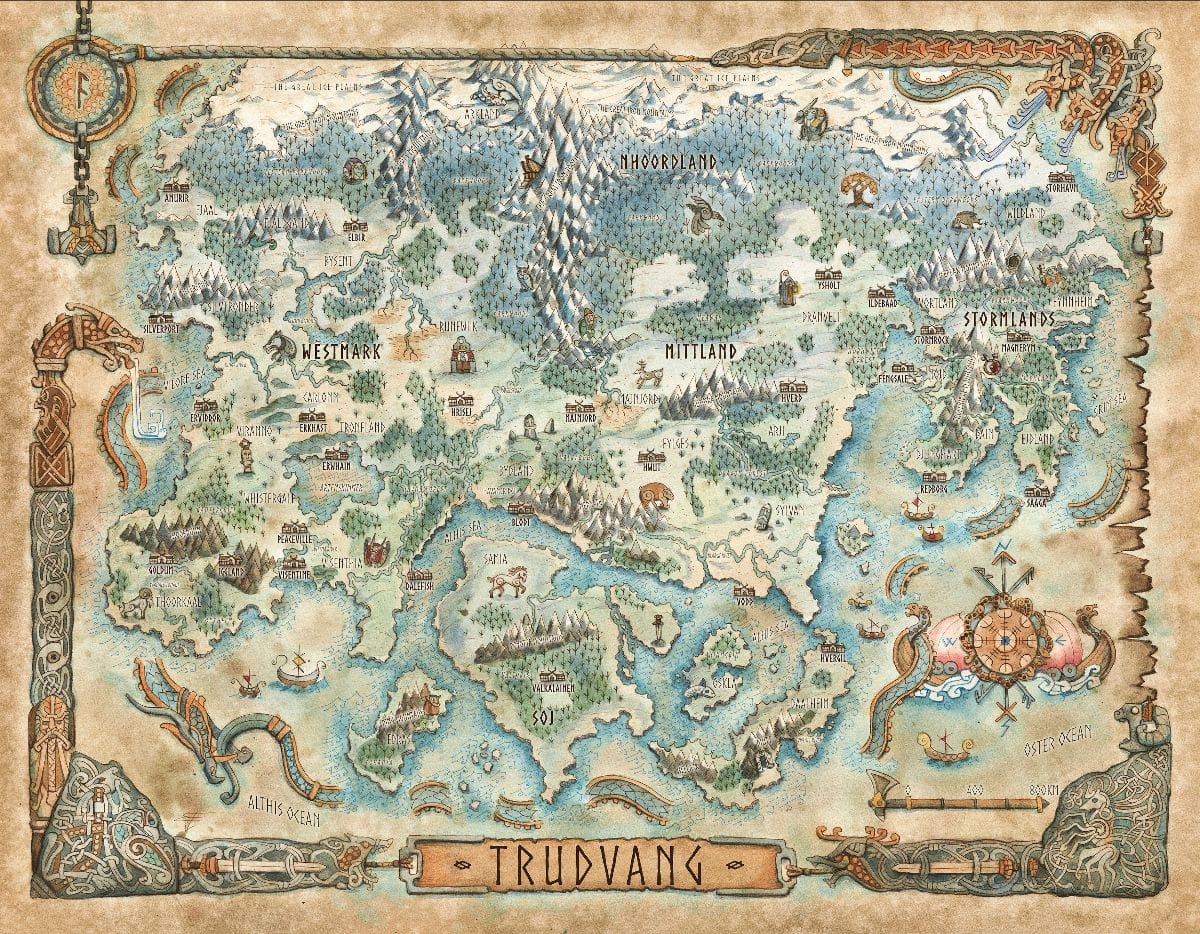
For an industry where illustration drives so much of the audience’s curiosity and wonder, artists often don’t get their due. It’s an old story. Over a century ago in 1911, John Bauer refused to illustrate the new edition of Among Gnomes and Trolls. The art from the first (extremely popular) four editions was owned by the publisher, but Bauer wanted to change the terms — and retain his copyright. The publisher refused, found someone else, and went ahead without him. In 1912, they came back and agreed to his terms. Bauer would go on to illustrate another four editions for them.
Though it is more common now for artists to retain the copyright to their work, it’s far from being the industry standard. To be clear, indie publishers are usually more aware of the value of artists than their player base, who often fall in love with the work without even knowing the names of those who held the pen and brush in their hands. In this time of systemic plagiarism and shrinking opportunities for professional artists, it’s good to remember that someone made these worlds we escape into.