PPWR lands another blow to an already precarious tabletop industry
Regulatory compliance takes up far too many resources and hours.


Small tabletop RPG designers and publishers have expressed concerns about meeting the regulatory changes recently introduced by the Packaging and Packaging Waste Regulation (PPWR), a new legislative framework for promoting sustainable packaging practices across Europe. With initial requirements being applied from August 12, the framework replaces the previous Packaging and Packaging Waste Directive (PPWD) in place since 1994. “Dont wanna be overly alarmist, but why don’t I see more people and designers freaking out over PPWR? It affects everyone shipping anything to any EU country,” said visual artist and MÖRK BORG creator Johan Nohr on Bluesky.
While this framework is clear about addressing environmental concerns around packaging waste, the reality of how one achieves regulatory compliance isn’t as straightforward. One issue many designers cited is the inclusion of the Extended Producer Responsibility (EPR). Not only do businesses need to adhere to the PPWR, which is being enforced across all 27 European Union (EU) member states, but they must also abide by each country’s specific packaging regulations, with rules and interpretations that can vastly differ amongst one another. At the same time, this includes fees as part of the EPR, an existing policy that producers — companies that manufacture or import goods — are obliged to fulfill. Making matters even more complex is the fact that each EU state implements these EPR fees differently. They may include one payment for registration, and then a secondary payment that varies across countries and is dependent on materials used. Josh Fox, designer and founder of Black Armada, pointed out that some countries, such as Spain, even charge an ongoing annual fee in addition to the initial registration fee.
"This is another piece of EU legislation that appears not to have considered small businesses at all,” said Fox in an email to Rascal. “Black Armada absolutely loves our EU customers, but we will be going over our sales stats and each member state's fees to figure out which we can still afford to sell to.”
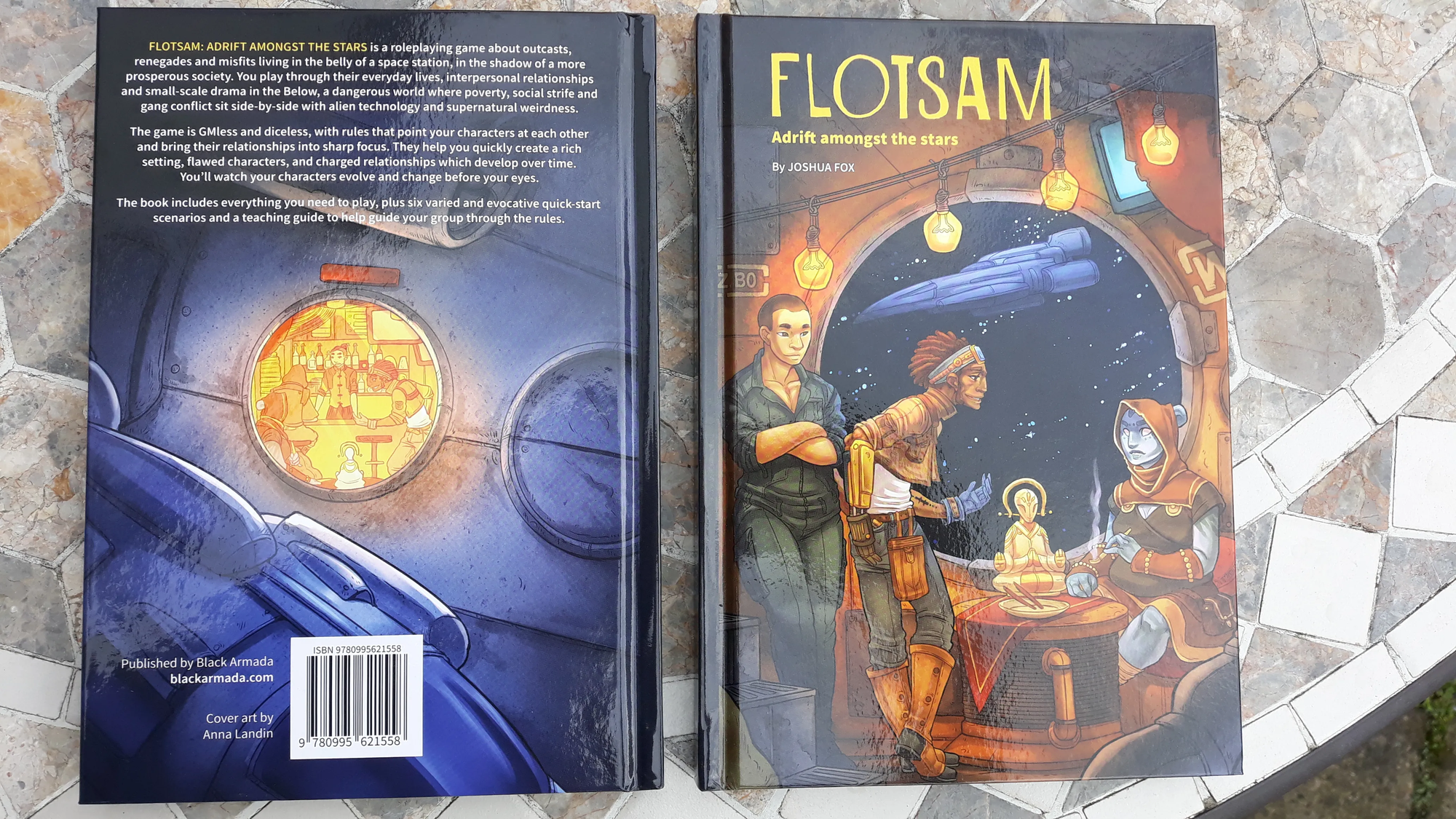
Several designers and publishers like Black Armada, Genesis of Legend Publishing, and Colin Le Sueur of By Odin’s Beard have immediately ceased shipping to countries that are part of the EU, at least temporarily, until they can figure out their next steps. That’s because one of the primary issues they face is the sheer amount of resources that they need to invest into remaining PPWR compliant. “Multiply [the fees] by 27 states, and you have a big problem,” said Fox. “The best advice for tabletop RPG folks is to figure out which states are sufficiently profitable to offset these fees, and stop selling to the rest. But it's not simple because each member state has its own arrangements, so you need to research each one individually.” Some shared that Fox’s guidance loses feasibility when publishers still have crowdfunding campaign rewards to fulfill. Even Black Armada is still figuring out the logistics of sending games to campaign backers from the EU states.
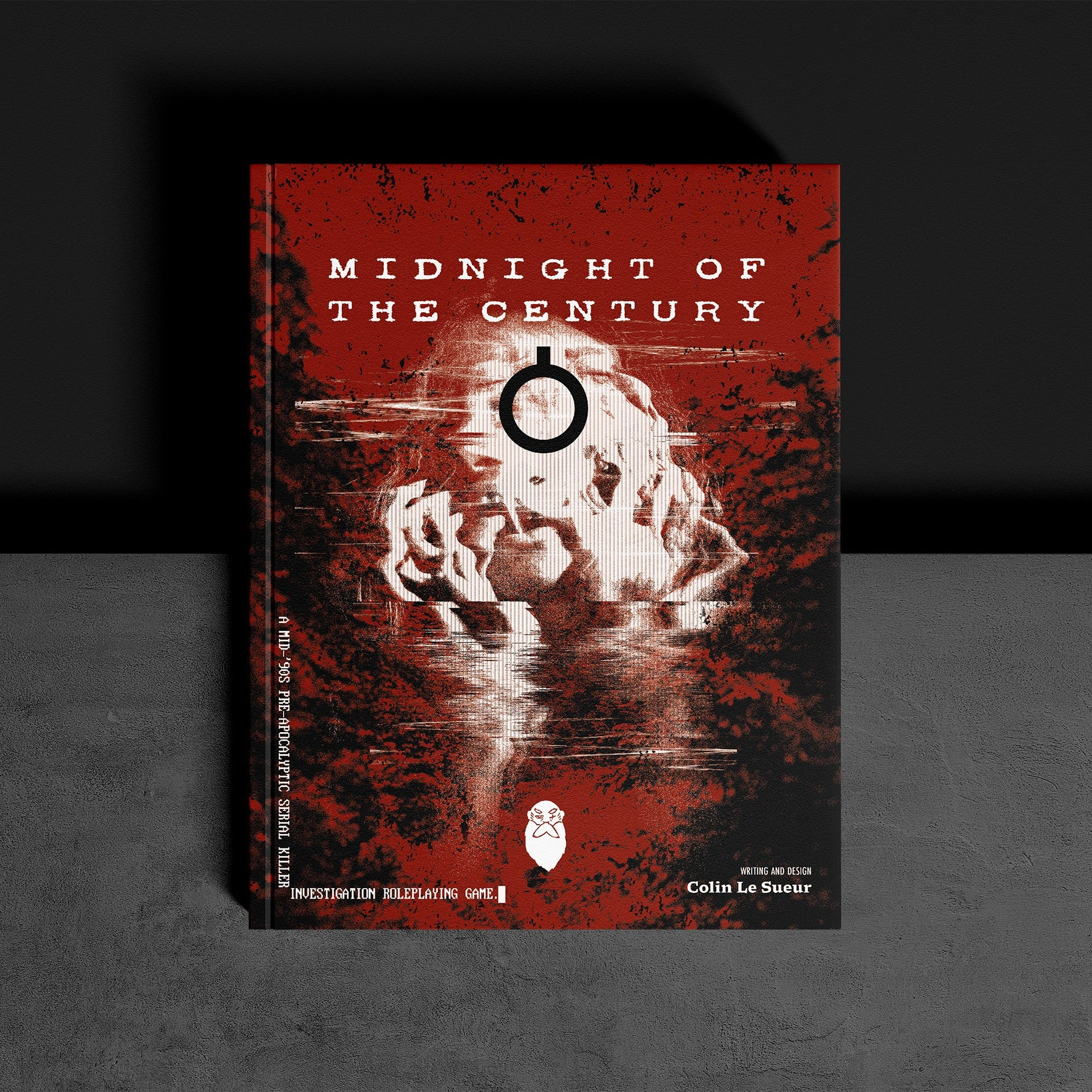
Losing access to the EU market is another concern. Jason Pitre, founder of Genesis of Legend Publishing Inc., told Rascal that the fear of incurring prohibitive extra costs has dissuaded him from simply ignoring the new rules — a concern also echoed by Le Sueur. “I am concerned about fines and fees, considering I would have to potentially register with all EU member states or pick and choose who I sell to,” said Le Sueur to Rascal. He added that the PPWR may hinder his reach with his EU audience and result in his inability to sell to the EU market, which amounts to losing 10% of his annual revenue. It’s not an insignificant sum, but he pointed out that it wouldn’t put his business under threat for now. “I’ve spent far too many hours this month navigating these new changes, and with the constant possibility of more on the horizon, I’ll have to make a decision whether to ever resume sales to the EU,” he said.
Pitre, however, offered a bleaker outlook, referring to this situation as “just another nail in the coffin for my business.” He explained to Rascal that the byzantine requirements around PPWR compliance are another obstacle in the already tumultuous tabletop RPG landscape, pointing to the US tariff debacle, which made selling directly to customers in the USA “extremely difficult.” Then there’s the EU’s General Product Safety Regulation (GPSR), which was instituted at the end of 2024. When combined with new PPWR legislation and the elimination of the de minimis exemptions in July 2026, the thought of shipping his games to EU states is giving him pause. “Historically, about 50% of my games were exported to the United States, 15% Canada, 15% EU, 10% UK, and the remaining 10% to customers in other countries,” he said. “Taken together, this directly impacts two thirds of my customers. The business of making physical products seems increasingly difficult to justify.”
Then there’s the PPWR document itself, which is filled with legalese and overtly broad phrases that can be challenging for business owners to parse. “Very few publishers have either the skills or the time necessary to properly analyze the details of the PPWR,” said Pitre. Take the requirements around labelling, for instance; these differ depending on the roles that the business is defined by, be it manufacturer, producer, supplier, distributor, or importer. Then there’s deciphering what a harmonized label of the packaging entails, and meeting requirements around the composition of the packaging — details that Fox has suggested sellers have to take into account even if they don’t need to take the necessary regulatory actions. Le Sueur also added that conflicting information is rampant, most of which concerning whether the seller is based in the UK or within one of the EU states. There are exemptions for sellers known as “micro-enterprises”, but only if certain conditions are met, depending on where the micro-enterprises are located — and which EU state they’re selling their goods to.
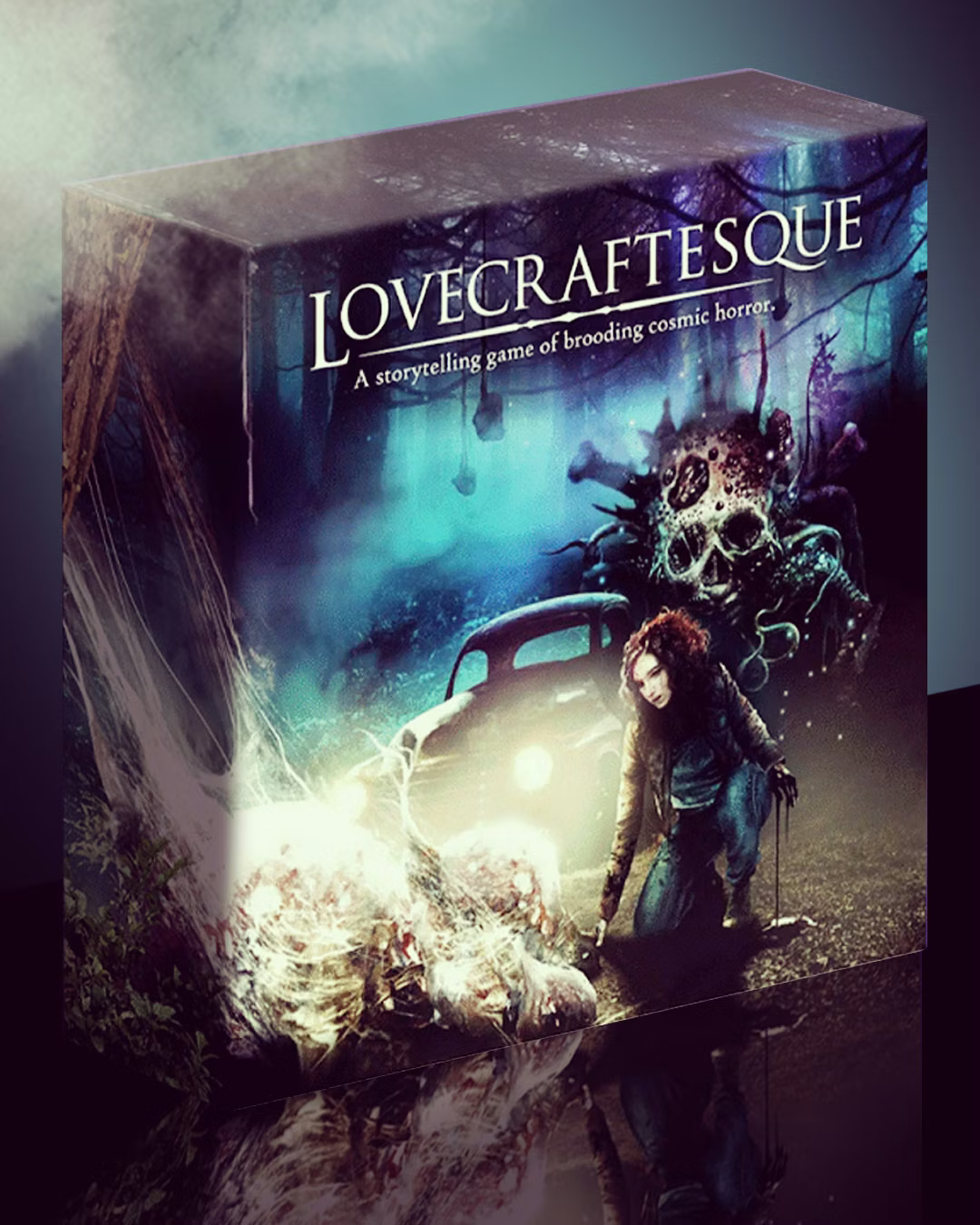
Even the definition of what constitutes packaging seems shrouded in ambiguity, at least from the creators’ perspective. “I'll just say that "packaging" is a very broad term,” said Fox. “It can include shrink wrap on a product, for example, because that gets thrown away; but it doesn't include [something like] a board game box because that's an integral part of the product. It does include any packaging used to ship the product to the customer (for example a cardboard box it's shipped in), but not bulk packaging used to transport [such as] an entire pallet of product.” Throw products that use specific packaging for their myriad components in the mix, and it’s another conundrum altogether. Black Armada’s Lovecraftesque contains individual components such as cards, a board, a UV flashlight, and a few tokens that come with their own packaging, but the PPWR may render selling the game in the EU more complicated.
“Ironically, we might end up producing additional packaging to meet these regulations; the plastic wrap the cards currently come in, which is disposable and therefore covered by the regulation, may be replaced by a tuck box, which is considered part of the product and so not covered,” said Fox. “But to be honest these are just ideas, which may not work, and we may just end up not selling Lovecraftesque in the EU unless and until the regulation changes.
Working with international distributors and fulfillment companies can help steer around the complexities of these regulations, given how expensive and time-consuming this process can be. But for small businesses and indie creators, the upfront costs of paying a third party can be exorbitant, according to tabletop designer John Scott. At the same time, distributors and fulfillment partners have been raising their prices as a result of the newly initiated PPWR. “Whether they're worth it really depends on the scope of your sales or crowdfunding project,” Scott said. “If you've got a lot of customers/backers in the EU, it's almost a necessity.” He believes that this will eventually be a tax passed down to customers in the EU states via increased sticker prices.
Regulations like the PPWR, as well as volatile shifts in the market caused by events such as tariffs and military conflicts, have left the tabletop RPG industry in an increasingly precarious situation. Pitre believes there’s a chance that the bulk of these regulatory burdens may be shouldered by bigger, more established publishers that produce physical goods in large quantities. But therein lies the issue: chance. Navigating this regulatory challenge feels like a gamble, and the small publishers and independent designers Rascal spoke to universally expressed a great deal of uncertainty around this issue.
Maz Hamilton, business director of Rowan, Rook and Decard, said they tried and failed to adequately answer questions about navigating PPWR’s labyrinthine intricacies, instead pointing readers to a blog post that “accurately conveys the general situation in international logistics for micro-multinational enterprises at this time.”
“There’s still an air of the unknown around PPWR; some folks have decided to keep selling as normal and others have investigated the situation and decided to restrict their sales to specific countries,” said Le Sueur. “Best case scenario: this is much ado about nothing and things will largely continue as before, but it’s yet one more strike against small businesses trying to sell things to EU customers. All of these regulations [...] are worth implementing, but you can’t apply the same rules to every company, regardless of the size.”