Products aren’t people and don’t “have to” do anything
MTG’s Zeta Set looks rad, but let’s not pretend naivety about $20 booster packs.

Verbs are powerful tools in journalism. Critics use them to describe the dynamic relationship between art and audience. Reporters use them to tie real-world subjects to their actions, from cats in trees to leaders in elected offices. Verbs convey power, influence, and violence, and thus good journalists choose them carefully when writing. Otherwise, they might trip easily over empty irregular verbs and passive constructions (“the man was killed” versus “someone killed the man,” for example).
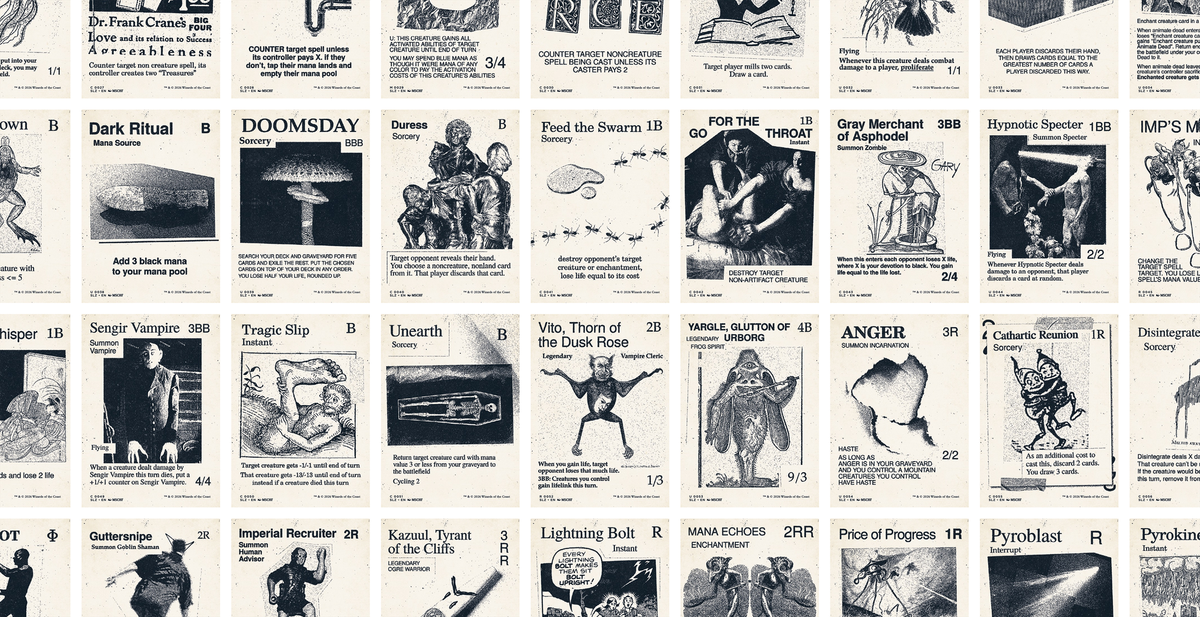
This is all to say that a recent Polygon interview with the leads behind Magic: The Gathering’s upcoming Zeta Set project raised my hackles. Wizards of the Coast has partnered with Brooklyn artist collective MSCHF to produce a 121-card set released exclusively through Secret Lair’s limited drop model. In a first for the often polarizing imprint, Zeta Set will be sold as 7-card booster packs with a price tag of US$19.95 a pop. Zeta card art will evoke the slapdash, DIY style of MTG’s earliest playtest game piece, a combination of archive images, library microfiche, and scanner hijinks that produce genuinely interesting and rad treatments that, unfortunately, will be gated behind the TCG’s most onerous procurement method.
The interview, “Magic designers reveal why Secret Lair's new Zeta Set had to come in booster packs,” would ostensibly explain the change in product form factor, implying a response to some kind of pressure in doing so. But Polygon never gets around to such an explanation. Secret Lair art director Jacob Covey told them that the size of the drop “became necessary once the project evolved into a randomized product”, and that “Secret Lair needed enough possible pulls to create what [Covey] described as ‘a fun chase.’”
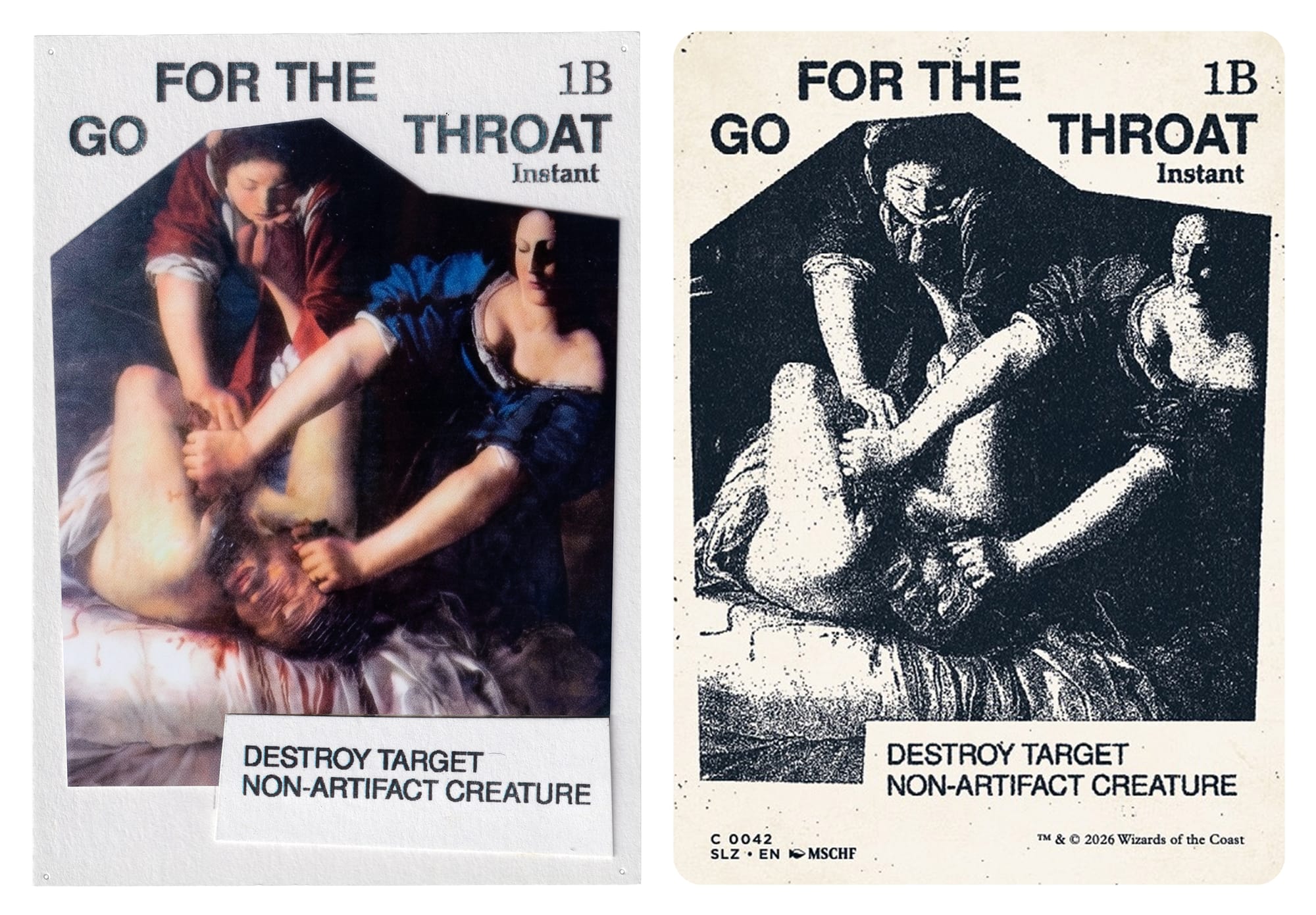
Messy politics around booster packs aside, this phrasing sucks! There’s no good reason to ambiguate who wanted what out of this Secret Lair set. Trading card games are not out here undergoing biological change, so readers will easily cotton onto the implied subject who wanted to sell more randomized blind boxes at a premium cost. Products do not have needs, nor desires. They aren’t forced to change, whether that’s including fewer pieces of cardboard or charging players more for that cardboard. Wizards of the Coast changes their products. Hasbro changes their quarterly projections for MTG’s profit. People within companies change what you play; don’t you deserve to know why?
I can understand why a company would feel a little squeamish about plainly saying that Secret Lair’s Zeta Set was designed to generate beaucoup bucks. A defining feature of our late stage capitalism is disguising every nakedly extractive impulse in the guise of consumer empowerment, and where that fails you can always wave your hands at vague market forces. A game business will smartly read the room before claiming it had no choice but to lean harder on immiserated players because it was the only way to deliver the neato (and more expensive) product they deserved. Self-serving, but normal; Disappointing, but the least among corporate sins.
In contrast, journalists should obligate themselves to at least point to such handwringing and call its bluff. Readers privilege us with their time and trust, and we should repay that investment by advocating for their best interests, especially among entertainment and media journalists. Now, it’s possible that author Corey Plante pushed back on Covey’s insistence that $20 booster packs with half the usual cards was inevitable, the only way to print these specific sheets of paper, but none of it survived into the final draft. It’s also likely that he had no say in the headline that accompanied his article — usually the work of a front page editor or desk editor. Rascal reached out to Plante for comment but did not hear back before publication.
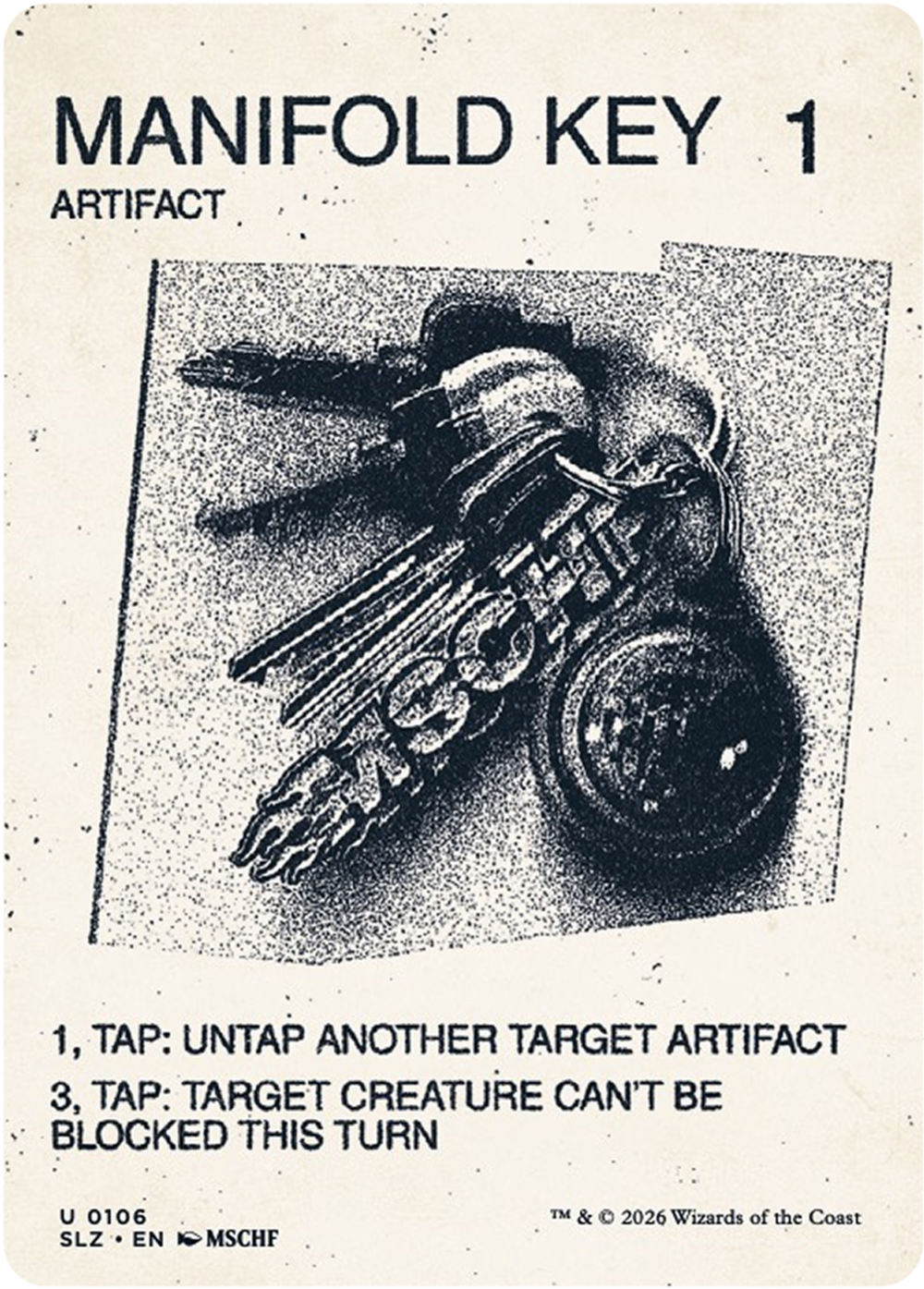
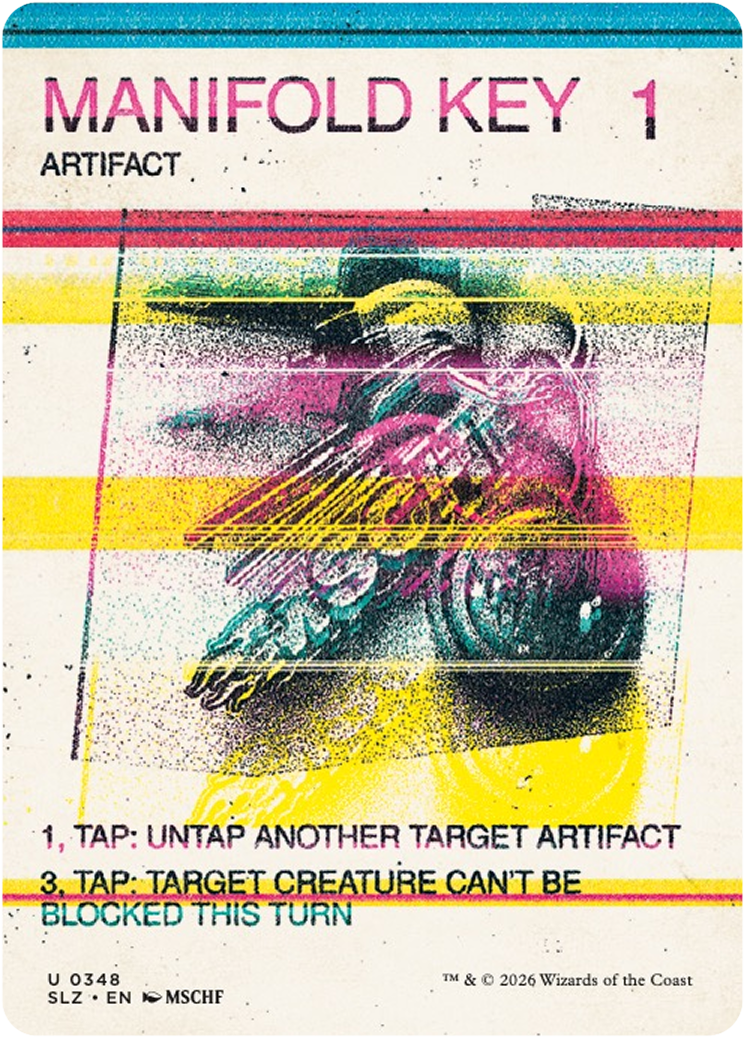
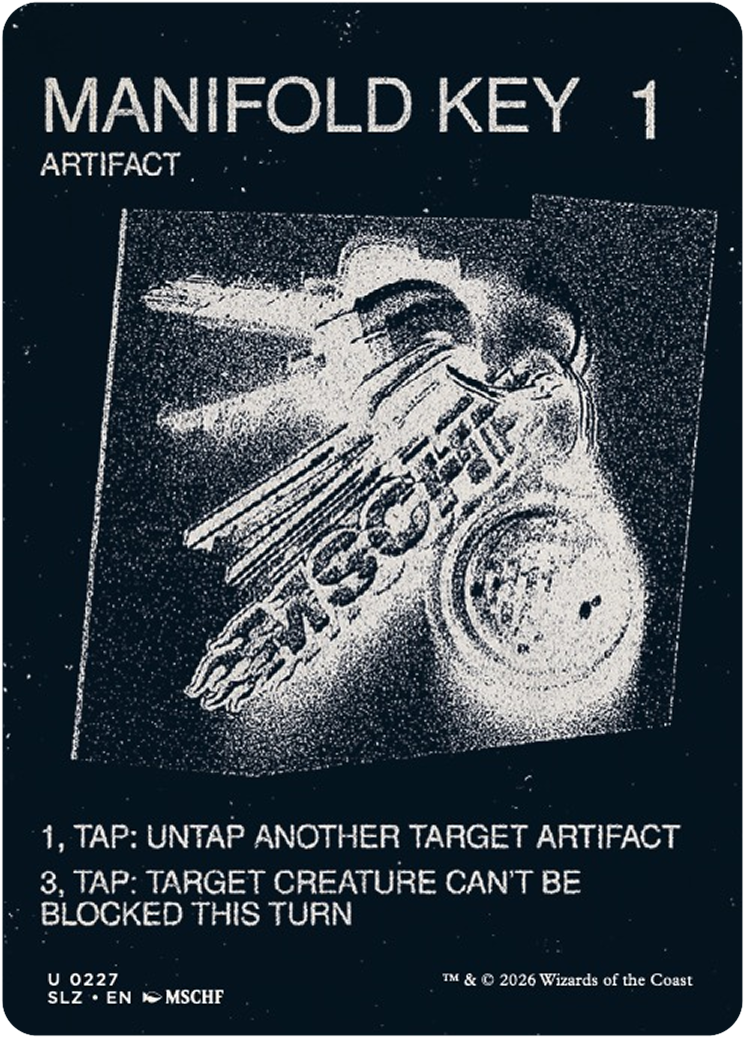
Zeta Set will feature three treatments (L to R): Photocopy, Color Banding, and Negative | Credit: Wizards of the Coast / MSCHF
Whatever happened, the article’s only scrap of credulity comes from a flaccid passing of the buck to players: “Whether randomized boosters become a recurring part of Secret Lair may depend on how players respond to this first experiment,” Plante wrote. That’s true only because Hasbro’s modern version of MTG, here in the Universes Beyond era, is defined by compulsion-driven fandoms mixing with dominant play formats where nearly everything is legal — and thus necessary. As one article commenter put succinctly, “I will definitely buy it, but I will absolutely not tolerate this business practice.”
The article showcases why I avoid previews: you can’t honestly discuss a game that doesn’t exist yet. You may talk about the conditions under which it is produced, or the team tasked with creating it. You can invoke the studio’s past successes and failures, fixing the new initiative in a historical context. You can even ask after their intentions so that future readers can refer back to a published record. But this article does none of those things, instead only providing a platform for the most profitable company in the tabletop industry to manufacture consent for its latest exercise in squeezing blood from rocks.
As philosopher Terence McKenna once said, and which was immortalized in me by the Waypoint crew, do not give in to astonishment.