Radio Hour: Illiteracy and Jedi
Reading at bedtime is confirmed as GOATed.

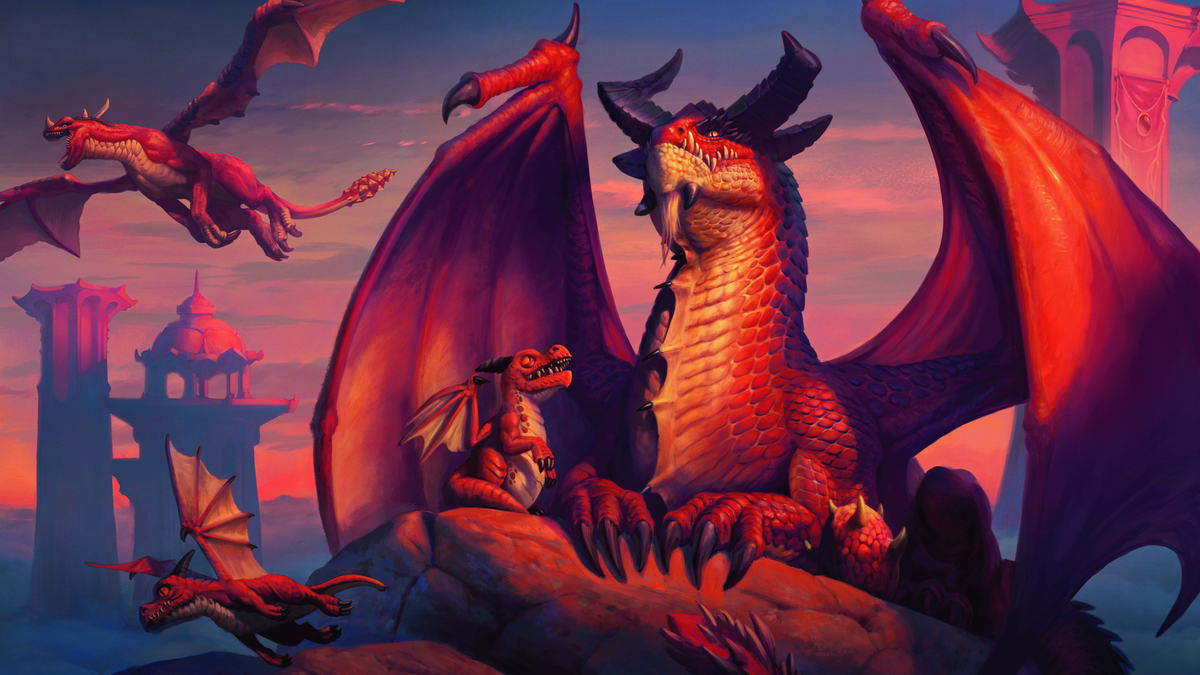
Episode 46 of the Rascal Radio Hour invites tabletop reporter and critic Samantha Nelson to discuss her recent coverage of Dungeons & Dragons: World of Warcraft. Built to send d20 diehards to Azeroth (and vice versa), this first foray into licensed IP by modern Wizards of the Coast raises both eyebrows and questions among the crew. Sam really enjoyed it despite obvious scope limitations because it focused on group dungeon content. Chase wondered at the snakey lineage between WoW and D&D, especially the maligned fourth edition. Thomas is dubious this same success can be replicated within Star Wars.
Later on, the crew discuss the games that have made their way to the table lately. Thomas is carrying on with Silent Titans and regales the others with tales of hypergeometry and sentient, loathsome highways. Chase opened a Fallout Factions starter kit and stared straight in the face of many possible futures, all of them expensive. Sam prepares for her first full campaign of Draw Steel and leads everyone into a discussion of tabletop RPGs that do WoW better than the new, official book.
Find Rascal Radio Hour on Apple, Spotify, and other various podcatchers. Leaving a five-star review helps new listeners find our show and website. Since we eschew traditional advertising, any reviews and word-of-mouth are genuinely a massive help. Also, our tip jar is a great way of supporting the website and helps us improve this show alongside all our other projects!
Here's an excerpt:
Samantha: I was very pleasantly surprised by this book. Obviously, D&D has done tie-ins outside of what is the core worlds before. They've done some things with Stranger Things, they've done with Rick and Morty, and they've done some things tying into Magic: the Gathering's worlds. But this is the first in a ne campaign called Universes Beyond, which anyone who's played Magic will be all too familiar with. It's this huge money-making strategy that Wizards of the Coast has has created to license every big IP under the sun to become Magic cards.
World of Warcraft has always been, I think, one of the most natural links to Dungeons and Dragons. And so, it's a good place for this to start. Their next one is Star Wars, and I have a lot less faith in how they're gonna pull that one off. But I've always enjoyed D&D as a high-level, zany exercise in playing fantastic heroes in a world that's extremely complicated. Because I think that D$D breaks at, I don't know, say basically level five or six in most versions of it. After a certain point your plucky adventurers trying to protect a little town run up against the point that, now they're extremely powerful. And then, what is actually a threat? Is it just a bigger horde of monsters?
Whereas, in a world like the Forgotten Realms or World of Warcraft, the answer is that there's always a bigger fish. There are arch mages and demon invasions and sleeping gods and all sorts of endless nightmares for you to deal with. Then, go back to the tavern and talk about it. I think that they really tried to capture that idea [in D&D: World of Warcraft]. This is a book that is very geared towards high-level play in a way that very few D&D books have been before. Fhe most part, they're catering to the audience who doesn't usually get above level 10. So, here's a book that says, no, these are bosses for your level 18 party or even post-level eighteen, post-level 20 party to take on — extremely dangerous foes who are more powerful than anything that [WotC] has printed, including Vecna: Eve of Ruin, which was their probably biggest high level campaign before.
Chase: I find the intellectual exercise of World of Warcraft within D&D interesting for a lot of reasons. I've been jumping back into WoW: Forever, which is a sort of going back to the beginning again but with a different team and a different philosophical mission. But trying to port the WoW experience into D&D is fraught because it depends on what kind of WoW experience you're talking about. It was smart that they focused on the group content, the dungeons and even outdoor raids where you're going up against elite enemies. Otherwise, the WoW experience can be, and is for a lot of people, a solitary one. It is solo leveling, it is crafting, it is chasing achievements.
But I'm curious about what the early levels feel like. If you're making a campaign, are you starting at level one? And if so, what are those early levels like? What is the experience of characters who have almost no abilities at the beginning?
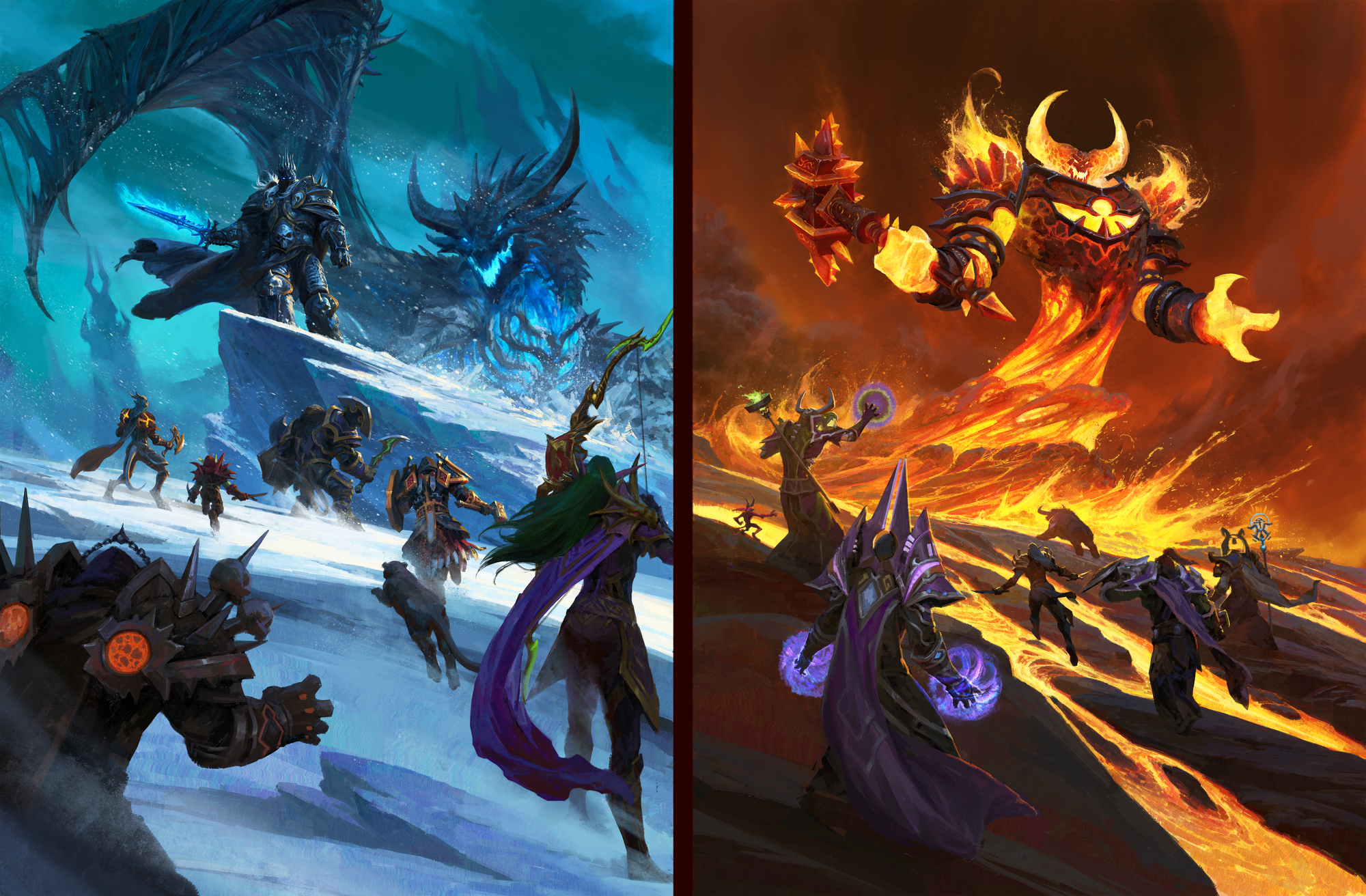
Samantha: What they have done is qcreated a bunch of different subclass ideas and,for the first time, heroic subclasses, which are trying to get at the idea of your death knight and your demon hunter — things that wouldn't start at level one. But then they're like, but you can start at level one. I honestly think that was a mistake. They should have committed one way or another. As it is, the book makes the language very confusing for anyone who hasn't played WoW and doesn't know. I wound up writing all the D&D: WoW stories for Polygon because I'm the only one who both plays a lot of WoW and plays a lot of D&D.
Your level one is funny enough, kind of reminiscent to your level one WoW experience. You're gonna go through the Deadmines, you're gonna fight bandits and try to protect farmers. Or, if you're Horde, you'll deal with run amok centaurs and fight to protect the Barrens. They do support having Blended parties from the get-go of Horde and Alliance. They've got a bunch of different adventure hooks that can take you from level 1 through 20, and they go through a lot of the different eras of WoW. You can have a Dragonflight campaign where you start off by treating with the with the dragons and dealing with the looming threat of Deathwing, or you can have an old gods campaign where you start by fighting Twilight cultists and then learn more about what's going on. Eventually, you have to go into the Black Temple and deal with what's going on there.
One of the things where their ambitions didn't quite get there in the books, but I loved the idea of it, is they tried to get across WoW's crafting. In D&D, crafting is very focused on what spells you can cast, having the right magic person cast haste to make your boots that will let you be faster. Whereas in WoW, everyone can craft. It doesn't matter if you're a spellcaster or not. If I have proficiency in blacksmithing, I could gather some common and rare materials, and: congratulations, you can make magical weapons, even if you're not a wizard. I really like that. I know that people who play artificers or wizards might be sad because it'll make them feel slightly less unique snowflakes.
Thomas: I read something interesting, which was the difference between bringing World of Warcraft to D&D and bringing D&D to World of Warcraft. You wouldn't be wrong for assuming that the project was trying to give you a WoW experience at the tabletop. That's how they talked about the project. But now they're talking about it as if the project is actually it's meant for people who want to play D&D in the World of Warcraft universe, right? That's what they feel they have achieved better and have given the tools for that. I think if you're a big MMORPG person and you want that experience at the table, they are less successful at that. And they're aware of that, right?
Sam: I absolutely agree. And and I think that from the get-go, they were never trying to create a video game-y experience. They treat Azeroth the way they would treat another D&D setting, like your Eberrons or your Ravenlofts, just this rich world where you can interact with these powerful NPCs and solve these specific types of problems and go to these various zones that people like and enjoy an absurdly long and complicated history. You go through this book, and it's not only going through every WoW expansion and explaining how the world was changed after the cataclysm, but also going through the 12,000 years of WoW history: the curse of the old gods, and the curse of flesh, and things like that. So, there's a lot of lore. It does feel like reading a one of those Forgotten Realms books where you're also dealing with like 50 years of tie-in novels and various designers' pet characters.
Thomas: Twelve thousand years is close to your playtime, right, Chase?
Chase: Har, har... but yes.