The Meow Wolf RPG takes the rule of cool to extremes
Designer Tiger Wizard answers questions about TAVERS, the newest vibes-heavy, rules-light game from Exalted Funeral.

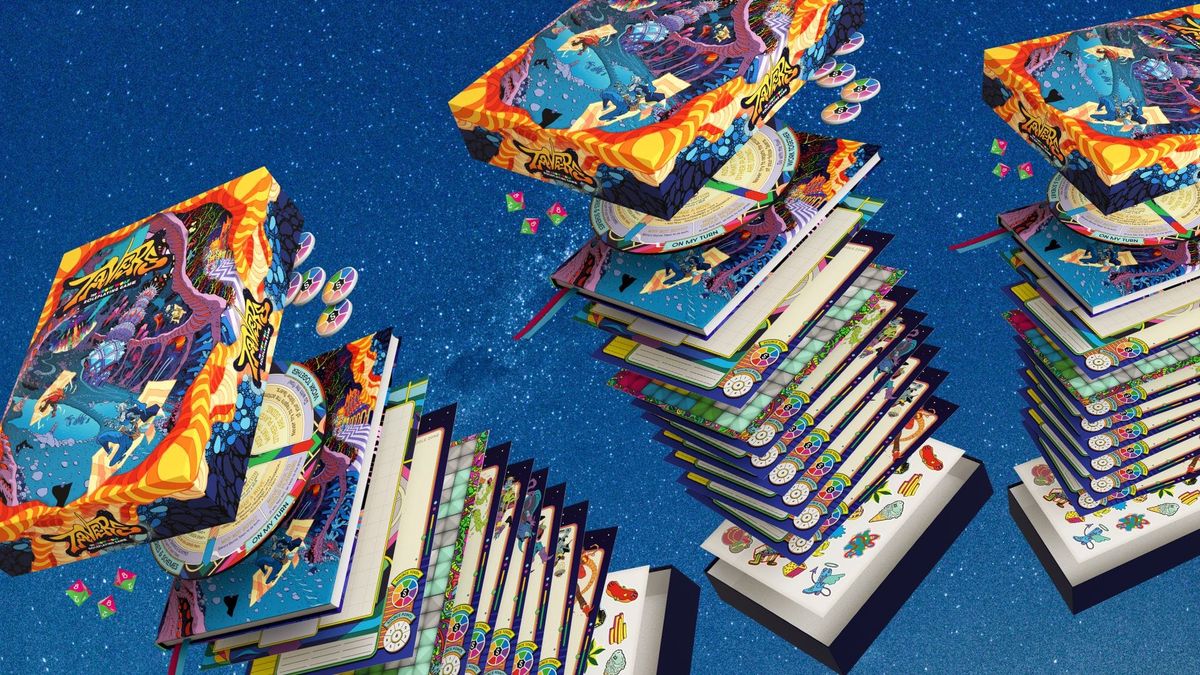
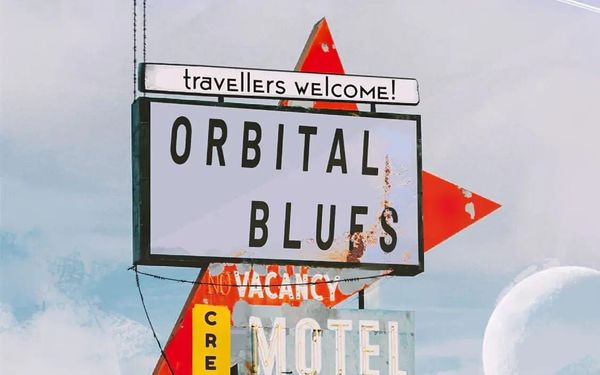
Meow Wolf is a series of artist-forward immersive experiences, which originally started in Santa Fe. It's now popped up in five cities and will be in LA and NYC later this year, and at first blush it doesn't seem like an intellectual property that would license with a tabletop game. But with playfulness, curiosity, and exploring immersive spaces at the core of Meow Wolf's ethos, the connection becomes more clear.
Currently, the Meow Wolf-inspired/licensed RPG is called TAVERS, and is in the last hours of a successful crowdfunding campaign. The TAVERS RPG represents an interesting break from the typical OSR-style hack and slash games that Exalted Funeral is well known for; showcasing a more narrative-focused gameplay loop and building on the zaniness of the Meow Wolf brand.
Rascal was able to set up an email interview with Tiger Wizard (also known as Andrew Bellury), the lead designer on the TAVERS RPG. Tiger Wizard is primarily an OSR designer and has been working at Exalted Funeral as a game and graphic designer. TAVERS represents his largest and most experimental foray into game design, and his responses clearly position TAVERS in curiously speculative and fascinatingly collaborative territory.
This interview has been edited for clarity.
Codega: How do Tavers ground themselves in this multi-versal world?
Tiger Wizard: Many of my answers will likely trend this direction, but the choice of how and if a character grounds themselves in some way will be up to the player, and in a way, up to the group. Everyone comes from somewhere, but you’re not explicitly required to share that information. Tavers are beings that seek to discover new peoples, places, things and ideas. New noun seekers. This exploration defines them, and the story of these discoveries shapes them.
Codega: How do you make each plane of existence unique? As they Tave their way through realities, what creates coherency? What keeps them from forgetting who they are and what they want?
Tiger Wizard: Each world that the players Tave to has some connective tissue that binds it to the last. As you travel farther and farther away from your starting point it may grow a bit thin, and yeah, you could easily forget who you are (a problem many Tavers have experienced in the past) and fade into memory. What you want however, is baked in from the start with your Taver Flavor.
Codega: What were your game design inspirations?
Tiger Wizard: The main inspiration came from the design and interaction of the Meow Wolf physical spaces. I’ve used systems and designed mechanics for TAVERS influenced heavily by: Mausritter, Tetris, Brindlewood Bay, Ironsworn, Mythic Bastionland, Fate Accelerated, Dreamland, Knave 2E, and plenty of other modern storytelling games.
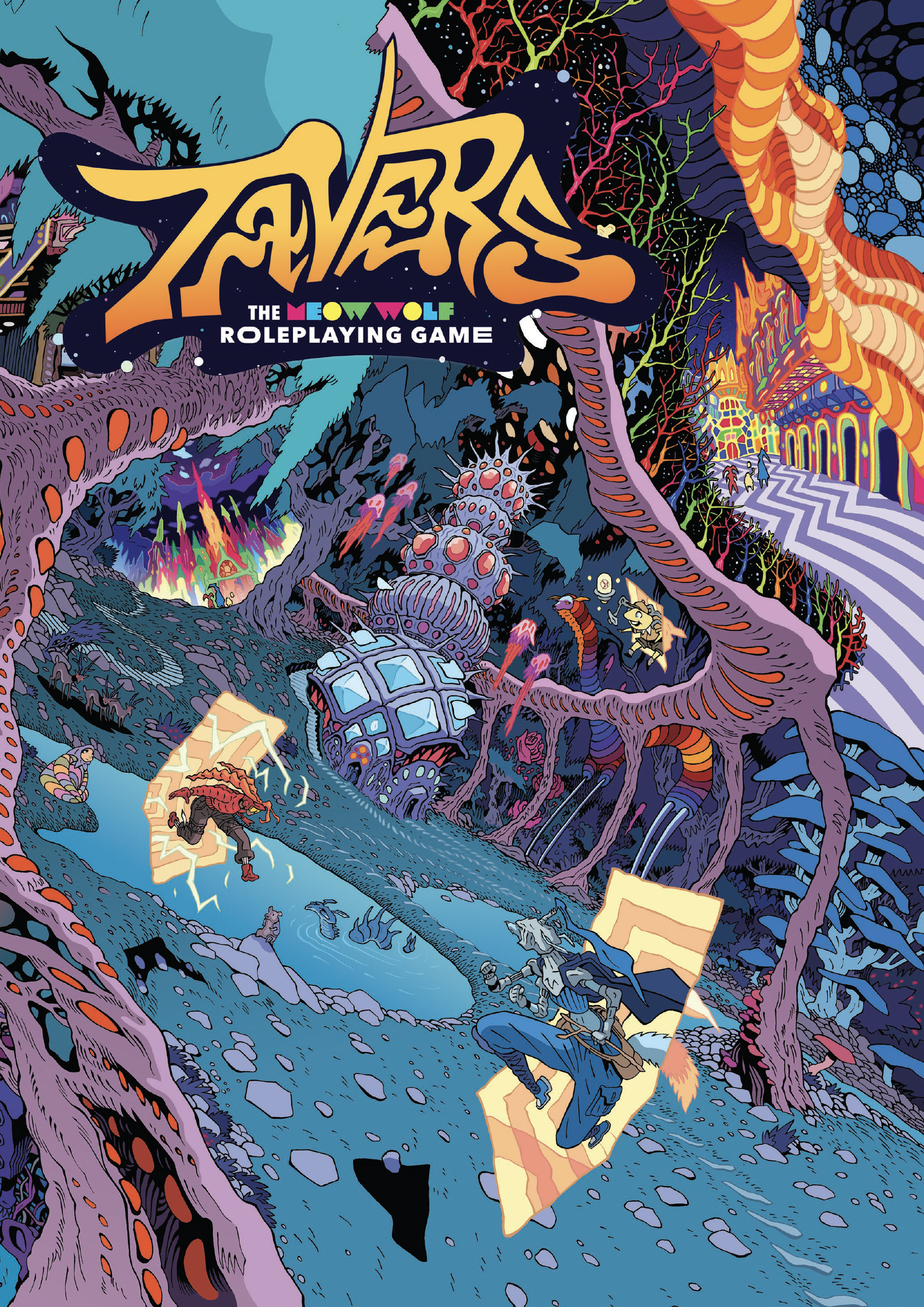
Codega: There’s a lot here that seems, for lack of a better term, kind of zany and quirky. What was the thought process behind naming sessions “Episodas” vs “Episodes?” or, another example “Itemtronicals” vs. “Items” or another more standard identifier like loadout, carry, etc.
Tiger Wizard: This is pure Meow Wolfism. Taking something familiar and bonding it to another object or idea to twist it into something new, and yeah, zany. Many of these instances are Worges. (Word + Merge = Worge.) So, Episode + Soda = Episoda, because the Episodes are illustrated as bottles of soda in the Fridge of contents. We skipped the hassle of taking the meal to the table, and are eating straight from the icebox. Item + Tronical = Itemtronicals, because the process of placing your items symbolically replicates tuning an instrument, etc.