Fatherfog’s creator loves scary fairy tales to bits
Mothership studio swaps empty space for creeping mists.

It makes sense to assume that the name for Tuesday Knight Games’ latest tabletop RPG, Fatherfog, is a joke. This is the same studio that designed and published space horror sensation, Mothership, after all. But lead designer (and psychology professor) Alan Gerding assured Rascal, po-faced, that it is as sincere as a game’s title can be.“Until now, I've been wholly ignorant that anyone would think it to be a gag title. I should probably be used to a question like this considering I came up with the titles Two Rooms and a Boom, [and] That's Not Lemonade, and had a hand in the development of World Championship Russian Roulette,” Gerding told Rascal via email.
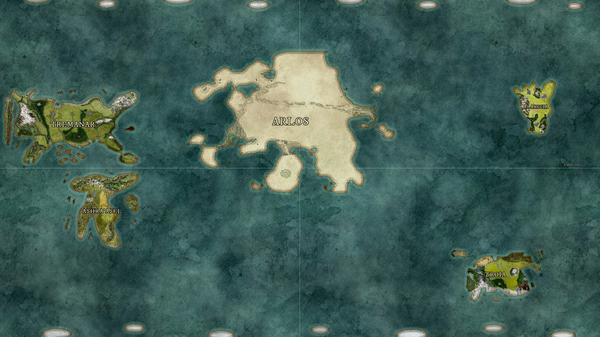
Fatherfog trades its sibling’s science fiction predilections for fairy tales without losing the horror. Its world is smothered by an unnatural fog of unknown origin that spawns monstrous creatures and other inexplicable phenomena that terrorize local populations. Gerding decided against calling the RPG “The Fog” as it evoked too much John Carpenter and ghost pirates. He also didn’t want to include “fairy tale” in the title and unintentionally advertise the wrong tone. This is a game of mystery and suspicion, not happy endings and bright fantasy.
So, Fatherfog. Gerding is partially trading on the name recognition of Mothership, of course, but it long ago diverged on its own path. The designer said he and Sean McCoy were playtesting a tabletop RPG Gerding created “as my compliments and criticisms to Warhammer Fantasy Roleplay”, which he considers a big inspiration. That early version used a d100 system, limited character attributes, and leaned hard on the consequences for failing dice rolls — which were meant to be "frequent but fair.”
Read the rest of this article by subscribing at any tier (even free!), which supports independent, worker-owned tabletop journalism!
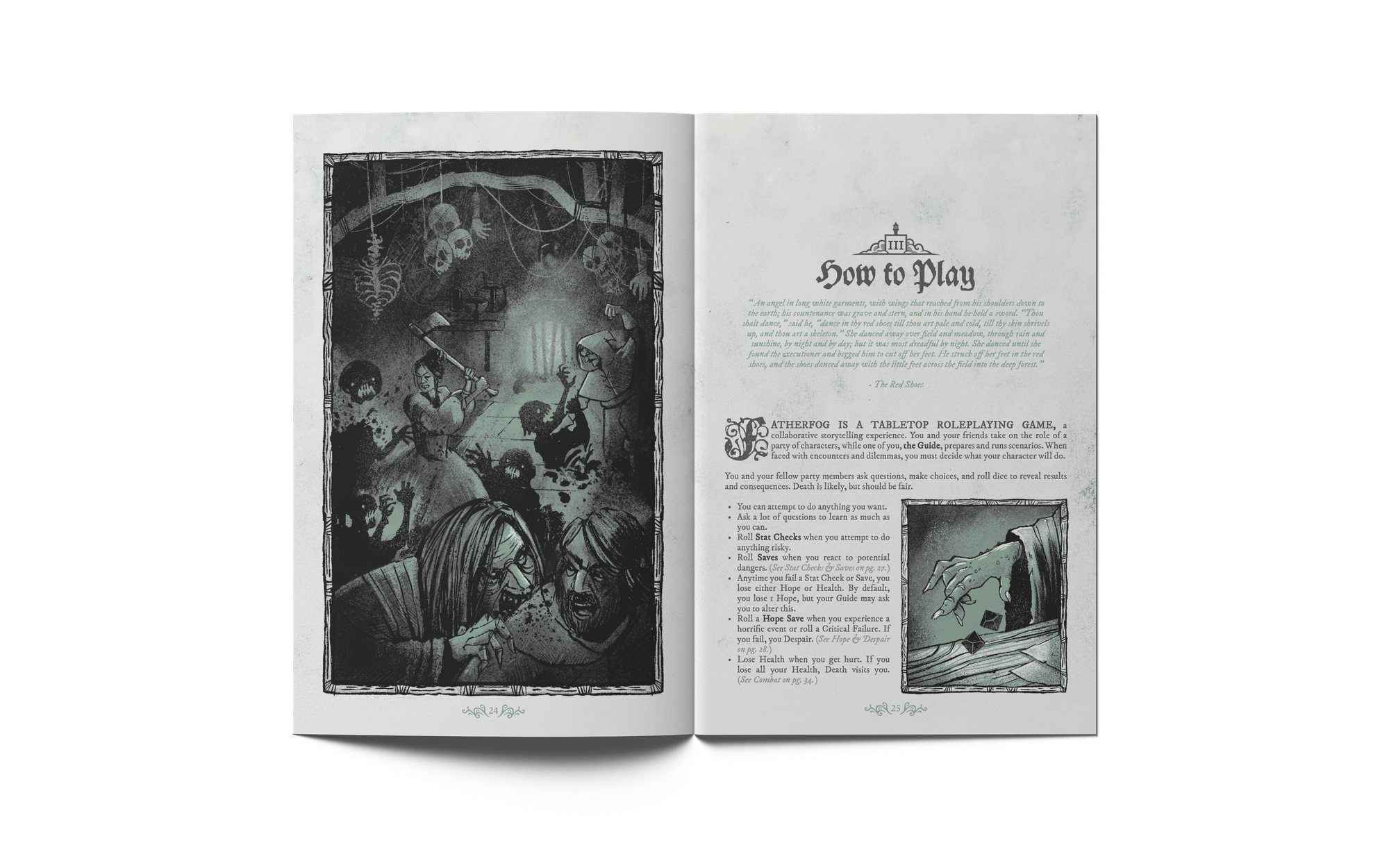
Gerding claims that one session spawned a mutual love for roleplaying horror and became the subject of countless conversations between he and McCoy regarding how to build that feeling into a full game. His studio cofounder finished first, releasing Mothership in 2018. Gerding noodled longer on his ideas, which have now been percolating for nearly 20 years. Instead of the Panic Engine, he developed the Bit system, which uses the ones result from a d100 roll to winnow characters’ Hope as they traverse the Fog. There’s less reliance on dice rolls overall — the Guide never needs to throw any — and the core book will feature only four archetypal classes, the Worker, the Philosopher, the Stranger, and the Hunter.
Losing hope is mechanically similar to gaining stress and reaching a breaking point — Despair, in Fatherfog’s case — when the player witnesses something devastating such as death, otherworldly nightmares, or a truly dismal dice roll. Anyone who has played Mothership will grok what Fatherfog asks of a group, which Gerding likens to speaking Spanish versus Portuguese. But it’s the application of these mechanisms to a gnarly, oppressive setting that highlights what makes this new RPG unique, much of it inspired by Gerding’s childhood fascinations.
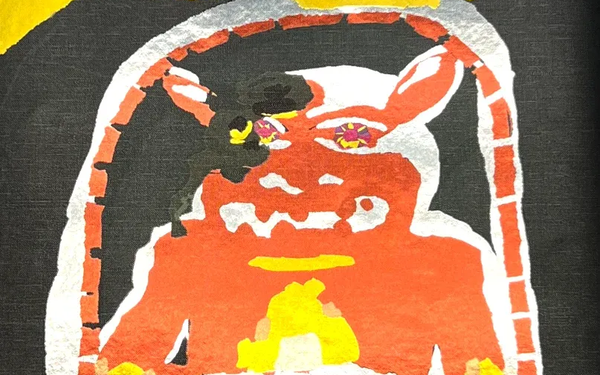
“When I was a child learning how to read, my Nan and Gramps gifted me The Juniper Tree. This was a collection of Grimm’s Fairy Tales illustrated by Maurice Sendak. I thought they made a mistake, not knowing what kind of stories they just gave my developing mind. Beheadings, dismemberment, demons, incest, and horrific monsters were common within, and I needed to read them all before the adults found out,” Gerding said. “Any roleplaying game I've ever played, I've always wanted to replicate the feelings I felt in my Nan's attic bedroom reading The Juniper Tree. In Fatherfog, players are not the main characters of classic fairytales, but are the unfortunate citizens one might find in the background.”
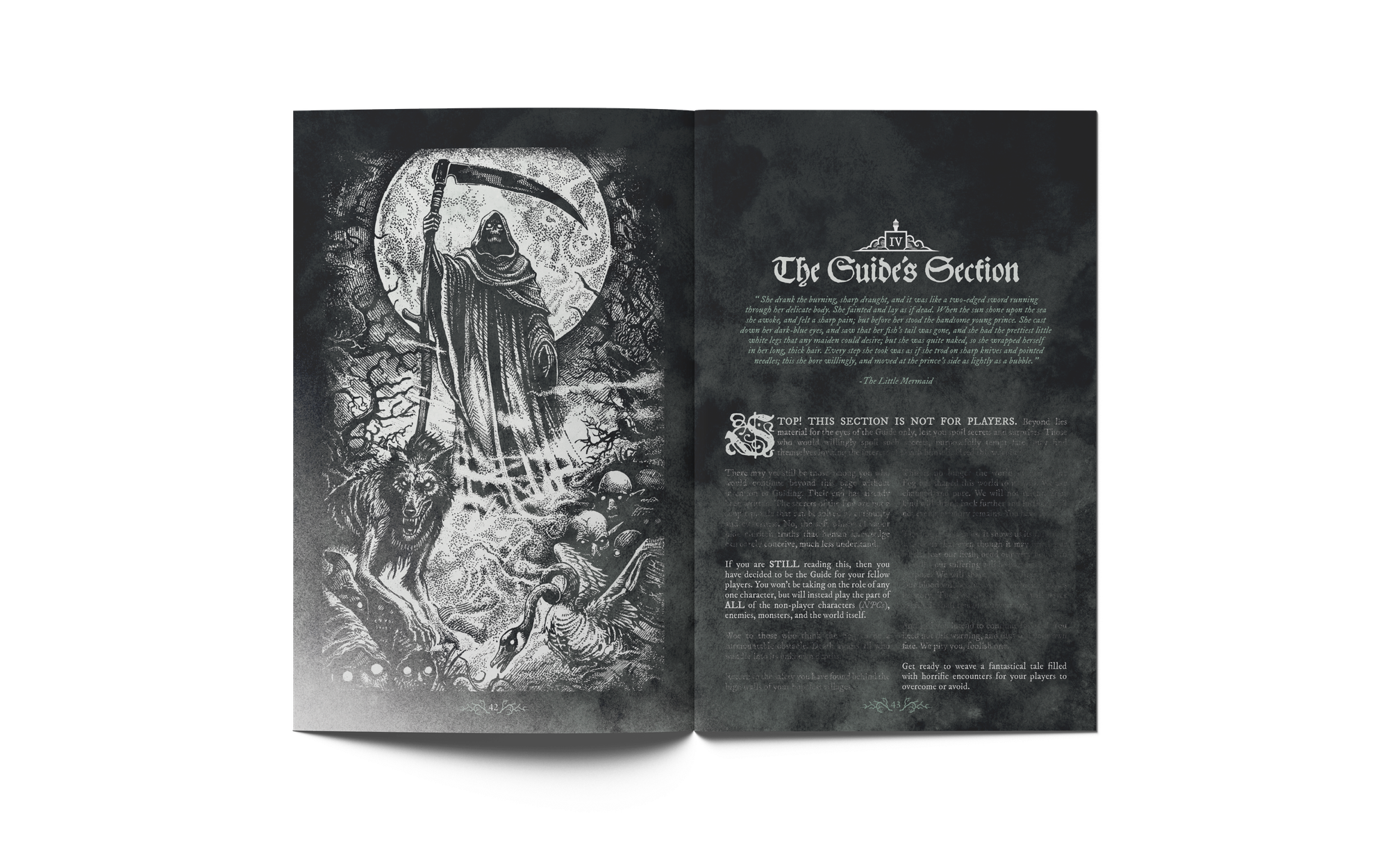
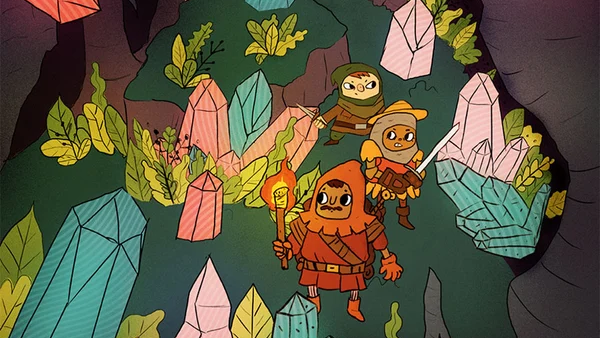
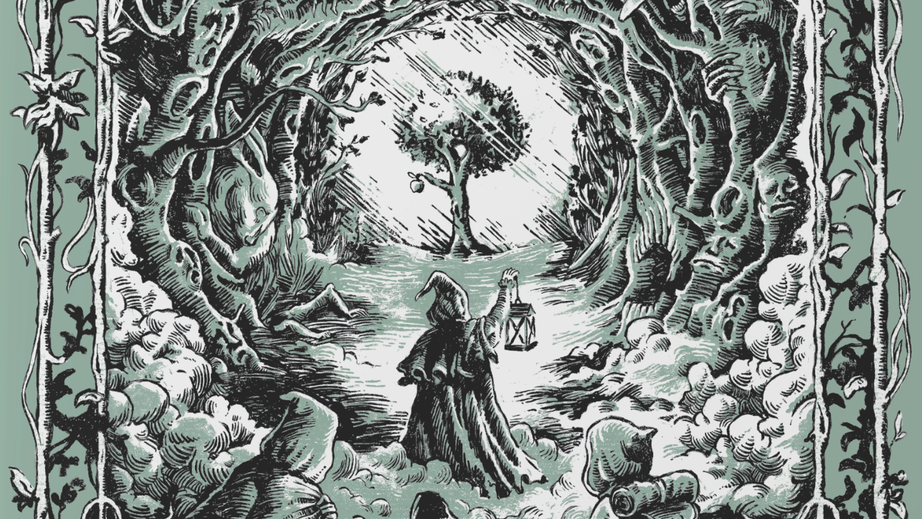
Creative director Adam McIver is responsible for creating illustrated windows into Fatherfog’s grim tales. The ashcan document, currently available as a free digital download or a physical Zero Edition (or 0e) zine on Tuesday Knight Game’s webstore, evokes the look of a classic fairytale book — but littered with hidden details and unsettling techniques that emerge if readers linger too long on the page. “It's beautiful, but something is always off,” Gerding said. “In Fatherfog, your knowledge of fairy tales is the same knowledge your characters have. However, your knowledge may be inaccurate as the tales as you know them may have been twisted. The art should reflect the familiarity with the corruption of the Fog.”
The 0e zine is a “sampler” of a true first edition RPG that Gerding has been developing for years. The team hopes that sales of the ashcan builds demand ahead of an as yet-unscheduled crowdfunding campaign. “If I am privileged enough with the opportunity to release 1e after many have played 0e, I fully intend to to under-promise a timeline in order to over-fulfill,” he said, referencing Mothership’s own rocky road to public release. The COVID-19 pandemic did not help in that instance, but a vibrant third party creator ecology did.
It’s a facet of Mothership’s legacy that Gerding wouldn’t mind mirroring, but he knows it’s not so simple. The designer is eager to meet players at their interest, mentioning themed crowdfunding months, “massive immersive living community games”, and support for writers and designers who love his world. But he’s not interested in preemptively forcing himself into that space. Ultimately, Gerding just wants to share the specific flavors of dread and horror that have consistently brought him back to the table for decades.
“TTRPGs have always been my primary love. I have more hours in roleplaying than I have doing most any other form of entertainment,” he said. “A huge staple of my design ethos has always been experiential gaming. To me, games are there to create lasting memories with friends. They are a social lubricant meant to bring us all closer together, not tear us apart or waste our time.”