After Grimwild’s creator disappeared, the RPG’s community banded together to design their own free edition
Stepping into JD Maxwell’s shoes, and out of his shadow.

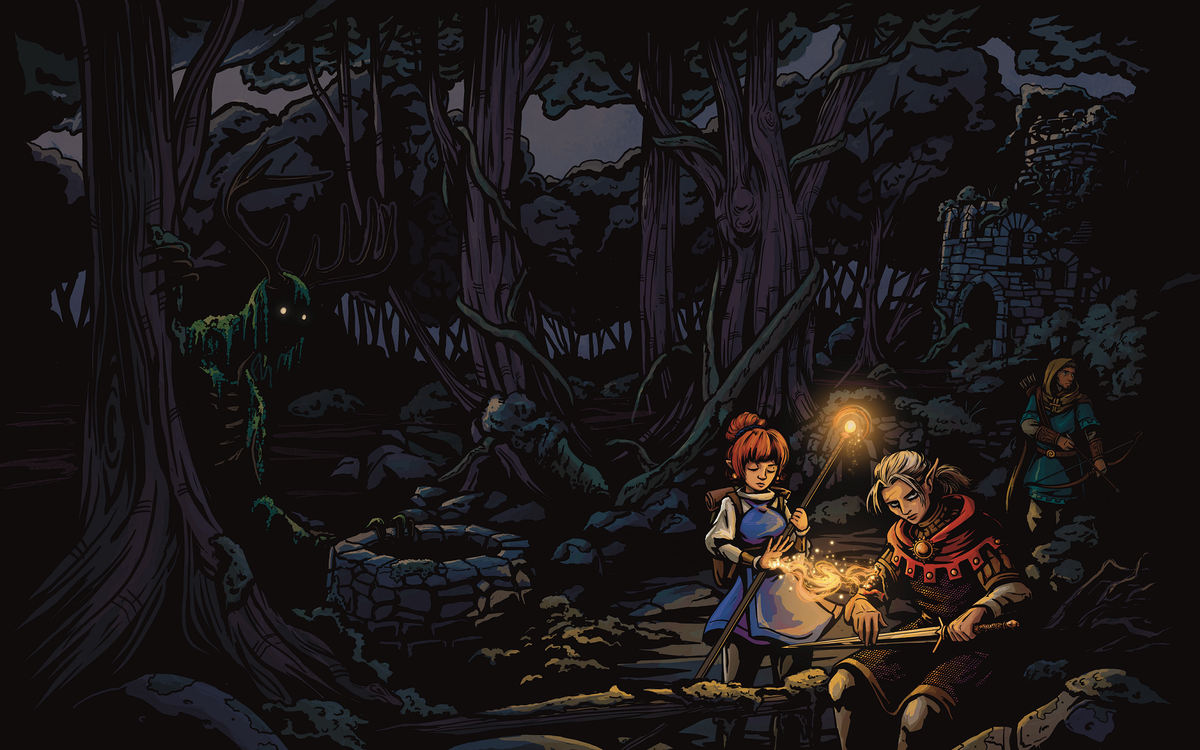
When Grimwild creator JD Maxwell disappeared in mid-2025, the community was thrust into upheaval. Heady discussions among a tight-knit circle around the tabletop RPG’s at-times arcane mechanics and tips on running games were soon eclipsed by endless conversations regarding Maxwell’s whereabouts and his unfinished projects. These unfulfilled Backerkit rewards from the Grimwild crowdfunding campaign, which include the upcoming western-themed The Wild Frontier of Venture, were built on his Moxie system. “From everything that we know, [his disappearance] doesn't seem like it's malicious, but we chased all the ends we could, and really just couldn't find anything on it,” said Chancey “Groov” Scott, one of the moderators in the Grimwild Discord server, to Rascal in an interview. “But it's a great game, and a great community [has] formed around it, and we really just wanted to make sure that we kept it alive.”
That community has now embarked on an ambitious project: create an updated version of Grimwild that’s designed by a collective and is “owned by no one, free for everyone, forever.” With Scott as lead designer, the team wants Grimwild: Community Edition to be more approachable, balanced, and fun for both new and existing players. “The design process was entirely open and communal, with an overseer team of [around five to eight] members, where anybody could join the Discord and start posting designs that could make it into the book,” said Matthew Andre, designer and community member, in an initial email to Rascal. “Six months later [...] we've finished the massive overhaul and are waiting on art.”
It’s a move that Maxwell himself likely would have approved, at least to an extent. Grimwild was released under a Creative Commons By 4.0 license, which allows the game to be distributed and altered in any medium or format as long as the original creator is attributed. In an interview with tabletop RPGs reviewer Dave Thaumavore from January 2025, Maxwell mentioned that he loved “the idea of people remixing, reworking, or building on my games.” Maxwell cultivated that same ideology within the RPG’s community by freely discussing his game design when he was still an active participant in the Discord group. Juniper Bloom, a designer who worked on the Community Edition, told Rascal that Maxwell was excited to see that the Moxie system was growing beyond Grimwild, with players crafting their own games upon the system. “[Maxwell was] having these discussions, the same kind of discussions that we've been having the whole way through,” she said. “So, when he disappeared [...] it's not just him that was on this trajectory; it was all of us going on that same trajectory. We just kind of kept going.”
It’s easy to imagine that making a game alongside at least a few hundred players is, well, not a straightforward task. The design forum was created within the Discord server, with anyone free to post suggestions about tweaking the game, or bringing up issues with the original. Several surveys and polls were also distributed among playtesters to pinpoint persistent issues that players wanted fixed — these results served as initial starting points for updating Grimwild to the Community Edition. “Over the two years that this Discord was up, we definitely had a few common themes of things that different people [were] asking the same questions about.” said Bloom. “That, and the surveys, were really helpful especially because, with a survey, you might get feedback from someone who maybe isn't comfortable posting something publicly in the server, but [they] definitely have experience playing the game.”
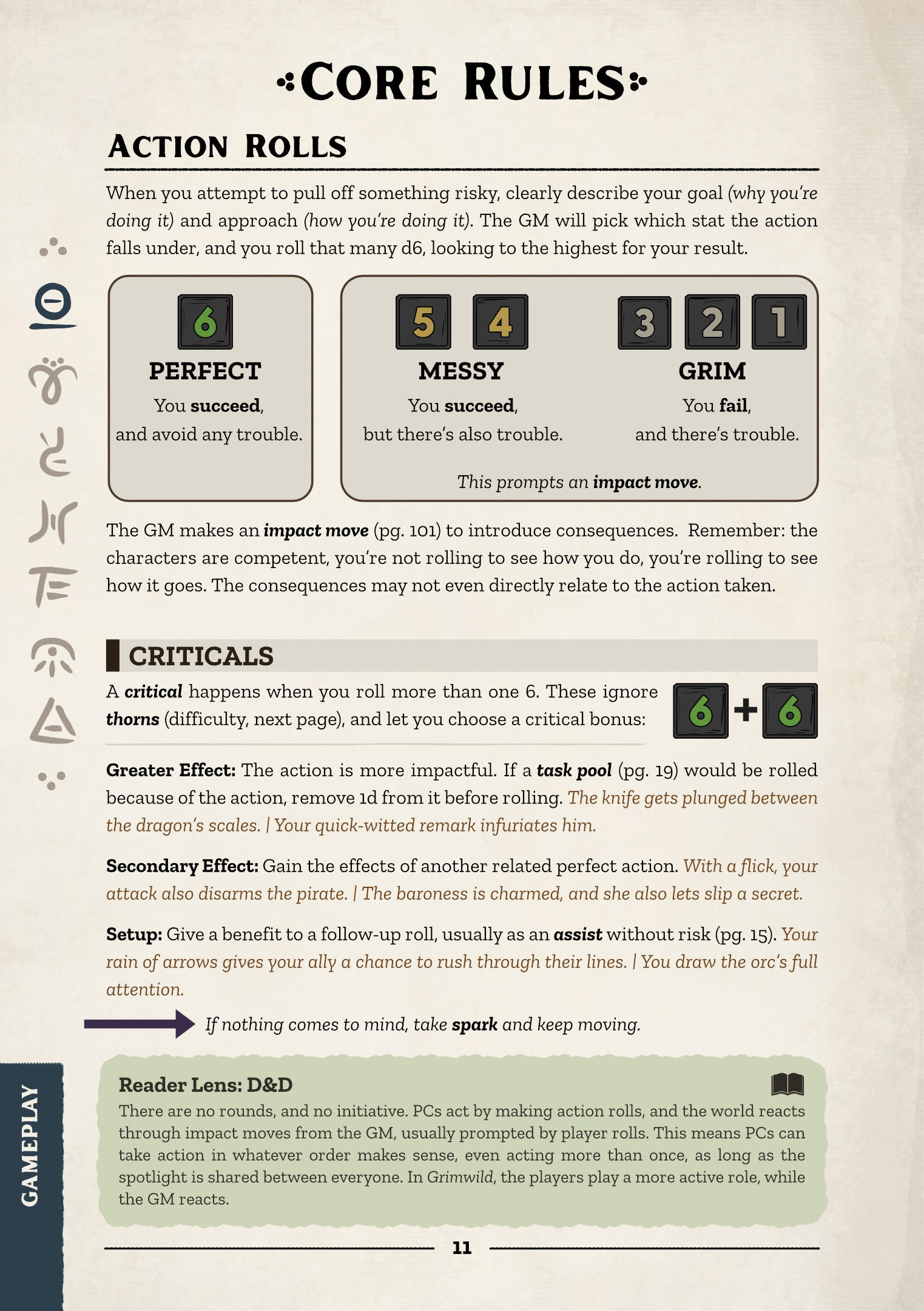
At first glance, the most immediate difference between Grimwild and the Community Edition lies in their comparative volume. A common feedback was that the original RPG’s text was too dense to read, given that the words were divided into two columns per page. The Community Edition’s layout, on the other hand, is an easier read with just one column per page. Rules, too, have been tweaked for clarity, simplicity, and balance with both rewritten and expanded explanations for the core mechanics. One of the most nifty inclusions in the Community Edition is the “Reader Lens,” a small segment that explains the rules within the context of other RPGs; for instance, vantage in Grimwild is very similar to fictional positioning in Forged in the Dark games. “One of the core pillars was to lower the threshold of entry for this to make sure that we could actually have new players,” said Scott. Five new classes, too, were introduced, while several original classes and the Arcana — rare artefacts infused with magic and power — had been overhauled.
Copious feedback about Grimwild’s immense difficulty led the community team to ease its lethality. In one play test of the Community Edition, a player made two bad rolls and was taken out of the game — dropped, according to Grimwild lexicon — by attacks from two goblin archers. Several members realized that the game was not only too deadly, but also could be pretty boring for unlucky players. “He was just out for like, half an hour and couldn't do anything,” Bloom recalled, laughing. “We're supposed to be strong adventurers here.”
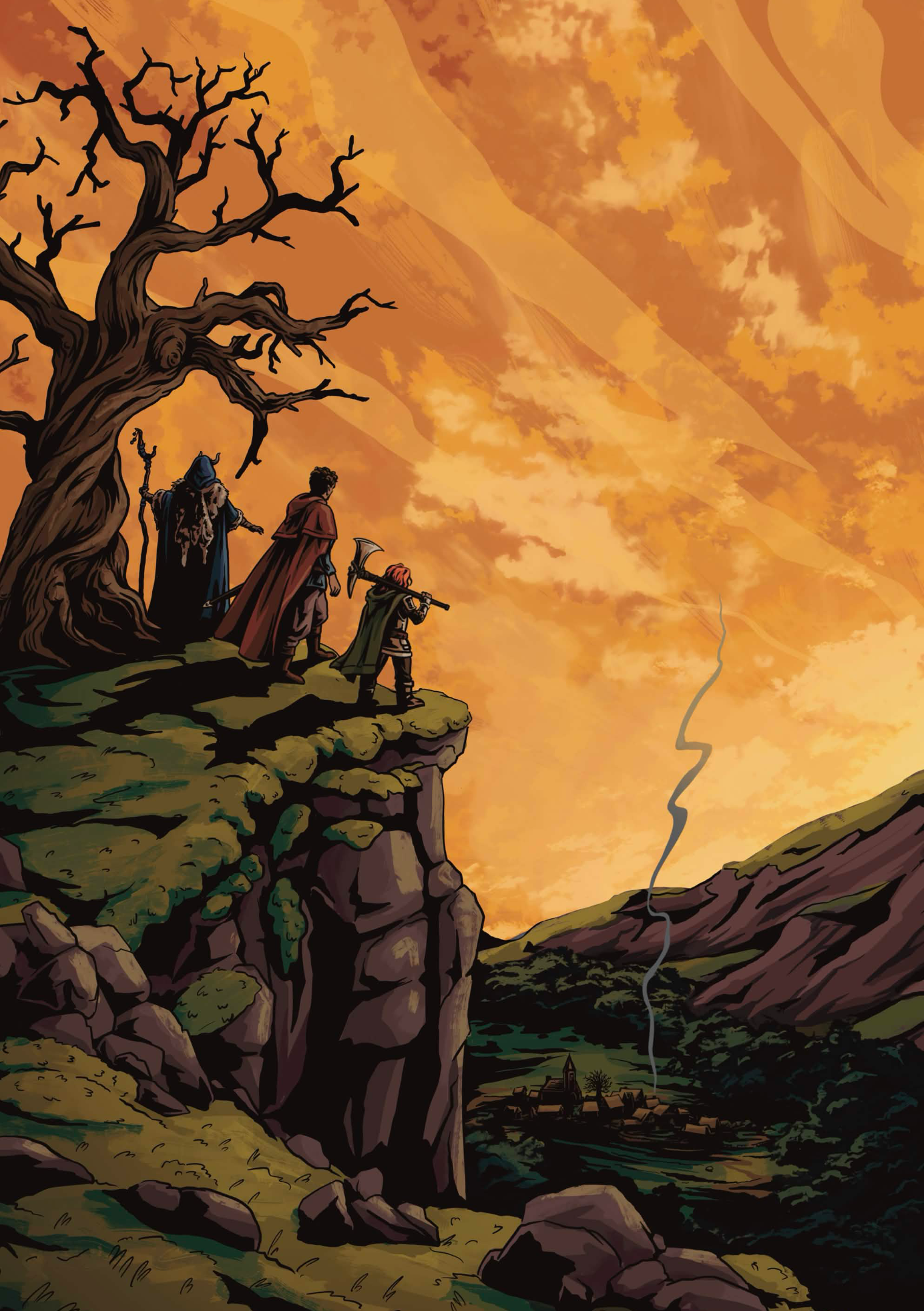
With so many people collectively refining the Community Edition, cementing what approachability, balance, and fun exactly entailed was a sizable problem. Part of the challenge derived from trying to understand Maxwell’s original vision for the game, which could feel like anthropological guesswork. Neither the core design team nor the community held a comprehensive understanding of Grimwild. The original book is filled with esoteric terms and also contains several conflicting rules; moreover, Maxwell shared that he designed Grimwild with “experienced RPG groups in mind” in the interview with Thaumavore. What the community eventually agreed on was characterizing Grimwild as a heroic fantasy game — one that is big on cinematic moments. “That's something we really tried to strive for in this. [It] was staying true to that quick, easy, smooth to play, but still giving the same kind of feeling that the other big game — they shall not be mentioned — kind of feel,” said Scott.
Evoking D&D’s genre without aping its structural flow wasn’t easy, but the team achieved it by preserving several core elements of the original Grimwild. One of these was speed of play, an aspect that Maxwell apparently fixated on. Then there’s the core dice pool mechanic, in which players roll a few D6s and choose the highest number to determine the outcome; thorns, which lets the GM add eight-sided dice to the player’s pool for more challenging tasks; vantage, a character’s frame of reference; and diminishing pools, which utilizes a group of D6s to track the progression of tasks and events, and the amount of resources and time left.
That last tool, in particular, proved divisive within the community. “It's very core to the system and also pretty controversial,” said Bloom. “But that's definitely something we couldn't take out of the system, so we had to figure out ways to work around that, like how do we make this work better at the table? How do we build into the strengths of these diminishing pools mechanic without making it weird?”
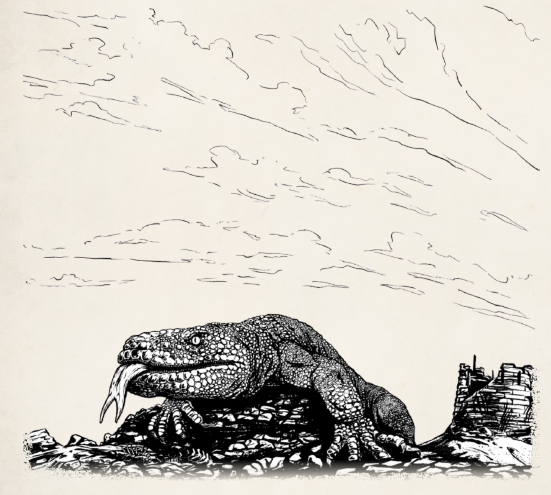
Such a communal approach to game design meant that many suggestions were left on the cutting room floor. Proposals were created and iterated on for as frequently as 12 rounds, with several early versions eventually scrapped. When faced with a design problem, members would consistently refer back to previous proposals, realize that a prior idea was effective, and then integrate that into the current iteration. For a project of this scale, it’s impressive that there weren’t any major arguments (“Nobody [was] outwardly getting fed up and leaving,” said Andre), although Andre pointed out that didn’t exclude heated discussions over “almost every single thing.”
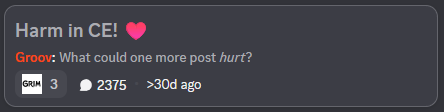
Take for instance the damage system in Grimwild. A design thread around modifying the way damage was dealt took place over a month — from January 15 to February 26 this year— with 2,375 messages, and around 24 proposals being discussed, complete with character sheets mock ups. Conversations were centered around refining the issues with the current system, and what a revamped system should look like.
“There were a lot of compromises for sure,” said Scott. “I know that some people wanted to add a lot more elements to tie specific things, like the narrative elements of bonds and story arcs and things like that, but with trying to keep a certain page count and keep in the original theme of the game and all that, some things had to be set to the side.”
Nonetheless, the three core designers said that they were satisfied with how the Community Edition panned out, given that they — and many other contributors — sacrificed their own ideas in pursuit of a game that’s representative of the entire Grimwild community. At the same time, optional rules were included at the back of the book for players who want to run games to their own preferences. “I think that was a great outlet for like, well, we know that we're not going to agree on this, we know that some people just definitely want something different out of this, so we're just going to put that in the book explicitly,” said Bloom.
One of the most nifty inclusions in the Community Edition is the “Reader Lens,” a small segment that explains the rules within the context of other RPGs.
In bringing the Grimwild back into focus after the disappearance of its creator, the RPG’s Community Editionhas also brought the community closer together. In fact, the three designers heartily recommended that other communities work on a fan project of this scale together. “I'm definitely going to miss it,” said Bloom. “I don't know what we're gonna do next, you know? What am I going to argue about now?” Andre, too, admitted readily that he’s not very good at finishing his projects, so seeing this to completion was particularly satisfying. “And because Groov was doing all the hard work, I got to enjoy just talking about design constantly and then see a game come out of it. It was awesome,” he laughed. “If you have the temperament to be able to let things go and not get too mad when people disagree with your design decisions, it's the way to go.”
Bloom also believed that this project has developed a more welcoming community compared to other RPG circles she had been part of, as they wanted more players to share ideas to a joint effort. “I've been in some other communities where game jams are going on. We're all thinking about putting our own content in a single book, but none where we're all designing it together as one thing,” she said. “It's very unique. It was really fun.”
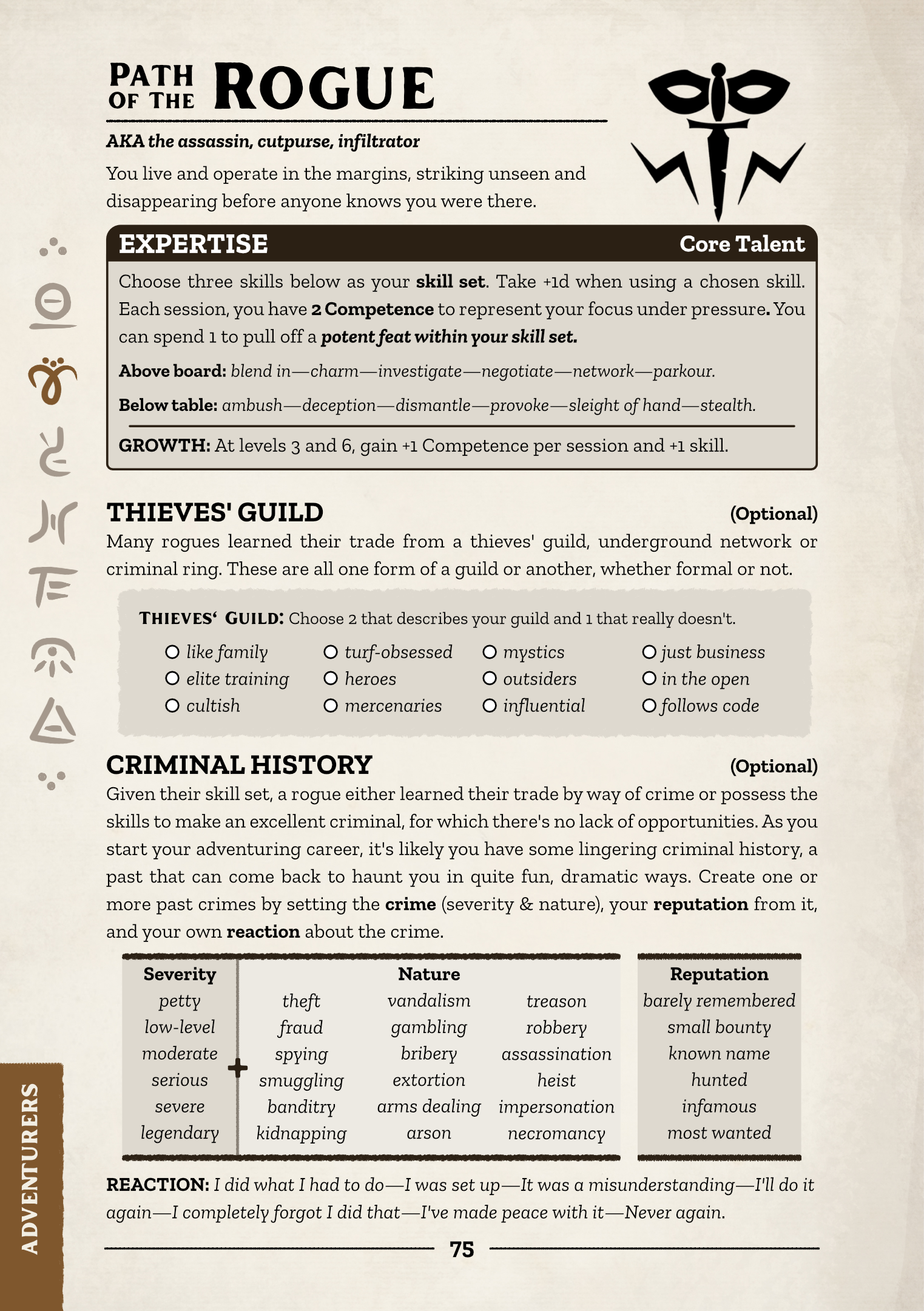
Perhaps this enthusiasm is best encapsulated in the warm reception to the Community Edition. Many players were delighted to follow continual updates to the game, with several individuals — including those who have lost their money in the Grimwild physical print campaign — asking for a separate crowdfunding campaign to produce a physical book run of the Community Edition. The designers reacted to this suggestion with some hesitance, admitting that they don’t know how to run a crowdfunding campaign. “That was where the idea of an at-cost, print-on-demand option came from,” Andre said. ”We wanted people to get their physical books guaranteed without us seeing any money from it. Thankfully, we were all immediately on the same page that Community Edition has to be free, always.”
The Community Edition is now available via itch.io and RPG Trader. One notable exception, however, is DriveThruRPG, with the community unanimously voting not to release the game on the platform. “The reason for that boiled down to the community believing DriveThruRPG engages in monopolistic and anti-creator practices,” said Andre. From its redesign to the manner it’s published, Grimwild: Community Edition has become a sterling reflection of its community’s camaraderie and passion for a game — one that will persist beyond its creator’s short-lived acclaim.