Finally, a healthy relationship to crowdfunding
Mothership maker Tuesday Knight Games says the team is “exhausted” by crowdfunding initiatives meant to help small publishers.

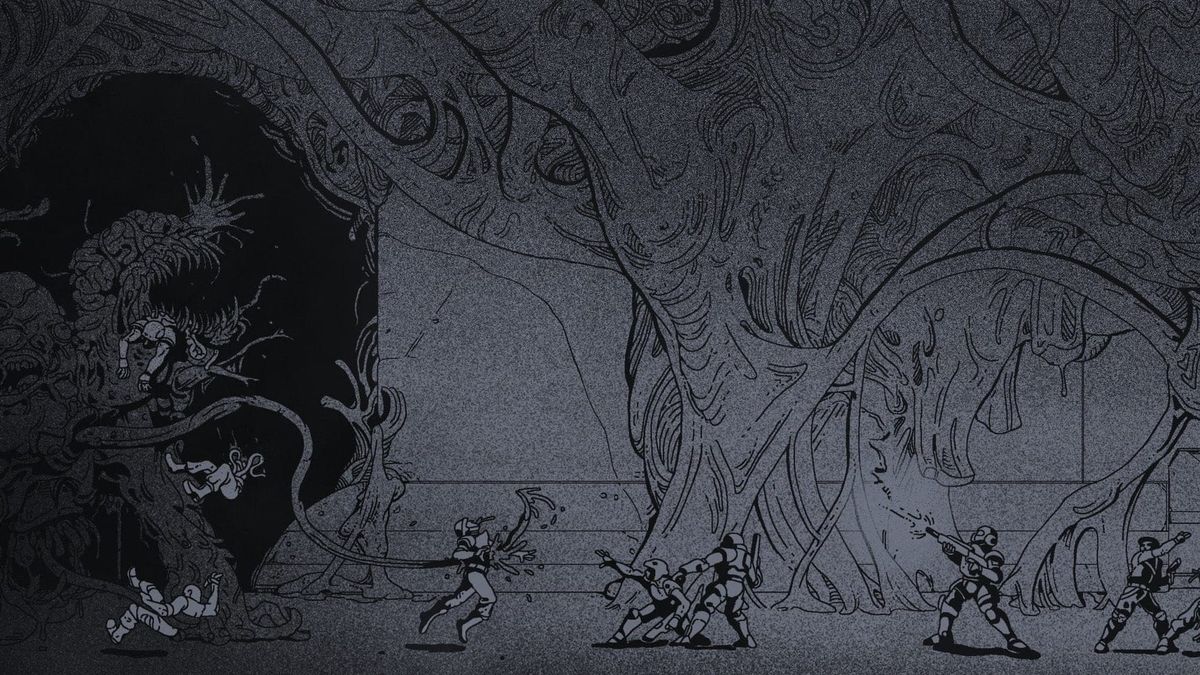
“I don’t know how you all feel, but I’m exhausted,” wrote Tuesday Knight Games (TKG) co-founder Sean McCoy in an August 25 blog post. He opened a discussion of Mothership Month 2026, a recurring collaborative crowdfunding initiative for the cult horror RPG, with a frank and personal admission: the team needed to “tap the breaks” this November.
McCoy explained that TKG, which also produces board games and the new Fatherfog RPG, has been underwater on crowdfunding timelines since the company launched over a decade ago and that it needs to prioritize fulfillment on existing obligations before starting anything new. McCoy then forced a bit of reflection on the readers, claiming “you’re all tired” by the constant demand to support, read, and play a deluge of new games.
“There’s an RPG month every month or two, it’s difficult to keep up with, and it’s hard on your wallets,” he wrote. “The economy isn’t great for all but like six people right now. Additionally, you all have a huge stack of modules you’ve been putting off playing while you wait for old modules to ship!”
Instead, this year’s Mothership Month will focus on playing RPGs through a three-pronged approach. Firstly, the Mothership Warden’s Club will deliver supporting material and free goodies to players who facilitate Mothership sessions in public venues such as local game stores, community centers, and libraries. The Jump-9 Writers Grant will also award US$9,000 each to three up-and-coming designers to produce a zine-sized supplement or adventure, and the publisher will preorder up to 200 copies of it wholesale. Finally, 10 books from third party publishers will be shortlisted for the Mothership Select award’s inaugural crop, a “best of the best” or “hall of fame” honor, as McCoy described it, that guides players towards necessary additions to the RPG’s core offerings.
Mothership Month is back this year, with one big caveat: no crowdfunding, no new releases. Instead we're investing back in the community: For starters: the Jump-9 Writers Grant will invest $9k in 3 new writers to help them each create a Mothership zine. www.failuretolerated.com/mothership-m...
— Sean McCoy (@sean.tuesdayknightgames.com) August 26, 2026 at 1:50 AM
[image or embed]
As TTRPG Insider helpfully summarized, Mothership Month 2024 proved that Backerkit’s “collabfunding” model had serious legs. It raised more than US$1 million over four weeks, then nearly repeated that goal in 2025 with nearly 30 third party projects hoping to raise their ships with TKG’s swelling tide. The model quickly spawned similar enterprises for other RPGs that could leverage an active creator environment — Orbital Blues, Old School Essentials, and Mausritter, for example — as well as Backerkit’s less focused Topias, which cleave closer to Zinequest’s call to action for independent creators and small teams.
Potential issues with themed months appeared by November 2025, as TKG and other creators launched new, ambitious projects before the previous year’s campaigns had yet to fulfill — most notably, Wages of Sin was funded in November 2024, but TKG only began shipping books in mid August. Ambition can easily sour into obligation, especially when recurring events demand selling new ideas regardless of what’s already been promised. In the worst instances, companies can find themselves locked in an endless campaign cycle where the next campaign must pay for the production and shipping costs of the previous. It’s like building a home on beach sand, heedless of the rising tide.
I’ve previously written about my skepticism regarding crowdfunding platforms and their emphasis on launching projects. Practically speaking, it’s the period of a game’s lifecycle that earns them money — why wouldn’t they want as many projects as possible? But a comparative lack of support for anything but fulfillment (Backerkit initially sold itself as an all-in-one logistics toolkit) leaves artists to manage the increased attention from collaborative events on their own. TKG’s onset burnout should be viewed as a condemnation of collabfunding’s long term prospects. Is US$1 million worth straining businesses to near breaking? How can a model propose to help smaller creators if participation exacts such a heavy toll on the humans within? The dose makes the poison, even with success.
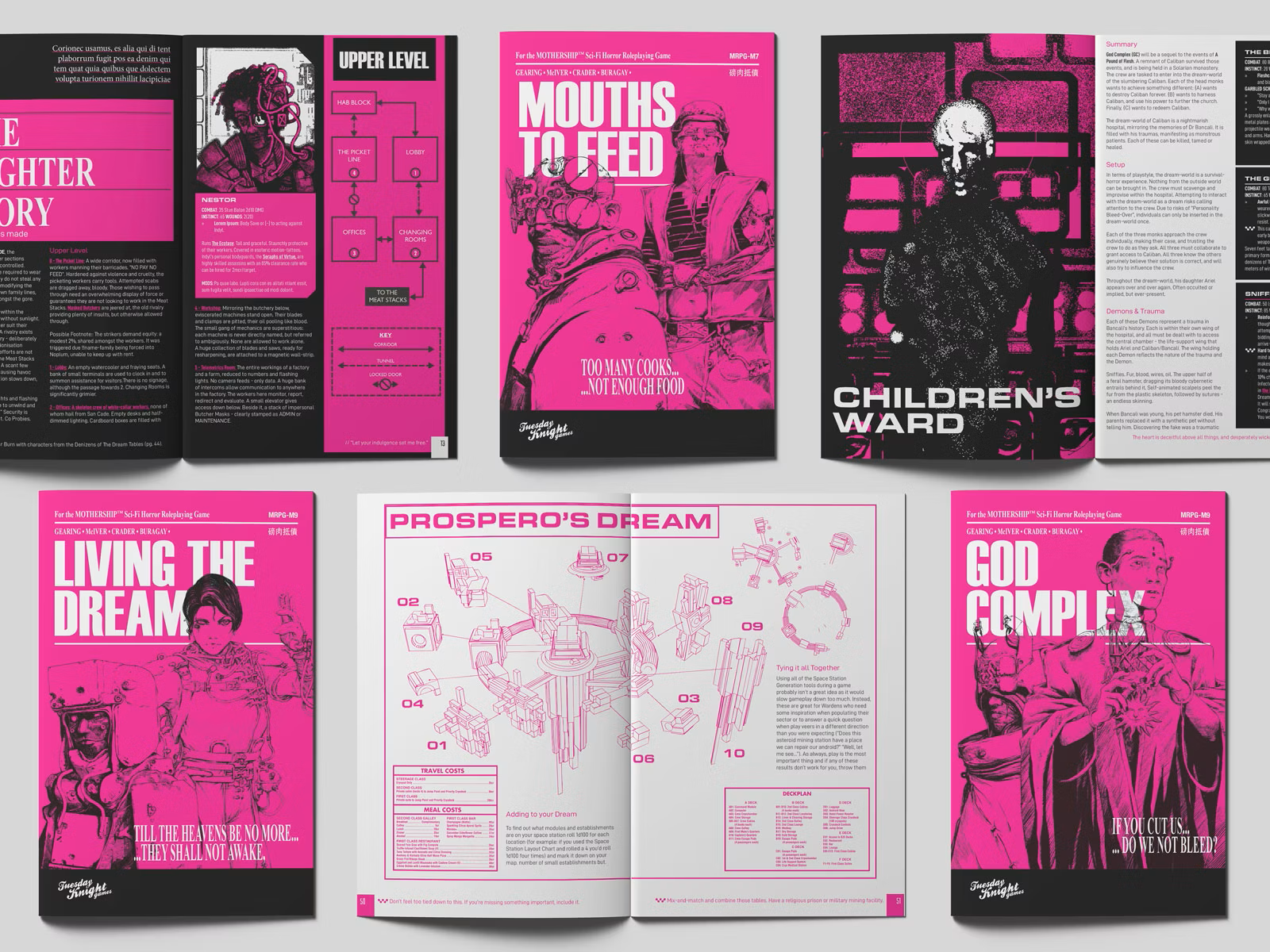
Crowdfunding glut also warps the public perception of games, an epidemic problem across the tabletop industry. We always have a new book, box, or booster pack clamoring for eyeballs and wallets. Attention is focused not on playing games but constantly, incessantly churning out new products. Players are trained to be customers first, whether that’s Kickstarter’s superbackers or Backerkit’s Star Backers; why play RPGs when the purchasing process has been wholly gamified?
All of which makes TKG’s plans for Mothership Month 2026 surprising, and subsequently dismaying for how rare it is for publishers to mediate their relationship to crowdfunding platforms. Mothership’s vibrant and loyal playerbase no doubt allow them to abstain from the rat race, a freedom few other tabletop publishers can afford. But the numbers are growing, if slowly, and perhaps the maverick company can kick off a healthier annual tradition.