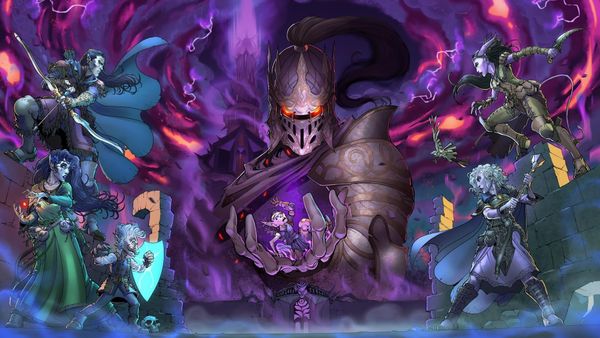
How Storytelling Games Connect Parents With Their Kids
Storytelling games help children build confidence, express emotions, and create meaningful screen free moments with their parents.

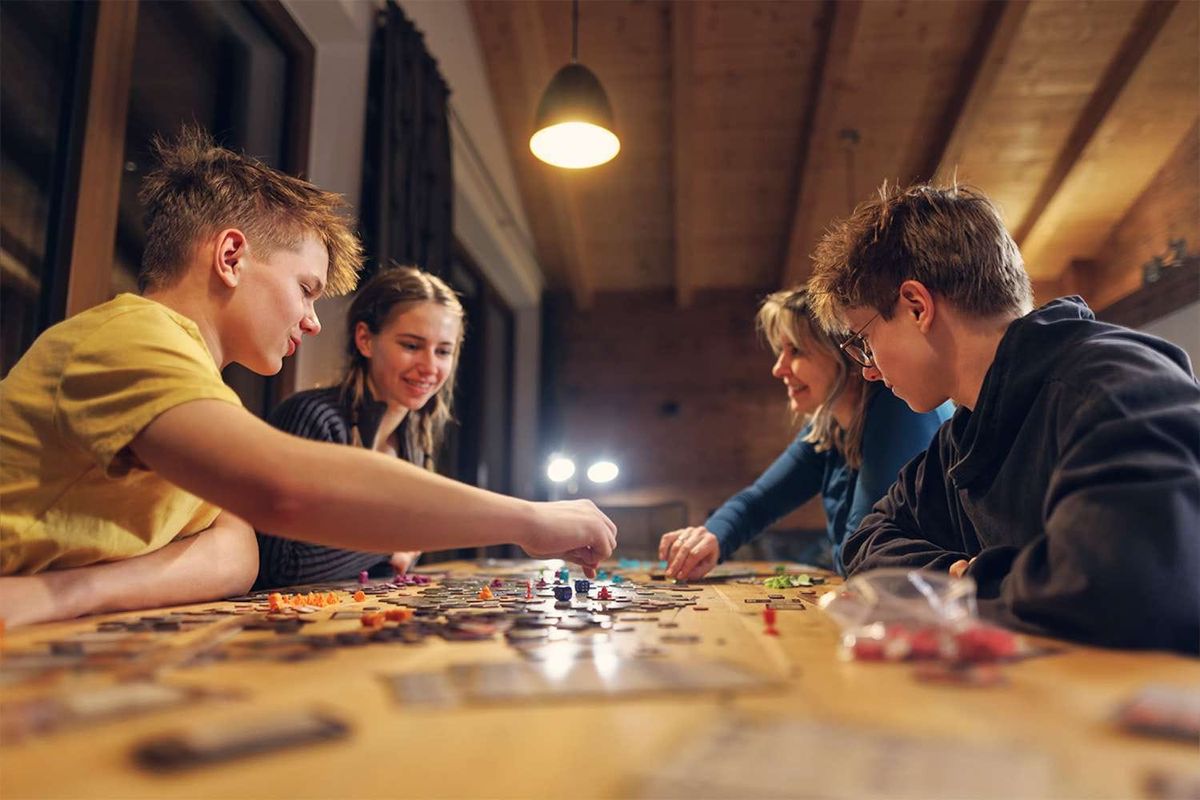
Modern parenting comes with challenges many previous generations never had to face. Families are exhausted. Screens dominate attention. Children struggle with anxiety, confidence, emotional expression, and social connection. Parents can feel guilty that meaningful family moments and quality time is becoming scarce.
Many parents are searching for ways to connect with their kids, through activities that do not involve screens, and to create experiences that will help their children build confidence or express themselves more openly.
What many families do not realize is that collaborative storytelling games can naturally support all of these things through shared imagination while playing together.
Why Storytelling Changes the Dynamic Between Parents and Children
Children often communicate more freely through playing, than through direct conversation.
A child who is afraid of the dark may struggle to explain that fear directly. But during a story, they might suddenly say:
“The wizard is afraid of the dark in the cave.”
In that moment, the child is still talking about fear, but in a way that feels emotionally safe. The story creates enough distance that difficult feelings become easier to express.
That is one of the hidden strengths of imaginative play during “theater of the mind”.
Through storytelling, children can explore emotions, fears, confidence, friendships, and challenges without feeling exposed or pressured. Parents are no longer trying to “pull answers out” of their child. Instead, they are sharing an adventure together where conversations happen naturally through the story itself.
For many families, this creates moments of connection that feel genuine instead of forced.
The Power of Shared Imagination
Unlike many games built around competition, collaborative storytelling games place parents and children on the same side.
Together, they solve problems, invent heroes, explore magical places, and overcome challenges as a team. There are no winners or losers. The experience becomes less about individual performance and more about participation and creativity.
Remarkable things often happen during these sessions. Children begin contributing ideas more confidently. Quiet children start speaking up. Anxious children showed bravery through their characters. Kids who usually keep to themselves often become invested because the story belongs to them too.
At the same time, parents got to share emotional experiences without distractions with their children and learn something new about them. Not simply spending time by staying in the same room looking at different screens, but actively creating something together.
Why Storytelling Games Can Help Neurodivergent Children
Many neurodivergent children struggle with traditional social expectations or highly structured activities. Open ended storytelling creates a different kind of environment where creativity matters more than perfection. There are no grades, no right answers, and no pressure to perform correctly.
Children with ADHD, autism, dyslexia, anxiety, or social difficulties often thrive when imagination becomes the focus instead of performance.
Children who feel pushed aside at school may suddenly become the leader of an adventure. Those struggling with social interactions may begin practicing conversations naturally through their characters. They discover that their ideas matter and that others are excited to hear them.
These moments may seem small, but for a child in the process of growing their emotional intelligence, they can become life changing.
You Do Not Need To Be A Gamer
One of the biggest misconceptions parents have, is believing they need to understand complicated fantasy games in order to enjoy storytelling with their children.
Many parents assume they need experience with fantasy games or to learn complicated rules, or even to perform voices and act like someone they see in Youtube, in order to enjoy storytelling with their children.
Collaborative storytelling is simply asking:
“What do you think happens next?”
That single question can lead to funny outcomes, creativity, emotional conversations, and memories that may last for years.
A Different Kind of Family Time
Many parents today are searching for ways to connect with their kids beyond screens, routines, and constant distractions.
Creating stories along with your kids creates something unique:
Shared adventures that families build together instead of passively consuming.
Children often feel safer expressing emotions through stories because the conversation is no longer entirely about them. The imaginary world becomes a bridge that helps parents better understand how their child thinks, feels, and experiences the world. It can become a shared language for feelings between parent and child.
Discovering Family Friendly Storytelling Games
In recent years, more and more parents are looking for storytelling games designed specifically for children.
Our data and experiences for the above comes from creating Adventuring Family, a TTRPG I co-authored with a pediatric psychologist, with the intent to help parents connect with their kids through imagination, emotional safety, and cooperative adventures.
Unlike traditional tabletop games, it was intentionally designed to be simple, welcoming, and emotionally supportive for children with ADHD, dyslexia, anxiety, autism and other neurodivergences.
The goal is not competition but creating meaningful moments together through storytelling, creativity, and shared adventures.
Because sometimes the greatest adventure is simply learning new ways to understand each other.