One Hundred Tales of Solidarity
The story of the greatest ever game of Band of Blades and a love letter to the people I played two campaigns with.

Content warning: mention of threats of suicide
In 2019, a very special campaign of Band of Blades took place at Phoenix Community College in Ballarat, Australia. Normally, the game is played with about four players. This campaign had somewhere between 30 to 60. Phoenix is far from a fancy school. “To put it bluntly, it was a pretty rough school,” said Elisse Burke, the teacher who organized the game, to Rascal in an interview. “Teachers would go out in pairs. We didn't leave the staff room alone.”
Burke had joined the faculty a few years earlier and didn’t really know what she was getting into. The other teachers took one look into her and decided she needed extra training to stop her from being eaten alive. They started her out in a special program — almost a tutoring program — where the goal was to improve literacy and numeracy among a very specific cohort of students whose needs weren’t being satisfied by the regular system. “If you met the criteria, which was disengagement from school, and the school said, we don't know what to do, then we would take them,” she said.
Some of them had been impacted by different kinds of trauma; some of them had disabilities. Many of them dealt with difficult home lives. Burke was careful with her words: “They all arrived with big stories and folks quite frequently had a lot of social barriers.”
The DOTS program, as it was called, took place in a repurposed kindergarten building. It had about 3 educators and up to 90 students, mostly teenagers, from across the city. The program would happen during school hours but for a shorter block of time, with each student receiving one-on-one attention rather than a typical classroom lecture. “We were technically a re-engagement program,” Burke said. “We took folks who weren't attending school, and we tried to get them into either school or a pathway that was better than sitting at home and feeling sad. So, we measured our success in: do people walk in the door? And I got people to walk in the door with the games.”
Burke wasn’t a gamer. She’d played some Magic: the Gathering but that was about it. So when she first had the idea to introduce games into the program, she started with most casual games like UNO. Her goal was to encourage the students to interact with each other because most of them isolated themselves from the moment they walked through the classroom door. The results were promising. The students didn’t hate it. So she reached out to a friend to ask for board game recommendations. This friend instead directed her to tabletop RPGs. “[They] kind of walked me through Dungeon World, and he taught me how to GM. I loved it,” she said.
For the next eight weeks, she ran some DOTS students through Dungeon World. “The young people I grabbed were folks who I knew had a bit of imagination [and] who would talk to me. They didn't talk to each other, but nobody talked to each other at that point,” said Burke. “So, what was successful about that game is that I got them all in the same room together talking with each other, and they were laughing about it. I think there was a goblin that got lit on fire. It was some sort of very silly sort of situation.” It wasn’t just laughter, though. Burke would ask the students how she should navigate a rule, and they would chime in with their interpretations that generated a back and forth amongst the group. “Then they walked out, and they were still talking with each other out of the room. That's where I went, I'll do this forever.”
This amount of conversation might seem like such a small thing, but for Burke it was night and day. When she first started, the classroom felt dark and dreary with tables kept intentionally apart from each other. “Sometimes there might be a bit of a chuckle about something, but it was sad and it was quiet. There was no energy,” she said. But the Dungeon World sessions gave people shared experiences that they could talk about, and it helped them develop in-jokes, like how when someone was clumsy, it was due to a low DEX score.
When she started running Blades in the Dark, it got even better. The game helped the students talk about their lives. Burke remembers conversations about someone having a bad weekend and how “they took an extra point of trauma, and they're not sure if they can take another one.” This would open the door to discussions about what exactly gave them that point of trauma. “It was really a way in,” said Burke. Blades’ mechanics also cut through the overthinking tendency that affected so many of the players who wrestled with anxiety around planning.
Eventually, more students were willing to play than Burke could handle in her limited, small-group gaming sessions. Even with two concurrent campaigns, she was limited to 12 young people per term at most. Her success with these sessions was recognized, slowly, but there was no easy way to scale. Burke wanted to try and run a game for the entire cohort. The problem wasn’t just persuading school management to buy into the idea. She also had to wait for the right set of students. “We had some folks who wouldn't necessarily mix together… We had some behaviors that could put folks at risk. We had to make sure that we put the right people together so things didn't blow up.” Launching her most ambitious project yet would mean running a game every day for hours, while juggling the usual English and math workload, but she was excited to try it.
And she felt like she had found the perfect game.
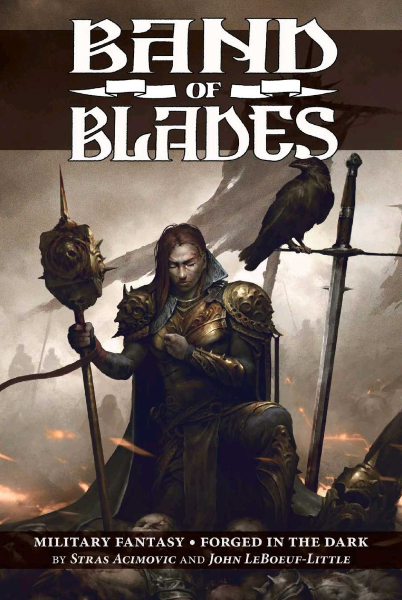
Band of Blades is an RPG by Stras Acimovic and John LeBoeuf-Little that was published by Evil Hat in 2019. It’s my opinion as a critic that it’s one of the most holistic and well-designed action-adventure titles ever made. It’s a dark fantasy game about an army retreating from a devastating loss and gearing up for their last stand. It has been incredibly influential on me as a GM, and if I ever made a list of my favorite games, it would be on there. It would have to be.
I’ve run Band of Blades from start to finish twice. It’s both a system and a campaign, expertly folded into each other, and it took about six months both times. The first time I ran it was in 2021. I had spent most of the previous five years running D&D to mixed success. I had run it in person for years for friends, many of whom I still play with, and then I started running it online via text with complete strangers. One of those text campaigns was a West Marches game on Discord where the group was a mercenary company stuck in Avernus. I think that group started out at around 20-30 people and ended up with around six. It was a game that was equal parts magical and frustrating, requiring so much work but at least paying back similar amounts of fun. One of my favorite players in that group was clearly very young. She taught me what a Hatsune Miku was and also texted me about killing herself. This wasn’t the only time that I stayed up online in a Discord server talking to strangers about not committing suicide. It’s a thing that happens when you’re in gaming spaces with young people more often that anyone likes to admit. As far as I know, all of them are doing fine and well.
I eventually stopped running text games, deciding instead that I would play on video through the Open Hearth gaming community (as it’s now called). As soon as I had permission to post my own games, I pitched Band of Blades. In some sense, this was the game I had joined the community to run. It was easily the game I was most excited to play at that moment, having watched a fantastic actual play of it. Only two players showed interest, and, technically, the game requires three — a Commander, a Marshal, and a Quartermaster — at minimum. The Commander has few mechanics, but it’s their job to be the leader, to make the decisions that will determine if we win or lose. The Marshal is in charge of the troops, from naming them to deciding who goes on which missions. The Quartermaster collects and spends a small handful of scarce resources to give the legion its best chance of going the distance. We split up the Quartermaster’s duties between the three of us, and it worked fine. Better than fine actually: that campaign was as close to a perfect game as I had ever experienced at that point. And it was so much less work than D&D.
Like its originator Blades in the Dark, Band of Blades is both a power fantasy and a consequence fantasy. Your characters do amazing, heroic things constantly but must consequently accept a series of diabolical twists, escalations, compromises, and collateral damage. With just two players, the power fantasy aspect was turned down, and the missions often degenerated into survival horror with the characters using every trick in the book to come out on top. They still pulled off outrageous plans constantly, of course. Just as with Blades, every mission starts with an engagement roll to identify how it kicks off. My dynamic duo of players would routinely flub the roll but use the flashback mechanic to cleverly reframe the situation to make it seem like that was the plan all along. It used to make me laugh out loud in delight.
One of those players then went on to run the game for his friends, using some of my notes and a custom playbook I made for a squad mage. I sometimes wonder if one of his players ever ran the game for someone else. It’s nice to imagine a chain of GMs stretching back through time and forward into the future. It’s not exactly wisdom being passed on, unless you think of joy as wisdom — which I’m starting to think it might be.
My second campaign of Band of Blades began in January this year. It came out of a conversation with a colleague about how she had never played a full-length campaign. And it wasn’t just her. When we wrapped up our run after roughly 25 sessions, it was the longest game for two of the four players at my table. D&D’s reputation for creating the never-ending campaign is one of its most magical aspects — both as a game and as a ritual of male friendship (because from my limited third-hand perspective, it’s a form of play that’s mostly practiced by Gen-X men). I don’t know what’s cause and what’s effect, but a lot of people who only engage with TTRPGs through the indie side of things don’t play long campaigns.
When people talk about the value of these long games, they usually talk about the weight that the fictional world develops, how the accumulated narrative goes from simple anecdotes to a deep shared history. This is true. But for me, it’s the external effects that are so rewarding. The slow growth of meaningful relationships — not with everyone and not all of the time, but enough — watered by weekly connection. The development of a private language full of nonsensical references and arbitrary strings of syllables that can force adult bodies into wheezing laughter. The simple sharing of life events, like gaining new jobs, losing old ones, tumult around recalcitrant mothers or stubborn fathers. I can think of at least three times in my life that a table had to pause games so that one of the players could get married. People keep getting married, it’s crazy.
This is often mirrored in the fiction of long-term games. Characters will live whole lives — lose their generic tragic backstories and develop heart-warming new frontstories. They’ll often find love and fill the hole in their heart that made them want to wander the world, constantly thwarting apocalypses. Band of Blades does this, too, in breadth instead of length. Rather than a long view of a few, the game is built around short glimpses of many. The legion is built around six squads of five people each, apart from the specialists and the command staff. All put together, it’s around 40 people. And it’s their story. The game is built around troupe play and the sharing of characters, and while you undoubtedly develop personal connections to some, it’s a process to discover them. There’s no way to know at the beginning which of these individuals will earn a place in your heart. You have to tell a hundred small stories and see what happens.
You have to talk about Sacren, who inherited a family gun but died without it. Rictus, who ran the scorpion fights and took the fall for the missing ropes and candles that Toes and Mr. Sweet stole to try out some new, elaborate sexual maneuver. Klara was a cop, but she was also just a kid. Teak thought he was cursed, but he was just unlucky like everyone else born in these times. Shayna believed, walked away, and then believed again. Samryn was babygirl, and Ulna was very much not, and they were played by the same person, back to back. Aster thought she was the chosen of the Moon Goddess and died. Kettle loved tea and did not.
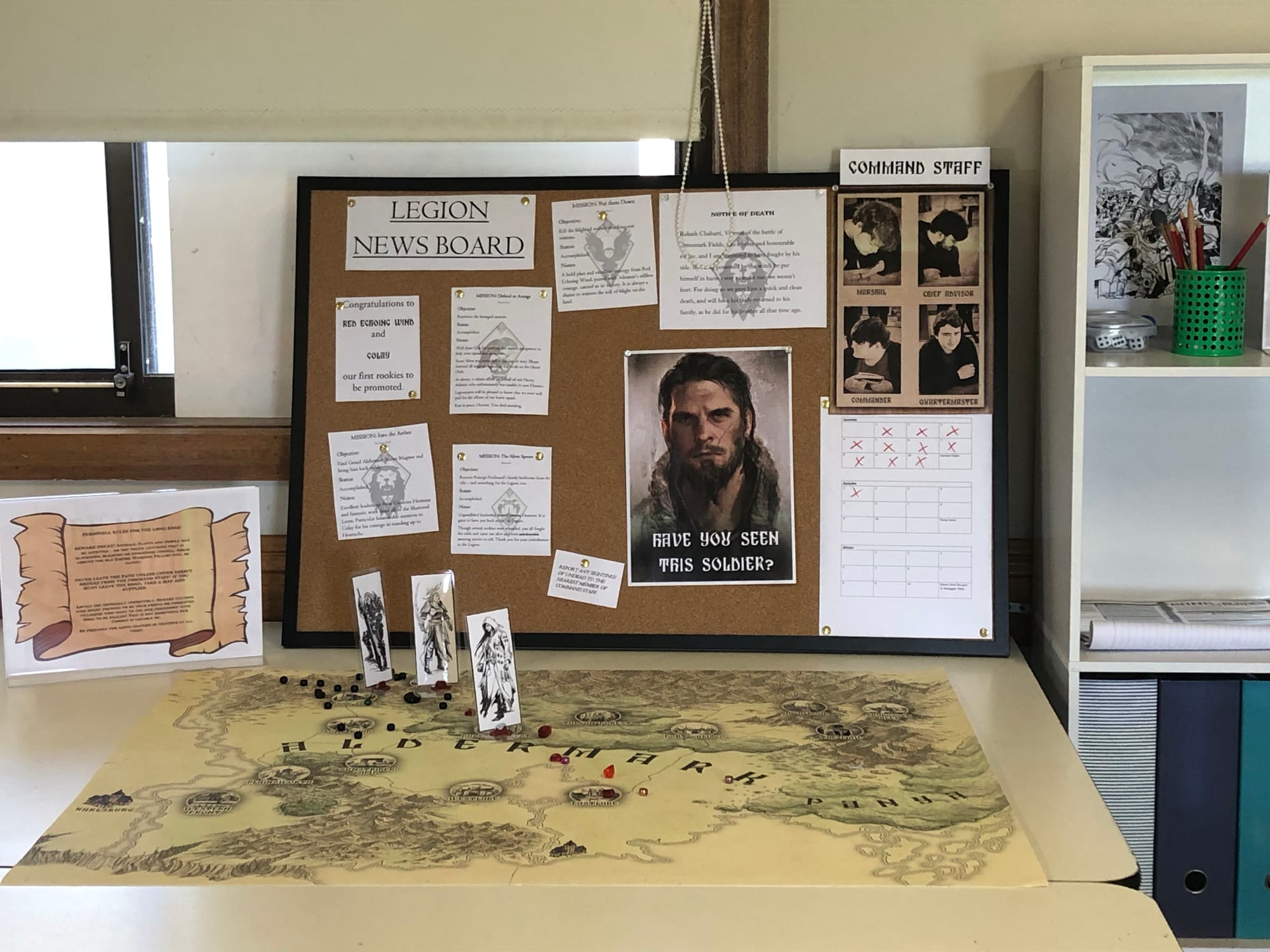
It was winter when Elisse Burke ran her campaign of Band of Blades. Cold and dark, students didn’t even want to get out of bed, forget coming to school. Which is why her institution was happy for her to try anything. Casting her memory back, she thinks about 45-60 people signed up for the initial session, with 30 of them remaining consistent. She divided those who signed up into squads and set aside a day for each of them. If the Ghost Owls were on Monday, then the Shattered Lions were on Tuesday, and so on. The roles of the command staff were taken up by her most invested players who had already been through multiple campaigns with her.
The game room had a big notice board where the list of missions went up alongside summaries of completed missions, legion morale, and the names of the dead. The command staff handled most of this, sitting on sessions even when they weren’t playing. They gave the newer players advice on rules and generally helped Burke run the game. She needed the help because she was figuring the whole thing out as she went — because this is not how Band of Blades works. It isn’t designed to do this at all. She reached out to Acimovic and received some advice… but advice could only be so helpful. This was basically a whole new format, and even Acimovic could only guess what it would take.
Burke tried to maintain as much of the original game as possible. She even kept the troupe style with players passing the characters between each other as the game went on. She kept the rules because she found that her players appreciated the structure versus the more freeform play of something like Dungeon World. She also didn’t shy away from the heavier subject matter of the game. Why would she? That was part of why she picked it in the first place.
“The reason I fell in love with Band of Blades was the themes,” she said. “The brutality of war, and the reality of grief, and also being able to have fun, even though the situation is really grim. I had a group of teenagers stand up for a minute of silence for a fictional character. Some of these young people had lost a parent or a sibling, plenty of them were in and out of home care. I felt it was important for them to be able to see grief in a healthy way, but also in a fictional way where it's safe. Because you can put that down and you can laugh about it if you want to. You don't have to take it seriously.”
More than anything, Burke fought hard for every moment of conversation and connection: when players had to discuss and vote on which mission, when one of them had to turn and ask the other for an assist action, when they offered each other advice on when to do flashbacks, and so on. The players were deciding their characters were siblings. They were getting attached to their squads. They were also navigating conflict and experiencing failure, which required extra care because, as Burke put it, “most of the cohort would react really, really strongly to criticism or any kind of failure.”
Occasionally, there were moments that felt like breakthroughs. She remembers one player very well: “He was always super quiet, super withdrawn, he would not speak to anybody unless he was with his big brother. And after a couple of years of games, his brother had graduated and moved on and he was one of the senior folks.”
“There was one session where he came in, and he was this big brawny fighter… He had to get past a guard, and he chose to flirt with the guard. Usually this would have just been a silly, funny thing, but he was actually asking serious questions about how do I start this conversation with this person? And the teenagers around him (and my other teacher helper who I was training at the time) were all able to give him little gentle suggestions like maybe we could kind of navigate it like this, or see how he feels about it by asking this sort of thing. It was teaching a kid how to flirt in real time.” The student would later drop from the program before rejoining much later.
At the end of the school term, after months of Burke feeling like a full-time GM, the legion reached Skydagger Keep, held off the forces of the undead, and won the game. She left that program after a few years, but it’s still active and run by someone else. She started working with a disability organization and tried to bring gaming there as well, but it didn’t work out. She writes fantasy books and plays RPGs with her friends. When I last spoke to her, which was in late 2024, she was going back to being a kindergarten teacher.
If you’ve heard of Zeynep Tufekci, it was probably during 2020-21 when she was writing regularly about the COVID pandemic. In March 2020, she wrote a tweet thread criticizing the WHO for their recommendation that masks be worn only by medical professionals and not the general public. She would repeat herself in the New York Times op-ed section a little white later. In April of that year, the WHO changed their recommendation. In 2022, she was nominated for a Pulitzer for her “insightful, often prescient, columns on the pandemic and American culture… that brought clarity to the shifting official guidance and compelled us towards greater compassion and informed response.”
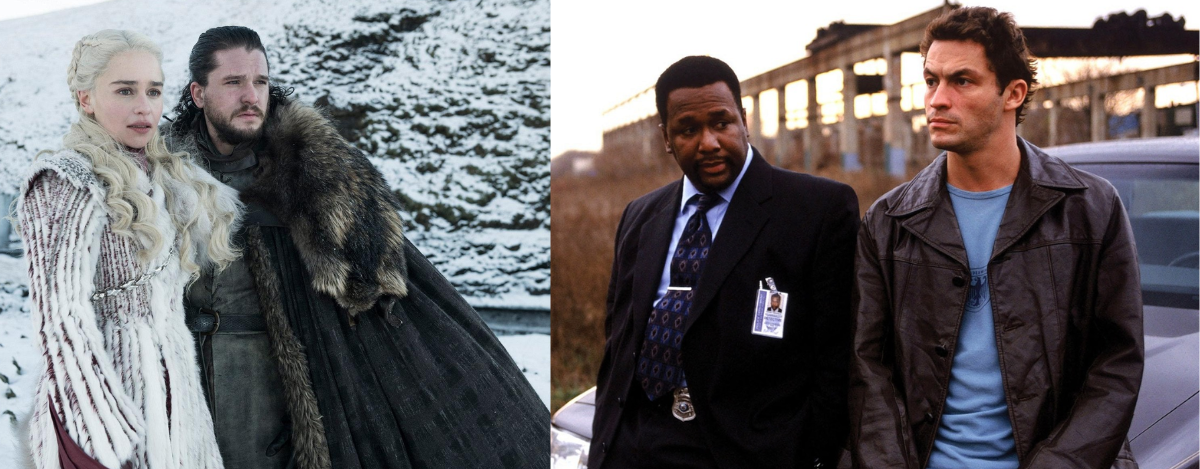
I was surprised to see her name at the time because I knew her as the person who wrote about the real reason fans hate the last season of Game of Thrones. She isn’t an epidemiologist or a literary scholar by the way; she’s a sociologist. Tufekci argued that it wasn’t just plot holes or bad writing. She claimed that when the showrunners of Game of Thrones had to move from adapting novels to writing from scratch, they changed the mode of the story. She wrote: “At its best, GOT was a beast as rare as a friendly dragon in King’s Landing: it was sociological and institutional storytelling in a medium dominated by the psychological and the individual.”
Sociological storytelling, as she defined it, was not led by the inner motivations of a character but rather how they shape or were shaped by the institutions and society around them. Think about something like The Wire and how you might come away from it talking about how the police department was the main character as a whole, rather than any individual officers. The early seasons of Game of Thrones painted Westeros as a web of political cause and effect. There were characters, of course, but the story was often about how they were constantly forced to do things beyond their control by greater institutional forces. Who’s the protagonist? What was their motivation? These questions died with Ned Starke.
This mode is rare, and getting rarer, especially in American media. It’s not what Hollywood likes, and it’s now how books about writing frame ‘good storytelling’. If you ask the institutional sources, they’ll blame the audiences. The critic George Scialabba framed it in one review as, “Our age is hungry for accounts of inner experience – of what it feels like to have been abused, neglected, or spoiled rotten; addicted to drugs or shopping or love; a child prodigy, schizophrenic genius, gang member, or Satan worshipper. We don’t seem equally interested, though, in public or collective experiences...”
In this context, Band of Blades is the story of a collective experience shared by a group of people and how it shapes them. By asking you to refract every step of that experience through dozens of different view points and to empathize with them all to some degree, it prompts a story that is full of people who can’t be classified into good and evil, loyal and disloyal, weak and strong. It makes you appreciate diversity. You need both the person who is polite and the person who cuts to the point a little too quickly; you need both the person who follows rules and the person who does whatever it takes to get the job done. You need the person who will take up leadership and the person who is skeptical of it.
Tufekci thinks that our focus on the qualities of single individuals is hurting our ability to understand the world. We start seeing everything as a function of psychology or character, with little space to imagine systems and group dynamics. She writes, “In a historic moment that requires a lot of institution building and incentive changing (technological challenges, climate change, inequality and accountability) we need all the sociological imagination we can get.”