Bump In The Dark is a deeply American tale of survival and the supernatural
First, the factories and mines shut down. Then, the monsters came.

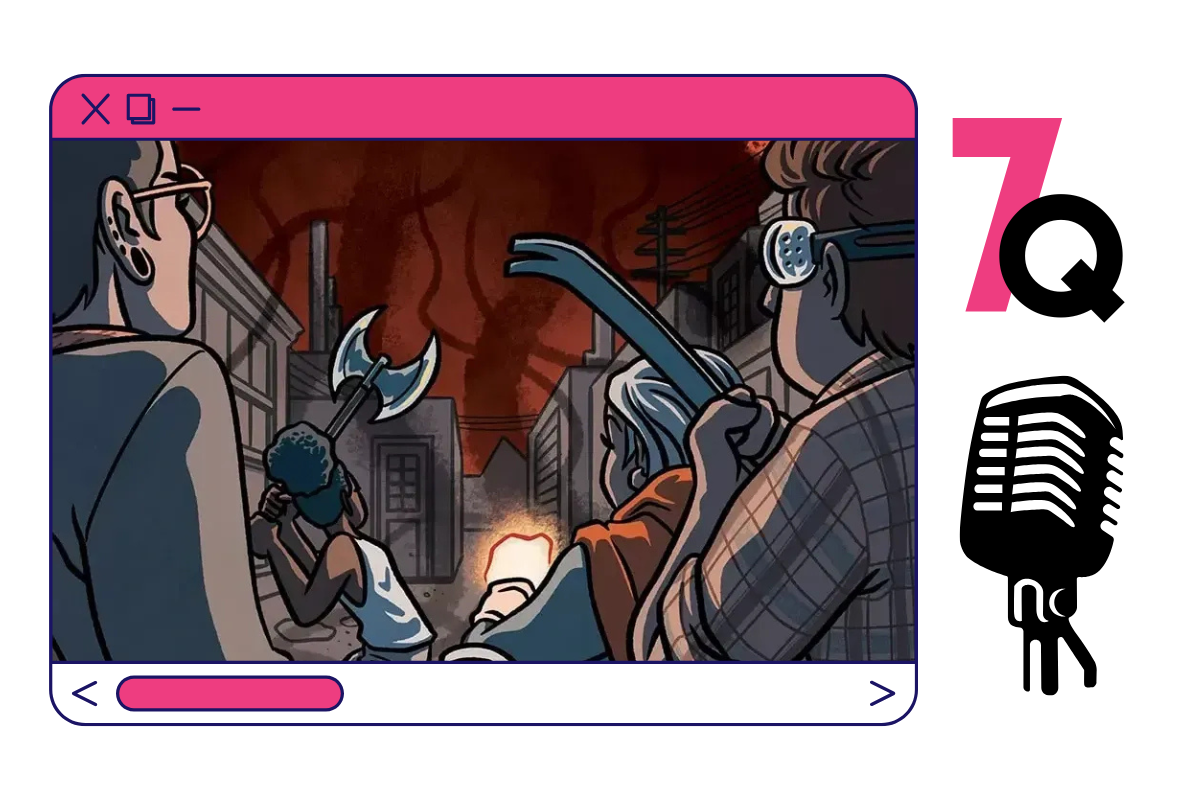
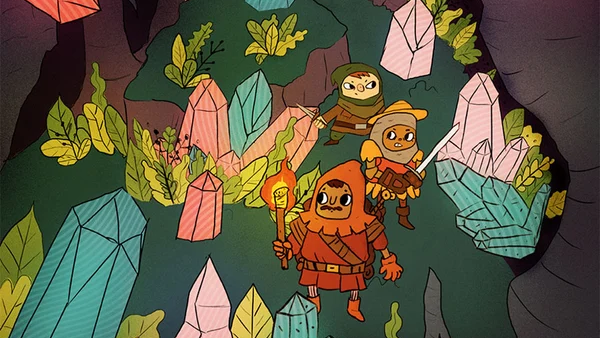
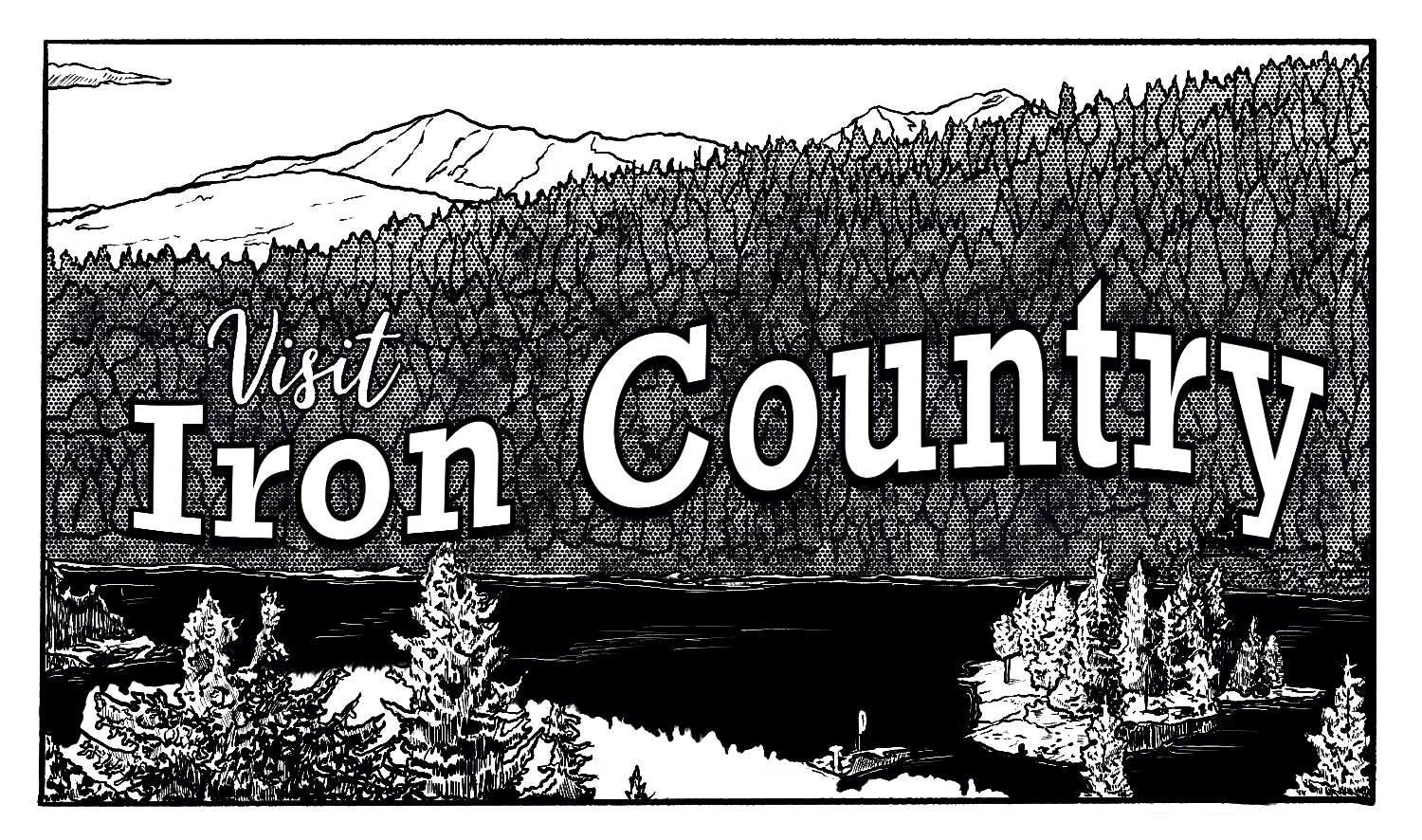
The Grand Canyon, Niagara Falls, Arches National Park; these are some of the most iconic American landmarks—places I would love to visit when the country’s administration becomes less hostile to travellers and minorities. But for now, I can dive into Bump In The Dark, a tabletop RPG set in the distinctly Americana region of Iron Country. “[Iron Country] was the setting for an ongoing Monster of the Week campaign I was running,” said designer Jex Thomas in an email to Rascal. “When I decided I wanted to play around with designing a Forged in the Dark game, I thought back to this fairly realized setting I had and really loved, and knew I wanted to do something with that.”
Iron Country is drawn from Thomas’ own experiences of growing up as a teenager in the Northwoods of Wisconsin and Upper Michigan. It’s a fictional belt of mining towns that have been hit hard by the gradual death of the mining industry in the latter half of the 20th century, which carry parallels to the earlier period of gold rushes and coal booms that shaped the folklore around the American West. But you aren’t here as a visitor, but a hunter who’s investigating the goings-on of Iron Country, as well as protecting its people from the supernatural: the cryptids, monsters, and the encroaching darkness simply known as the void. Based on the Forged In The Dark system, Thomas’ Bump In The Dark was initially crafted as a hack of another paranormal game, External Containment Bureau, but soon outgrew the project to become a standalone title. It’s also inspired by the episodic, “monster of the week” format — and the RPG of the same name, with cycles generally following a given structure called a hunt: discovering the hook (or the inciting incident), investigating the mystery, conducting a showdown, and concluding with fallout.
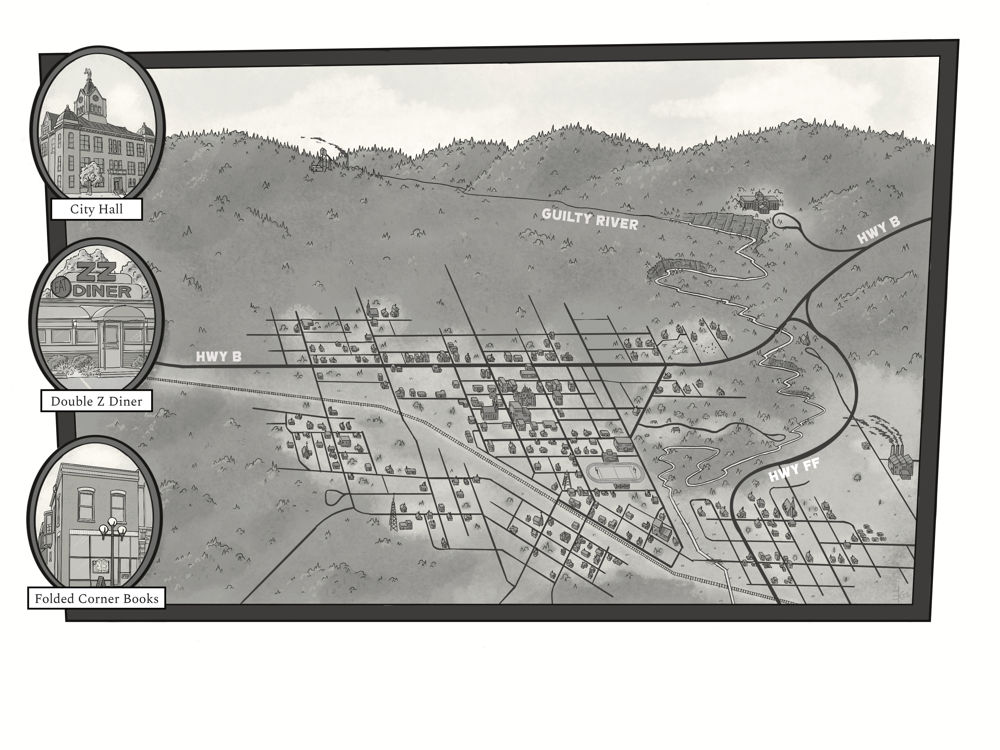
There are plenty of opportunities for action-packed downdowns, but fighting monsters isn’t the crux of the game; devoid of the usual structure and systems that govern combats in crunchier RPGs, monsters in Bump In The Dark generally take a more amorphous shape, with the GM building upon cues from the players themselves for a much more collaborative and improvised play. Thomas wanted the game to be a frame for exploring themes like deindustralization, capitalism, labour, community, and finding hope in hopeless times, such as through interactions with the game’s myriad human — and supernatural — factions. The monsters aren’t the worst thing happening to the town — they’re only the latest disaster. Or maybe they’re just a manifestation of a very large, slow, ongoing tragedy.
Bump In The Dark crafts a modern parable of hardship and hope in a unique and beautiful slice of land that has lost a lot of what it once had. And it tries to do so without ignoring that everything, even the land itself, was acquired through violence. In the rulebook’s statement of intent, Thomas took the opportunity to acknowledge white supremacy, colonialism, and other forms of oppression that took place on the very lands Iron Country is inspired by. “Indigenous people, people of color, queer folks, and other historically and currently marginalized people are part of these communities. I think it’s important to both acknowledge the real history of settler colonialism and imagine different ways of relating to each other. Not to whitewash history, but to conceive of a better world,” they wrote.
Responses have been edited slightly for clarity.
- If your game had walk-on music or a climactic needle drop, what song would it be?
In the last campaign we played, "Black Hole Sun" by Soundgarden came up several times. It feels appropriate to the 1990s vibes of the game. Or maybe "In the Pines" by Lead Belly. That would be a great song to play over the end credits after a shocking season finale.
- If your game grew like a plant, what was the seed of the whole thing? And what about you made you the right kind of soil to receive and nurture that idea?
The seed was playing a game set in a world inspired by my experiences as a teenager in the ‘90s, in a geographically isolated, deindustrialized and dying town. I think I was able to nurture that idea because it was so personal to me, and because I was either hyperfixated or hypomanic enough to just keep working on it until it was done, really wanting to get it right and make it something that only I could make.
- If your game was food, what would it be?
Oh wow. The first thought that came to mind was "rusted metal," but that's not food, is it? I think there's a way it's a real meat-and-potatoes kind of game, but I'm a longtime vegetarian so I'll say a good vegetarian chilli. A lot of different ways you can make it, and you can alter the tone and texture, how spicy it is, etc. but at the end of the day it's still this distinct, classic food.
- If your game was a machine and we could break it down into parts, which is the smallest part that you think best captures the essence of what you're trying to do?
I think the implementation of the beats system in downtime really gets across the importance of relationships to the game — not only among the pact of monster hunters, but the relationship with the town and surrounding community.
- If we broke your game down into parts, what's the thing we wouldn't see? What do you think only emerges out of the entire thing moving together?
What a fascinating question! I think it would be [about] what a truly collaborative experience it is. I don't know that you can really fully grasp that just from reading it. How fun it is to take your hands off the wheel and let the game go where it goes and let it surprise you.
"Indigenous people, people of color, queer folks, and other historically and currently marginalized people are part of these communities. I think it’s important to both acknowledge the real history of settler colonialism and imagine different ways of relating to each other. Not to whitewash history, but to conceive of a better world."
- If your game had to commit a crime, what crime would it be?
This is very much a game that would steal food for people who are hungry, diapers and formula for crying babies, that kind of thing. Trying to help people survive capitalism. It would de-arrest people and break people out of jail.
- If your game was to win an Oscar, who would it thank in its acceptance speech?
Even though it's my name on the spine of the book or whatever, this game was really a community effort, from the artists to playtesters, folks doing some additional writing for the game, the community that came up around the game during playtesting and crowdfunding, and maybe my favorite part of making this game has been that collaboration and sense of community. So thank you to everyone who has been part of the Bump in the Dark community in some way. I would also thank my spouse and child for putting up with me staying up all night too many nights in a row, my main artists, Alison Cooley and Ashley Altadonna, my pals in the Spout Lore Discord, and my besties in the Design Loop: Em, Riley, December, Mikey, Hendrik, Eli, Nevyn, and Sam.