D&D’s Gen Con keynote promises a great return from parts undefined
All gas, no rearview mirrors.

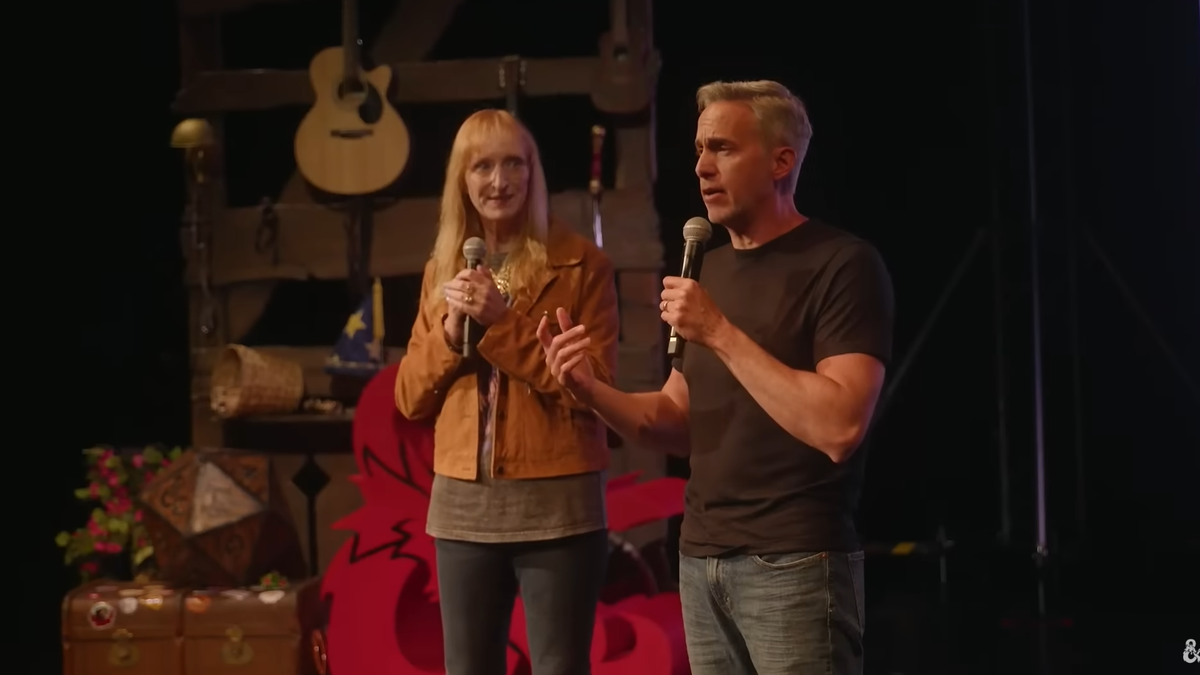
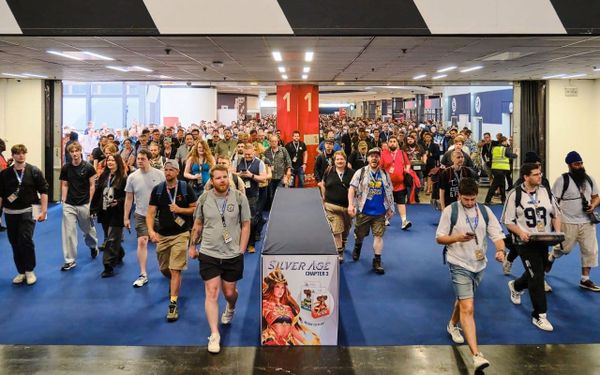
Dan Ayoub, head of the Dungeons & Dragons franchise at Wizards of the Coast (WotC), told a crowd of Gen Con attendees that one of his big goals for 2027 was to “bring everyone back to the table.” It was one of several grand, sweeping statements delivered during the July 30 vision keynote that felt positive, but vague; a sort of bullish optimism that implied moving beyond past mistakes that Ayoub chose not to define. Keynotes are propagative affairs at best, but it's worth analyzing the first in what the publisher promises to be an annual convention affair.
“That's the theme: bring it back to all of you,” Ayoub said during his opening remarks. “Bring it back to the players, bring it back to the hobby stores where it all began, bring it back to video games; bring it back to where it belongs." Which implied a couple of important questions: where had D&D gone? And how do all of these promises constitute a return?
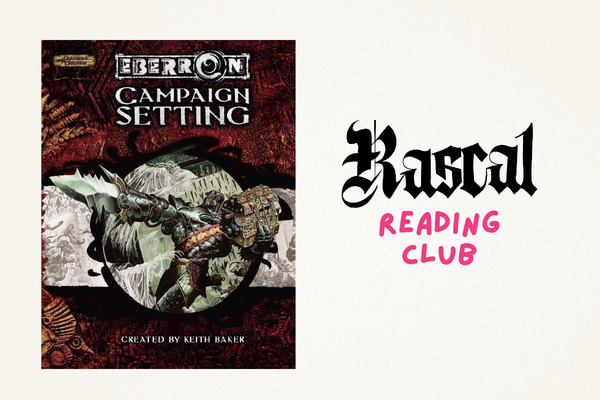
The latest iteration of the venerable fantasy RPG, what is now mostly called D&D 5.5E, was belatedly released over 2024 and 2025 before almost immediately going dormant. The release calendar lacked tentpole adventures, producing only a pair of Faerûn supplements, an Eberron rules expansion focused on the artificer class, and an anthology of Dragon-themed adventures. Consider it butter spread thin over too much bread, but at least all of the subjects played directly to the fantasy game’s enfranchised audience. The general feeling amongst players was that Wizards of the Coast was rebuilding following the departure of Chris Perkins and Jeremy Crawford, not wandering astray.
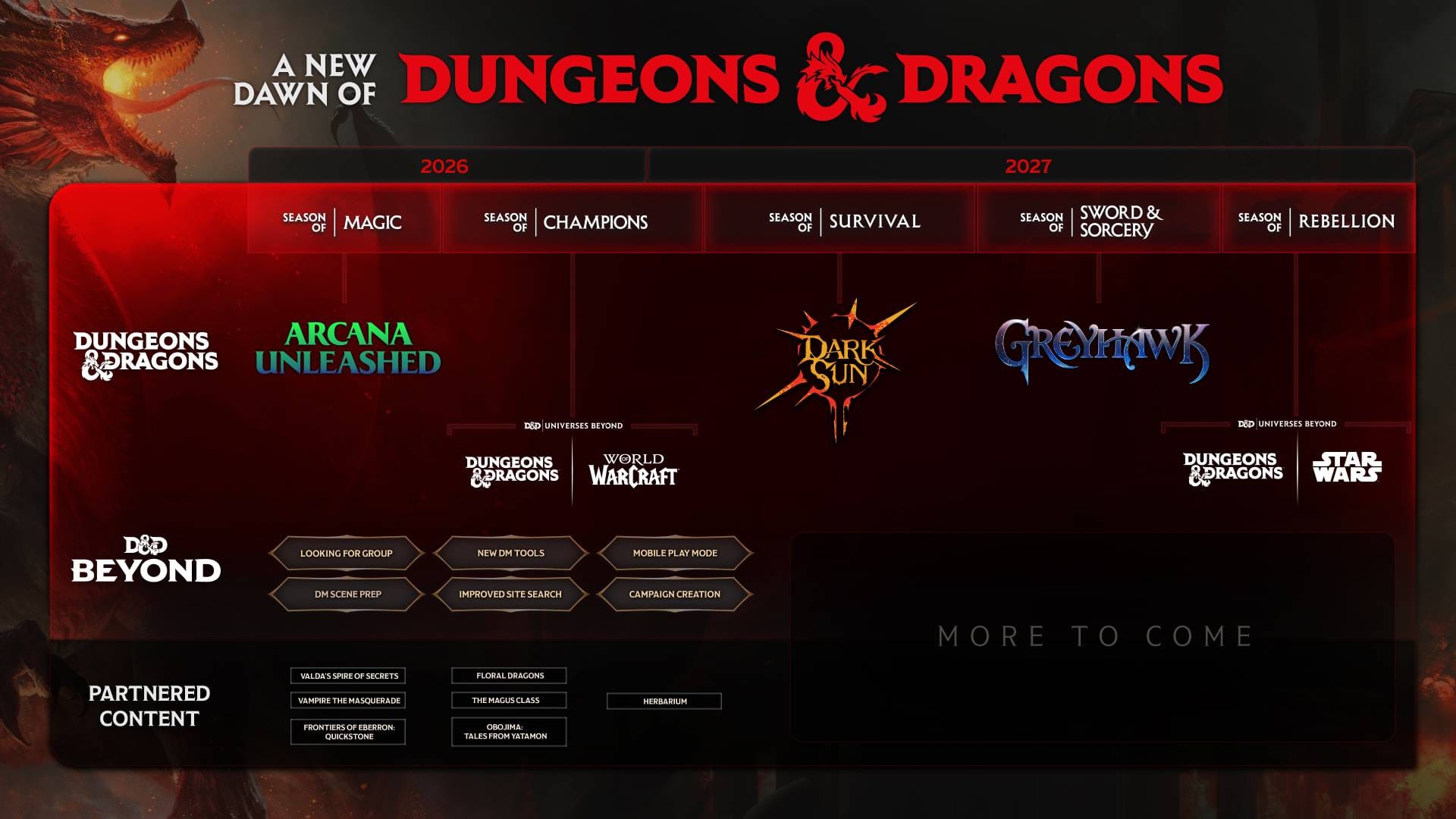
The keynote labored to dispel any notion of players’ starving for material. D&D’s news seasonal release model that began in June of this year with Ravenloft: The Horrors Within will quickly expand to fit the RPG’s own version of Magic: The Gathering (MTG)’s polarizing Universes Beyond licensing model — starting with nerd culture juggernauts World of Warcraft and Star Wars. Third party publishers such as Ghostfire Gaming will pick up the mantle of developing official books for the fan favorite worlds of the Forgotten Realms, Ravenloft, and Eberron. WotC trusting professional designers to play in their sandboxes is a good thing, but shifting core creative resources towards licensed products feels like the opposite of bringing the RPG back to players.
Instead, it feels like a second whack at creating a d20-powered franchise engine. Since 2024, the majority of WotC’s energy and publicity had been siphoned into video game licensing, largely in search for the next Baldur’s Gate 3-sized win. WARLOCK and Exodus’ performance is still pending, but the $1 billion gambit largely failed. Parent company Hasbro has canceled four known projects (and possibly a dozen more unannounced works), and WotC president John Hight’s departure is imminent. The toy company didn’t have the forethought or grit to transform into a video game publisher, so they simply cloned MTG’s golden goose.
Translating extant IP to character sheets also aligns with Ayoub’s vision for the RPG’s next four decades: “This is more than a game, this is a cultural powerhouse that has touched every aspect of entertainment. But we can never forget the soul of D&D; the soul are [sic] the players around the table. We're gonna talk about how we protect that experience and grow it for the next 50 years or more.” He continued: “We're going to aim to bring D&D to fandom from all corners of the world. D&D is for everyone, and Universes Beyond will help reinforce that.” Universes Beyond has proven very good at bringing new players (and their wallets) to the table — its potential flaw will be engendering an appreciation of the RPG as a game and not just a fandom delivery vehicle.
Much of WotC’s thesis for 2027 seems to be a lowercase-C conservative posture that presents an empty idea of a return. To what? An imagined, halcyon era of D&D that could be 2014 or 2021 as easily as it could be 2005. The important thing is that players believe the publisher’s moves are for the overall health of the game, a necessary corrective to whatever problems those same players currently associate with the RPG’s direction. None of the company’s leadership mentioned recent antagonism towards the MTG Arena team’s union, Sigil’s failure, or Hasbro’s flirtation with generative AI technology, but it was clear that the crowd should let their misgivings boil away in the light of all this New Content. The past, and its mistakes, exists in vague terms and only to justify an MCU-adjacent release calendar.
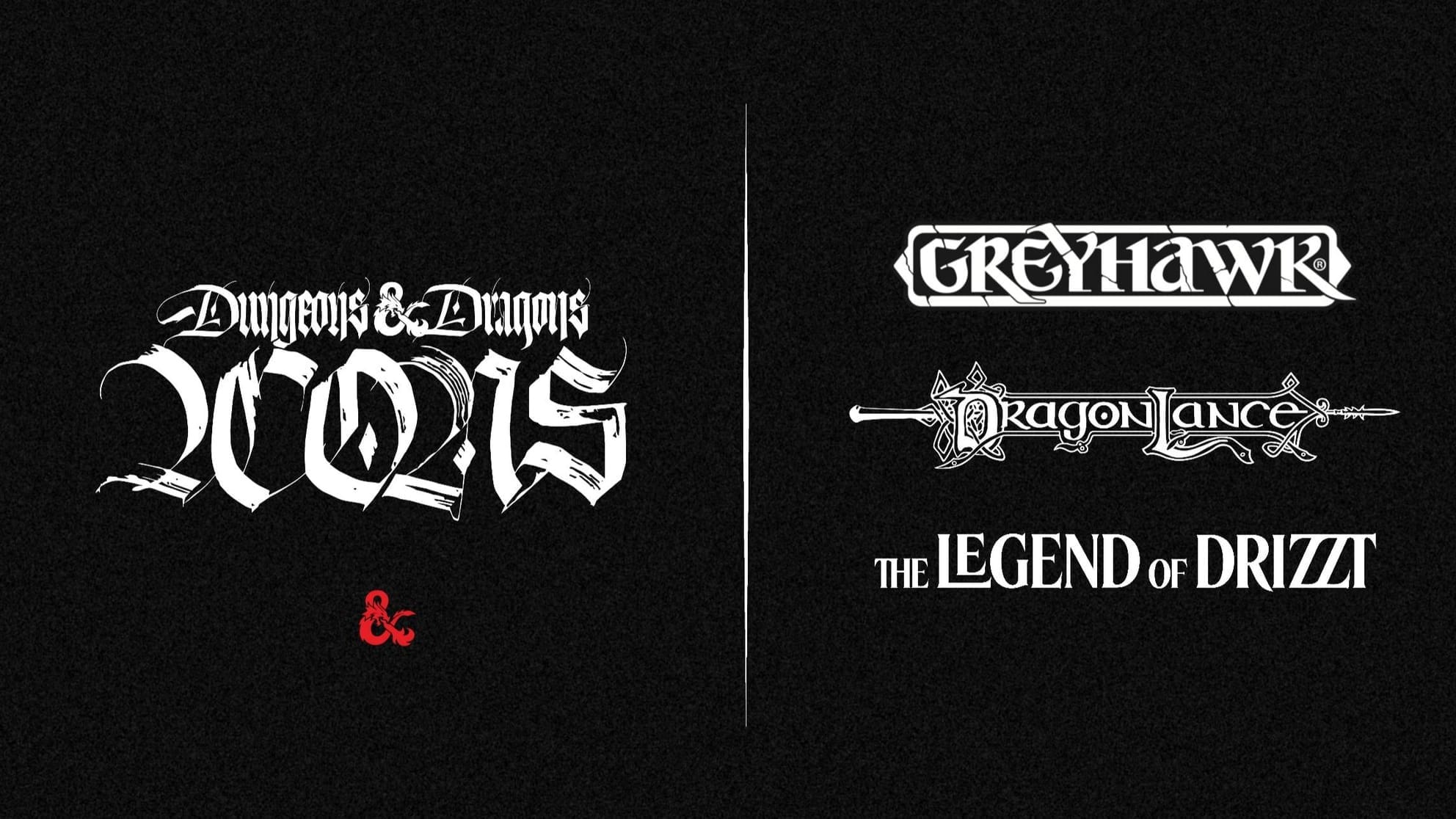
Joe Manganiello’s explanation of D&D Icons, a new imprint that will visit less-explored settings such as Dragonlance and Greyhawk, lended this Great Return a mythological bent. He described Luke Gygax, Tracy Hickman, and R. A. Salvatore as “the Mount Rushmore of D&D” twice as the writers and designers were paraded on stage to talk about their upcoming projects (without Dragonlance co-creator Margaret Weis in attendance, Manganiello’s metaphorical monument mirrored the real one’s exclusive demographics). Manganiello will lead D&D Icons as its chief creative officer, claiming that “we've all assembled here, in the end, where it all started to reignite and carry the torch that is D&D's heart and spirit forward into the future.” He, too, wanted the audience to believe that his project will help lead D&D out of some unnamed darkness and back to the righteous path.
Don’t get me wrong: much of WotC plans qua playable material sound interesting, even exciting. Icons’ projects lineup (which includes a setting based on Manganiello’s Death Saves streetwear brand) will sound like sweet music to the ears of longtime players who might be chafing under Faerûn’s broad fantasy pastiche. Like the addition of third party designers, Icons is an additive extension to D&D’s emanations such that the RPG can mean more than one thing at any given moment. Here, at least, “D&D is for everyone” sheds some of its commercial cynicism.
D&D Beyond’s new infrastructure was the most realistic application of Ayoub’s mission to bring players back to the table — or, at least, their desk. Looking for group tools, listings of events and nearby local game stores, and a partnership with StartPlaying.games to advertise paid GM services sound like meaningful additions to the internet version of D&D. With the exception of a dubiously helpful app planned for 2027, D&D Beyond’s portion of the keynote stood out due to a comparative lack of hype and salesmanship. It seems the place where WotC best understands what the RPG needs and how it might realize it.
But all of the upcoming books and digital features exist within a real context that was conspicuously missing from the nearly 60 minutes of vision keynote. Instead of po-faced practicality, D&D’s future was expressed best through Manganiello’s self-aggrandizing anecdote about transcending the 1980s Satanic Panic: “We're now the generation in control of music and entertainment and art, and guess what? We can do what we want. And we want to play Dungeons & Dragons!” Unfortunately, the vision of what WotC wants from its flagship game has rarely been less clear.